
Miski’s deadly clash exposes deeper fractures in Tibesti’s fragile peace
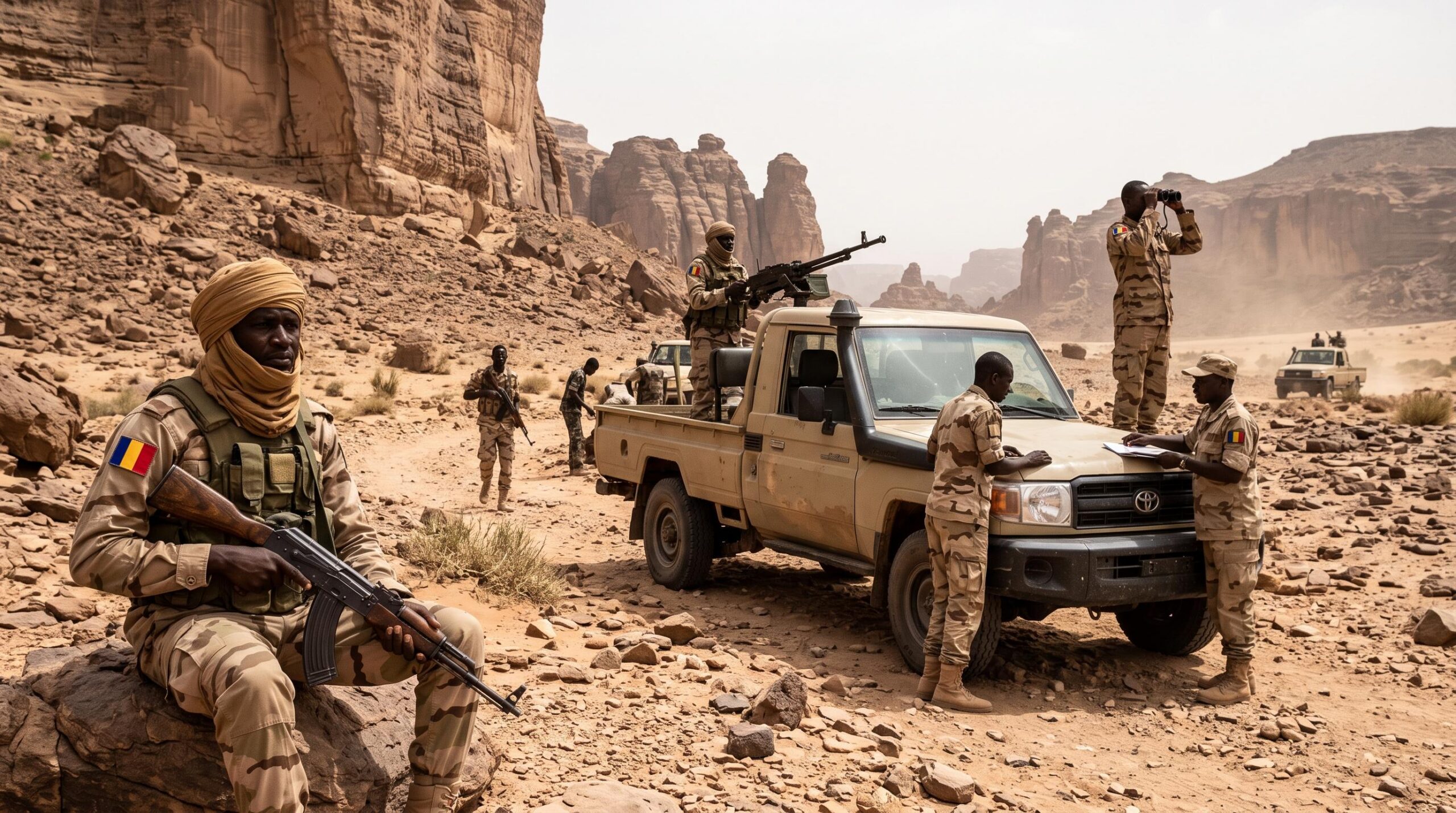
The Tibesti region in northern Chad stands at a crossroads. A recent gunfight in the mining zone of Awa on October 14, 2026, has left two officers dead and nine security personnel wounded. The incident—officially attributed to clashes between the Mining Brigade and a local self-defense committee—has reignited long-standing tensions over control of the region’s lucrative gold deposits.
But this wasn’t just another skirmish. The timing suggests a deliberate escalation: the violence erupted just hours after local leaders accused the Mining Brigade of heavy weapons fire on October 13, calling the act a direct breach of the ceasefire. With no independent investigation yet available, both sides remain locked in a war of narratives—each accusing the other of violating peace agreements signed in April 2025 and reaffirmed in October 2026.
What ignited the latest violence in Chad’s Tibesti?
The confrontation in Miski didn’t emerge in a vacuum. Reports indicate that tensions had been simmering for days, fueled by competing claims over mineral rights and the heavy-handed presence of military units in civilian areas. The Mining Brigade insists the attack was unprovoked, demanding the immediate disarmament of the self-defense committee. The committee, however, frames its actions as defense against illegal resource extraction and military overreach.
Key questions remain unanswered: Was this a premeditated show of force, or a spontaneous reaction to perceived aggression? Without access to on-the-ground verification, the truth remains obscured behind official statements and partisan accounts.
Is Chad’s fragile peace deal for Tibesti about to collapse?
The April 2025 peace accord, hailed as a breakthrough after years of rebellion in the Tibesti, is now under threat. Both the government-backed Mining Brigade and the local self-defense forces claim the other has violated the terms. The committee points to repeated government incursions and resource exploitation as violations, while military leadership accuses armed groups of sabotaging stability for economic gain.
The stakes couldn’t be higher. The Tibesti goldfields are not just an economic lifeline for local communities—they represent a critical flashpoint that could destabilize the entire Sahel. With distrust at an all-time high, the risk of further escalation looms large.
Who really controls Miski’s gold mines—and at what cost?
The heart of the conflict lies in the struggle for control over Miski’s gold deposits. The Mining Brigade, deployed to secure the sites, denies allegations of illegal mining or heavy-handed tactics. The local committee, however, alleges systematic exploitation by state-backed forces, arguing that mineral wealth is being siphoned out of the region without benefit to residents.
This economic divide fuels deeper grievances. For communities long marginalized, the goldfields represent both opportunity and exploitation. For the government, they are a strategic asset in a region plagued by instability. But at what point does resource control outweigh peace?
What happens next in Chad’s Tibesti?
The coming days will determine whether dialogue can prevail—or if the region will be dragged back into full-scale conflict. Civilian safety hangs in the balance. With no confirmed reports of civilian casualties or displacement yet, the window for de-escalation remains open—but narrowing fast.
The path forward requires clear, transparent investigations and a commitment from both sides to honor their peace commitments. Without that, the fragile stability of the Tibesti—and the wider Sahel—could crumble under the weight of unchecked ambition and mistrust.