
Bénin’s 2026 growth sparks debate over economic transformation
The Bénin economy recorded a striking 8.2% real GDP growth in early 2026, setting off alarms and applause across West Africa. This milestone isn’t just a statistical triumph—it’s a litmus test for the country’s industrial ambitions and its ability to break free from raw material dependency. As global markets tighten and commodity prices swing unpredictably, Bénin’s government faces a critical question: Can rapid growth translate into lasting industrial sovereignty?
From farm gates to factory floors: A strategic pivot
This growth surge follows a deliberate pivot away from exporting raw cotton and cashews toward onshore processing and higher-value manufacturing. The government’s push for local transformation aims to capture more economic value within national borders—turning bales of cotton into textiles, groundnuts into packaged goods, and tomatoes into processed foods before they leave the country.
Such a shift doesn’t happen overnight. It requires coordinated investments, policy support, and a bold reimagining of Bénin’s economic identity. Success would mean stronger job creation, higher household incomes, and greater resilience to global price shocks. But failure could leave the nation stuck in the same cycle of low-value exports, vulnerable to every price dip in Shanghai or Brussels.
The GDIZ initiative: A test case for industrial transformation
The Glo-Djigbé Industrial Zone (GDIZ) stands at the heart of this transformation strategy. This massive industrial enclave is designed to serve as Bénin’s manufacturing gateway, attracting both domestic and foreign investors to set up factories that convert local agricultural output into finished goods.
Central to GDIZ’s vision is the development of integrated value chains around cotton—a crop central to Bénin’s economy. Instead of shipping raw cotton overseas, GDIZ aims to produce yarn, fabrics, and ready-made clothing right on site. This approach could reduce export costs, boost local employment, and increase foreign exchange earnings through finished goods rather than raw materials.
Exporting more than raw goods: The trade ambition
Bénin’s leaders are eyeing lucrative markets in Europe, China, and the United States as primary destinations for its new wave of manufactured goods. These regions demand high-quality, compliant products—standards that Bénin is now racing to meet through improved infrastructure, workforce training, and quality control systems.
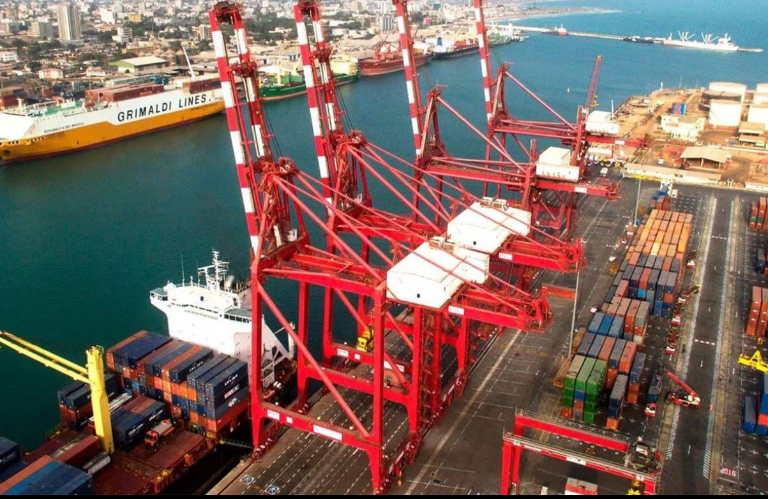
To succeed, Bénin must overcome significant hurdles: outdated ports, unreliable electricity, and limited cold-chain logistics. Yet without these upgrades, even the most innovative factories will struggle to compete globally. The government has pledged billions in infrastructure upgrades, but the real test is execution—turning blueprints into operational reality.
Labor and skills: Building the workforce of tomorrow
One of the most pressing challenges lies in human capital. While factory jobs are rising, many workers lack the technical skills needed for modern manufacturing. Vocational training centers and partnerships with international firms are being rolled out to bridge this gap. The goal? To ensure that Bénin’s youth aren’t just spectators but active participants in the industrial revolution.
Apprenticeship programs and industry-led training initiatives are being expanded across key sectors. These efforts aim not only to fill immediate labor needs but to create long-term pathways for career advancement within the industrial ecosystem. If successful, they could transform youth unemployment from a crisis into an engine of productivity.
Shadows over the boom: Risks on the horizon
Despite the optimism, multiple risks threaten Bénin’s upward trajectory. Global commodity markets remain volatile, with cotton and cashew prices subject to sudden fluctuations. Any sustained drop could crimp export revenues and slow industrial investment.
Regional instability and climate change also loom large. Flooding, droughts, and border tensions could disrupt supply chains and dampen investor confidence. The FMI has warned that without diversified revenue streams, Bénin’s growth could falter if one sector underperforms.
Sustainability isn’t just about numbers—it’s about durability. Bénin’s leaders must diversify beyond cotton, invest in renewable energy, and build adaptive institutions capable of weathering external shocks.
The sovereignty equation: Owning the value chain
The ultimate prize is economic sovereignty—controlling the entire value chain from raw material to finished product. This means owning the brands, setting the prices, and keeping profits within the country. It’s a long-term play, but one with transformative potential.
Bénin’s 8.2% growth is more than a headline—it’s a gateway to a new economic model. Whether it leads to lasting prosperity depends on whether the country can convert temporary growth into permanent industrial capacity, competitive exports, and inclusive prosperity for all citizens.
What’s next for Bénin’s industrial dream?
The coming years will reveal whether Bénin’s industrial leap is a sustainable leapfrog or a fragile moment. Success hinges on three pillars: robust infrastructure, a skilled workforce, and a stable policy environment. Without all three, even the strongest growth figures will ring hollow.
For now, the world is watching. If Bénin can turn its 8.2% growth into a foundation for industrial self-sufficiency, it could become a model for other African nations seeking to break free from raw material dependence. But if the momentum fades or the challenges overwhelm, the dream of industrial transformation may remain just that—a dream.