
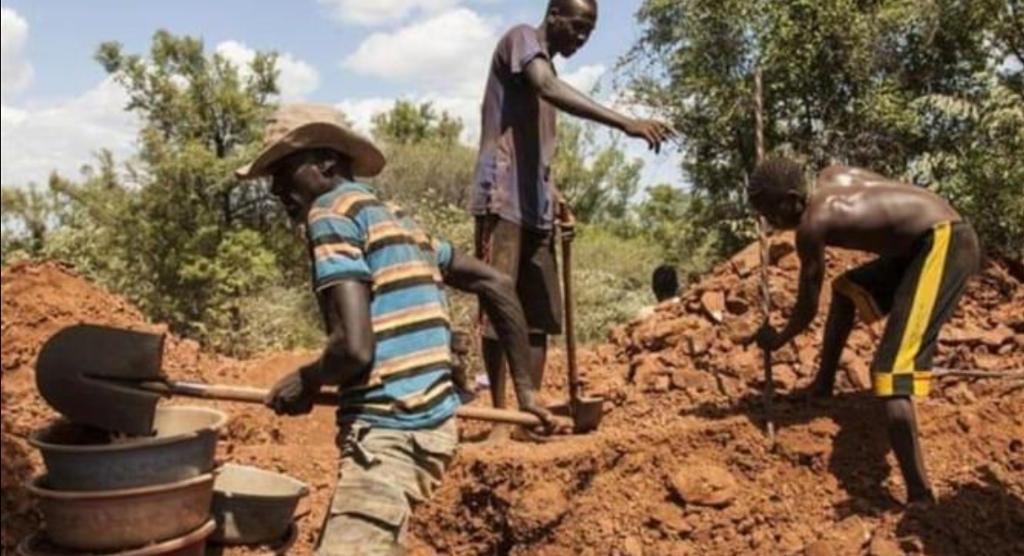
Escaping poverty and terrorism, thousands of Burkinabè miners crossed into Guinea to work in artisanal gold mines. Now, after forced expulsions, they are returning to a country still grappling with insurgency, displacement, and economic hardship. What awaits them now that their fragile lifeline has vanished?
From flight to forced return: the broken cycle of survival
For many Burkinabè miners, the journey to Guinea was not about ambition—it was survival. The escalating violence in their home regions had destroyed livelihoods, displaced communities, and left families with no income. In Guinea’s gold-rich regions like Siguiri, they found temporary refuge. Despite harsh conditions and low wages, artisanal mining offered a way to send money home and support loved ones.
But this lifeline was severed abruptly. Authorities in Guinea launched sweeping deportations of foreign miners operating outside regulatory frameworks. While the crackdown aligns with national mining policies, it has left thousands of Burkinabè miners stranded—without income, without shelter, and with no clear path forward.
What future awaits in a country still at war?
The return to Burkina Faso does not signal safety or stability. Many returnees come from regions still under siege by armed groups. Their villages may be inaccessible, homes destroyed, and farmlands abandoned. Those who cannot return face overcrowded displacement camps where access to food, healthcare, and jobs is severely limited.
Even in cities, the situation is dire. The arrival of displaced families has stretched already fragile social services to the breaking point. With no savings and no job prospects, returning miners risk joining the growing ranks of Burkina Faso’s most vulnerable—where desperation can have dangerous consequences.
The recruitment risk: a ticking time bomb?
Poverty alone does not cause extremism—but it creates vulnerability. Armed groups active in the Sahel are known to exploit economic desperation. They offer money, protection, and a twisted sense of belonging. A young man with no income, no home, and no hope becomes a prime target. While not all will turn to violence, the risk is real—and so is the potential for a new wave of recruitment.
Without immediate support, these returnees could shift from being victims of conflict to potential pawns in it. Their return, meant to offer safety, could instead deepen the crisis.
Can support systems save them from collapse?
Burkina Faso’s government faces a moment of reckoning. A coordinated response is needed—not just to process arrivals, but to rebuild lives. That means identifying returnees, assessing their situations, and providing targeted aid. Food assistance, short-term cash programs, vocational training, and microfinance could help miners restart their lives in safer zones.
Partnerships with local authorities, humanitarian groups, and development partners are essential. But more than aid, this calls for a shift in mindset: treating returnees not as burdens, but as assets in rebuilding a nation.
Diplomatic efforts must continue with Guinea to ensure that expulsions are conducted humanely and with respect for migrant rights. Bilateral talks should address both migration policies and the humanitarian fallout of forced returns.
A turning point for Burkina Faso’s most vulnerable
This crisis is not just about borders or mining laws—it’s about human dignity. Thousands of Burkinabè miners left home seeking survival. They were expelled from Guinea and now face an impossible choice: return to danger, or stay in limbo. Neither option offers a future.
The real question isn’t whether they should return—it’s what Burkina Faso will do to ensure they don’t fall through the cracks. Failing to act risks turning exclusion into radicalization. But with the right support, their return could mark the beginning of recovery—not another descent into chaos.