
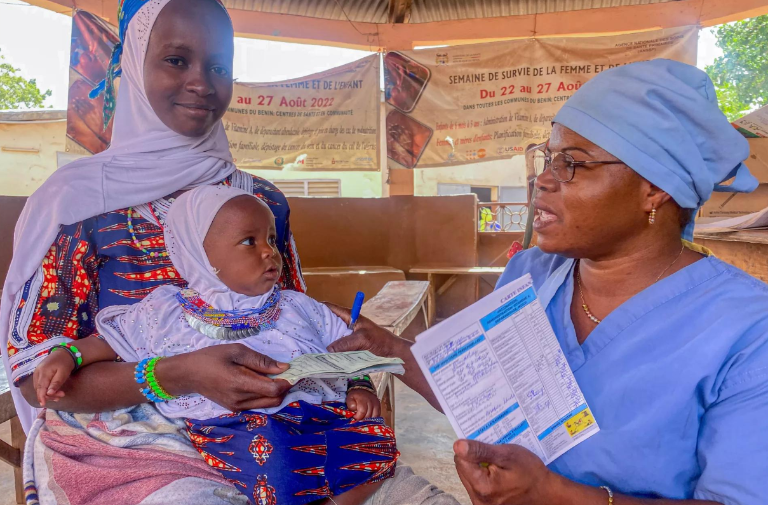
Benin is making a bold move to strengthen its healthcare system by requiring 15,398 foreign-trained health professionals to undergo mandatory skill assessments. This decision, announced following the Council of Ministers meeting on November 4, 2026, targets doctors, pharmacists, nurses, and midwives who earned degrees from unaccredited foreign institutions. With nearly 67% of the 22,972 identified professionals impacted, the government aims to safeguard patient safety, uphold medical standards, and restore public trust in the healthcare system.
Why Benin is mandating skills verification for foreign-trained health workers
The rise in foreign-trained health professionals practicing in Benin has raised concerns about the consistency of care quality. Many of these professionals hold degrees from private institutions abroad that are not recognized by the Beninese state. While their qualifications may be legitimate, the lack of standardized verification leaves room for gaps in essential medical knowledge and practical skills.
To address this, the government has introduced a structured evaluation process designed to validate the competencies of these professionals. This initiative is not merely administrative—it is a critical step toward ensuring that every healthcare worker meets the rigorous standards required to deliver safe, effective care.
Which professionals are affected by the evaluation?
The mandatory assessment targets four key professions that form the backbone of Benin’s healthcare system:
- General medicine doctors – Responsible for diagnosis, treatment, and patient management.
- Pharmacists – Ensuring accurate medication dispensing and patient counseling.
- Nurses (general option) – Providing essential nursing care and supporting physicians.
- Midwives – Critical for maternal and child health, including prenatal and postnatal care.
These professionals play a direct role in patient outcomes, making their competence a top priority for public health officials.
The stakes: bridging gaps in medical expertise for patient safety
Healthcare errors can have devastating consequences, from misdiagnoses to incorrect prescriptions. By requiring these professionals to prove their proficiency, Benin is taking a proactive stance against preventable medical risks. The evaluation will assess both theoretical knowledge and practical skills, ensuring that professionals can apply their training in real-world clinical settings.
Moreover, this initiative aligns with a broader effort to harmonize healthcare standards across Benin. Regardless of where a professional trained, they must meet the same competency benchmarks to practice in the country—strengthening the overall quality of care.
A structured pathway to certification and beyond
To prepare for the assessments, the government has developed a structured training and evaluation program. This includes:
- A clear curriculum outlining the competencies to be tested.
- Defined success criteria and scoring systems.
- Guidelines for the issuance of the Certificate of Professional Competence.
Successful candidates will obtain the certificate, which is a crucial step toward achieving official recognition of their qualifications. However, it’s important to note that this certification does not automatically grant the right to practice—additional regulatory steps will still be required.
Empowering professionals while protecting patients
For the 15,398 professionals involved, this initiative represents an opportunity to formalize their expertise and gain legitimacy in Benin’s healthcare system. Those who pass the evaluation will have a verified credential that attests to their skills, potentially opening doors to career advancement and greater professional autonomy.
At the same time, patients stand to benefit significantly. The evaluation ensures that healthcare providers deliver care that meets national standards, reducing the risk of errors and improving overall treatment outcomes. Whether it’s a routine check-up, a complex diagnosis, or maternal care, patients can have greater confidence in the qualifications of their providers.
Transparency and fairness: the cornerstones of a successful evaluation
With over 15,000 professionals to assess, Benin faces logistical challenges in ensuring a fair and transparent process. Key priorities include:
- Clear communication of evaluation schedules, locations, and criteria.
- Standardized testing conditions to eliminate bias.
- Accessible preparation resources for candidates.
The success of this initiative hinges on its ability to balance rigor with fairness. By creating an equitable system, Benin can reinforce public trust in its healthcare workforce and set a new benchmark for medical competence in the region.
A turning point for Benin’s healthcare system
This evaluation drive is more than a regulatory hurdle—it is a transformative step toward a safer, more reliable healthcare system. By requiring professionals to demonstrate their expertise, Benin is investing in the quality of care, the safety of its citizens, and the long-term credibility of its medical institutions.
The real test will come as professionals take the assessments and the results shape the future of Benin’s healthcare landscape. If executed effectively, this initiative could serve as a model for other nations grappling with similar challenges in medical workforce regulation.