
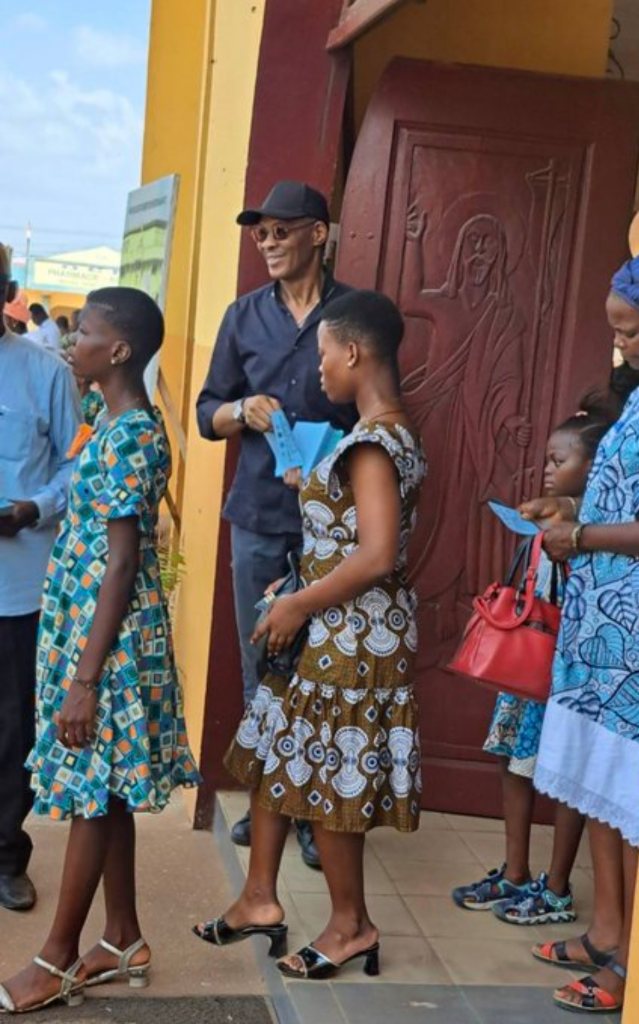
As November 20, 2026, approaches, Togolese opposition figure Nathaniel Olympio is escalating efforts to galvanize public discontent against the government led by President Faure Gnassingbé. The focal points of the campaign—rising living costs, persistent power outages, deepening social injustices, and constitutional controversies—are becoming rallying cries for a growing movement aimed at challenging the current administration’s policies and leadership.
Nathaniel Olympio’s campaign: mobilizing beyond rhetoric
Nathaniel Olympio’s opposition campaign is not limited to public statements. In early November 2026, activists aligned with his movement took to the streets and public spaces, distributing informational materials outside churches and other community hubs. This outreach is part of a broader strategy organized under the banner of the Togo Generation Manifesto, a coalition of civil society groups and political organizations seeking to convert widespread frustration into a unified national protest.
The declared goal is clear: the Patriotic Warning Day on November 20 must serve as a decisive signal to the government, demonstrating the depth of public dissatisfaction and prompting immediate policy changes. The movement’s leaders have framed this day as a critical moment before broader political action planned for early 2027.
The cost of living: when survival becomes a daily struggle
The sharp rise in the cost of essential goods and services has pushed many Togolese households to the brink. For Nathaniel Olympio, the economic crisis is not just an abstract issue—it is a lived reality for families, small business owners, and wage workers whose incomes fail to keep pace with soaring expenses. Staples such as food, fuel, and housing now consume a disproportionate share of household budgets, leaving little room for savings or investment in the future.
Olympio argues that the government has failed to address the root causes of this crisis, prioritizing short-term measures over sustainable economic reforms. The result, he contends, is a widening gap between official policies and the lived experiences of ordinary citizens. The anger over economic hardship has become a unifying force, transcending regional and socioeconomic divides.
Power cuts and governance failure: the silent crisis undermining Togo
Frequent and prolonged electricity outages have become a symbol of systemic governance failures in Togo. The intermittent power supply disrupts daily life, damages small businesses, and erodes confidence in public services. For many, the blackouts are a visible reminder of the government’s inability to provide basic infrastructure and reliable utilities.
The opposition coalition has sharply criticized the management of the Compagnie Énergie Électrique du Togo (CEET), calling for greater transparency and accountability. Their demands include an overhaul of the energy sector to ensure consistent electricity access—a prerequisite, they argue, for economic recovery and social stability. Without such reforms, they warn, the country risks deeper instability and further erosion of public trust.
Social injustices and political impunity at the core of the revolt
Beyond economic grievances, Nathaniel Olympio and his allies are challenging what they describe as systemic injustices within Togo’s political institutions. They accuse the government of marginalizing citizens, suppressing dissent, and failing to uphold the rule of law. Among their key demands are the release of individuals they identify as political prisoners, the safe return of exiles, and a comprehensive review of the country’s governance model.
The opposition’s critique extends to constitutional reforms enacted in 2024, which they argue have concentrated power in the hands of the executive and undermined democratic norms. These changes, they claim, have entrenched the political status quo and stifled opportunities for genuine reform. The movement is calling for a return to a constitutional framework that reflects the will of the people and ensures accountable leadership.
Is Togo heading toward an era of political reckoning?
The convergence of economic hardship, service delivery failures, and institutional distrust has created a volatile social climate. While the November 20 protest is framed as a warning, observers question whether the government will heed the signal. With broader political action planned for 2027, the stakes are high: will this be the beginning of a transformative shift in Togo’s political landscape, or will the movement lose momentum in the face of state resistance?
The answers may lie in the streets on November 20. What is certain is that Nathaniel Olympio and the Togo Generation Manifesto coalition are determined to place Togo’s governance failures under the spotlight—one way or another.
What to expect on November 20: a call for national pause and reflection
The organizers of the protest have called on citizens to halt their daily activities and participate in a nationwide demonstration of discontent. This collective pause is intended not only to register public anger but also to signal readiness for further action. Leaders of the movement have hinted at a potential transition framework to be discussed in early 2027, contingent on the government’s response to the November 20 mobilizations.
The success of the protest will depend on mass participation and the ability of the opposition to sustain momentum. For now, the message is clear: the people of Togo are demanding change—and they are prepared to make their voices heard.