
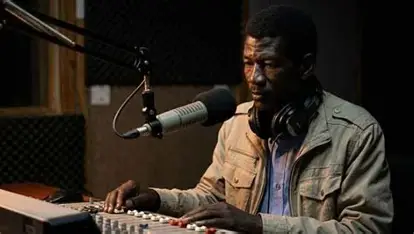
In Niger, the prolonged detention of Moussa Kaka has become a stark symbol of the shrinking space for free expression under military rule. The journalist, a former correspondent for Radio France Internationale and director of Radio Télévision Saraounia, vanished on August 31, 2026, after leaving his media office sparking widespread concern. Official confirmation of his detention on October 6 did little to ease fears; instead, it raised urgent questions about the legality, transparency, and humanitarian conditions surrounding his case.
The unanswered questions behind Kaka’s imprisonment
The government of General Abdourahamane Tiani has framed its actions as necessary for national security and sovereignty. Yet, when a journalist is held incommunicado, the burden of proof lies with the state to justify detention under clear legal grounds. Has Kaka been formally charged? Is he receiving legal counsel? Are his family members informed of his whereabouts? These are not rhetorical questions but prerequisites for any lawful detention.
The silence from authorities only deepens the crisis of credibility. International human rights standards require that detainees be brought before a judge promptly, allowed access to legal representation, and protected from torture or ill-treatment. To date, none of these conditions appear to have been met in Kaka’s case. What, then, is the true purpose of his detention?
Why criticizing authority should never be a crime
Journalists and citizens alike depend on the ability to scrutinize power, expose malpractice, and call for accountability without fear of retribution. The Nigerien press has long played this role, serving as a watchdog for democracy. Now, under a military-led administration, that role is under siege. Reports suggest that criticism especially of governance failures is increasingly treated as subversion, not as a public service.
This shift is dangerous not only for media freedom but for the nation’s long-term stability. A government that equates dissent with treason undermines public trust and stifles constructive reform. How can reforms take root in an environment where speaking the truth risks imprisonment? The fight against corruption cannot succeed if those who expose it are silenced.
Moussa Kaka’s case is not an isolated incident. It reflects a broader pattern: the criminalization of journalistic inquiry, the erosion of judicial independence, and the normalization of arbitrary detention. These trends, if left unchecked, could erode Niger’s democratic fabric entirely.
Can sovereignty justify the suppression of freedoms?
Leaders in Niamey often cite national sovereignty and security as justification for their actions. Yet sovereignty is not immunity from scrutiny. It is the responsibility to govern with integrity, transparency, and respect for fundamental rights. A state that detains citizens without due process weakens its own legitimacy.
The international community has repeatedly warned against conflating security with repression. Genuine security is built on justice, not fear. It is strengthened by open debate, not silence. The detention of journalists like Kaka sends a chilling message: that the state fears its people more than it protects them.
Niger’s future depends on whether it chooses confrontation or conciliation. Will it continue down a path of suspicion and isolation? Or will it honor its international obligations and restore public confidence in its institutions?
A call for justice, transparency, and immediate action
The Nigerian authorities must act decisively. They must disclose the legal basis for Kaka’s detention without delay, ensure he is granted full access to legal defense, and allow independent judicial oversight. If no valid charges are presented, he must be released unconditionally. There can be no justice without accountability and no sovereignty without respect for human dignity.
Freedom of expression is not a privilege granted by rulers; it is a right inherent to every citizen. No government, however powerful, has the moral or legal authority to suspend it at will. The people of Niger deserve better. The world is watching.
By Yvette Tchuente — Journalist