
Côte d’Ivoire faces a critical decision on FBI collaboration against cybercrime
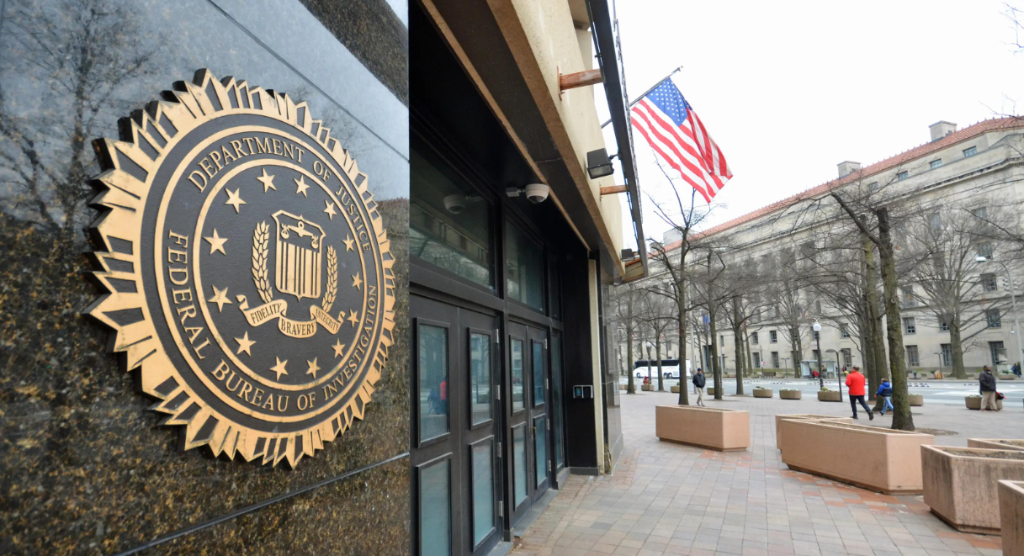
The recent deployment of Federal Bureau of Investigation (FBI) agents within Abidjan’s Economic and Financial Crime Court has ignited a heated national debate. While some view this cooperation as a necessary ally in the fight against rising digital extortion and money laundering, others question whether it compromises Côte d’Ivoire’s judicial sovereignty. Justice Minister Jean Sansan Kambilé has stepped forward to clarify the situation, emphasizing that this partnership is strictly focused on dismantling transnational cybercrime networks operating from within the country.
Sextortion rings: The core reason behind the FBI’s presence in Abidjan
The primary catalyst for this collaboration is the alarming proliferation of sextortion—a form of cybercrime where criminals extort victims by threatening to expose their private, intimate content unless they pay. In many cases, perpetrators create fake profiles on social media, groom victims over time, and demand payment under duress. The consequences for victims, particularly those abroad, have been devastating, with reports of psychological trauma and even suicide.
Justice Minister Kambilé confirmed that several American victims were targeted by networks based in Côte d’Ivoire. In response, the U.S. authorities initiated this collaborative effort with their Ivorian counterparts to identify, apprehend, and prosecute these offenders. So far, this cooperation has led to the arrest and prosecution of nearly a dozen suspects, with some cases still pending.
How the joint task force operates within Côte d’Ivoire’s legal framework
To streamline this fight against cybercrime, a dedicated joint task force was established, comprising magistrates from the Economic and Financial Crime Court, Ivorian investigators, American prosecutors, and FBI agents. This team works in tandem to investigate sextortion networks, trace financial flows linked to money laundering, and ensure that offenders face justice.
Government officials highlight that this collaboration has not only yielded tangible results—such as arrests and convictions—but has also contributed to Côte d’Ivoire’s removal from the Financial Action Task Force (FATF) grey list. However, the structure and legal boundaries of this task force remain a subject of scrutiny and public concern.
Addressing corruption allegations and clarifying the FBI’s role
Recent media reports had suggested a scandal involving corruption within the Economic and Financial Crime Court, alleging that the FBI was involved in a domestic investigation. Justice Minister Kambilé swiftly dismissed these claims, stating that the FBI’s role is exclusively tied to combating cybercrime. He emphasized that no foreign agency had initiated a corruption case against Ivorian officials and that the Gendarmerie’s investigations were entirely independent of the FBI’s involvement.
The government categorically denied any accusations of wrongdoing, framing the FBI’s presence as a purely technical and investigative support mechanism. However, the controversy has underscored a broader debate: How can Côte d’Ivoire strengthen its cybersecurity partnerships without compromising its judicial independence?
Judicial sovereignty under scrutiny: What powers do FBI agents hold in Côte d’Ivoire?
A key concern is the extent of the FBI’s authority within a sovereign Ivorian judicial institution. While international cooperation is essential for tackling cross-border crimes like sextortion and money laundering, the question remains: Do foreign agents have any legal jurisdiction within Côte d’Ivoire’s courts? The government has yet to provide detailed legal documentation outlining the exact scope of the FBI’s involvement, leaving many to question the transparency and accountability of this partnership.
The debate extends beyond the physical presence of foreign agents. It touches on deeper issues of trust, capacity-building, and Africa’s role in global cybersecurity efforts. For Côte d’Ivoire, striking the right balance between leveraging international expertise and protecting national sovereignty is no small feat.
The way forward: Balancing crime-fighting with judicial integrity
As Côte d’Ivoire grapples with this controversial collaboration, the government faces a delicate balancing act. On one hand, the FBI’s expertise in tracking cybercriminals has proven invaluable in dismantling sextortion networks and recovering illicit funds. On the other, the lack of clear legal frameworks governing this cooperation fuels skepticism and undermines public confidence in the judicial system.
The path forward will require robust legislative oversight, transparent communication, and perhaps even a formalized agreement outlining the terms of this partnership. Until then, the question persists: Is this collaboration a strategic necessity or a risk that Côte d’Ivoire cannot afford to take?