
Mali’s Reform Dip: A Strategic Dilemma for Regional Investors
Mali’s community reform execution rate plummeted from 80.06% in 2024 to 75.52% in 2025—a 4.54-point slide that is reshaping the calculus of regional investors. This dip is more than a statistical blip; it signals potential cracks in the country’s institutional credibility and its ability to sustain investor confidence within the West African Economic and Monetary Union (UEMOA) financial ecosystem.
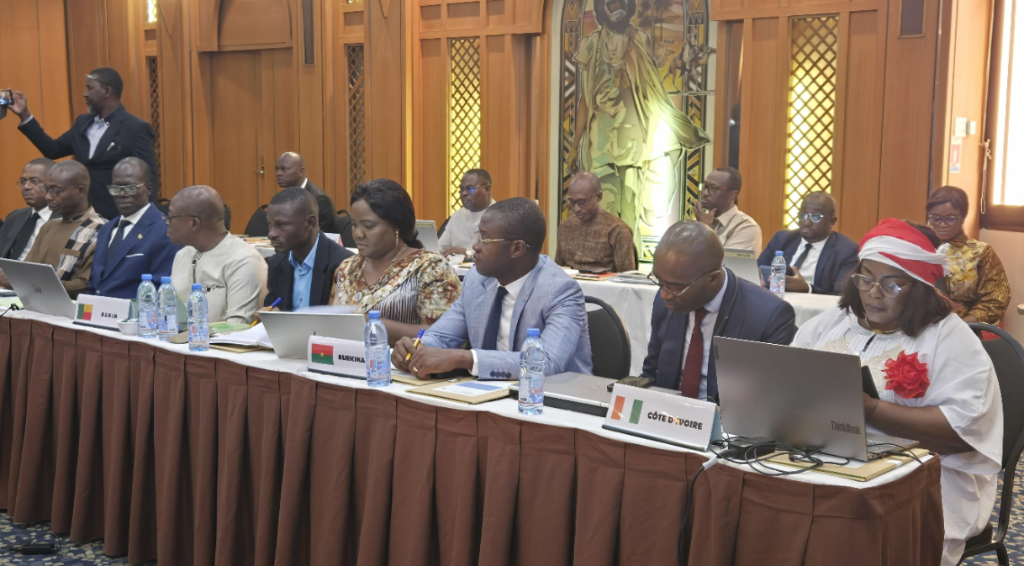
The figure emerged during the twelfth annual review of UEMOA community reforms, held in Bamako’s Azalaï Hotel on November 4, 2026. While not a direct indicator of debt solvency, the decline raises critical questions about Mali’s long-term economic stability and its capacity to honor financial commitments in a region where trust is a currency as valuable as the West African CFA franc.
What’s Behind the Decline in Reform Performance?
The erosion in reform momentum is rooted in a convergence of institutional, administrative, and economic pressures:
- Institutional Realignment: The establishment of the Alliance of Sahel States (AES) has altered regional dynamics, complicating policy coordination and the execution of shared commitments within UEMOA. While not the sole cause, this shift has introduced friction in dialogue and alignment between Malian authorities and regional bodies.
- Administrative Bottlenecks: Effective reform requires robust regulatory adoption, skilled human resources, and seamless inter-ministerial coordination. Delays in policy implementation and bureaucratic inefficiencies have directly slowed progress.
- Security and Budget Priorities: With defense and security expenditures taking precedence, the state’s fiscal flexibility to fund structural reforms has been constrained. This has left fewer resources for education, infrastructure, and social development—key pillars of long-term reform sustainability.
While AES-UEMOA tensions are a contributing factor, they do not fully explain the 4.54-point drop. A full diagnosis requires a granular review of individual reform initiatives and their implementation status.
How Reforms Influence Mali’s Ability to Raise Funds
Mali’s access to capital in the UEMOA market is heavily reliant on the issuance of sovereign bonds and Treasury bills. These instruments are not just financial tools—they are instruments of trust. Investors evaluate more than yield; they scrutinize governance quality, policy predictability, and the government’s track record in honoring commitments.
As Mali’s reform execution weakens, so too does the perception of its economic stability. A sustained decline could lead to higher risk premiums, forcing the government to offer elevated yields to attract buyers. This would increase the cost of financing public debt—a burden that could crowd out spending on critical social and infrastructure programs.
It’s important to note: the 4.54-point drop does not automatically equate to market rejection. Other factors—including liquidity conditions, regional monetary policy, and investor demand across UEMOA—play a role in determining financing costs.
What’s at Stake for Mali’s Public Debt in 2026?
With plans to raise 1.45 trillion West African CFA francs in 2026—up from 1.193 trillion in 2025—Mali is increasingly dependent on regional financial markets. But the lower reform score introduces two key risks:
- Higher Yield Requirements: If investors perceive increased risk, they may demand higher returns on new bond issuances, increasing the cost of servicing public debt.
- Under-subscription Risk: A weak reform environment could dampen investor appetite, potentially leading to insufficient demand during bond auctions and straining the national budget.
Banks, which play a central role in underwriting sovereign debt, may also face heightened exposure to Malian sovereign risk—adding pressure on their balance sheets and reducing their capacity to lend to other sectors.
Preserving the Gains of Regional Integration
Despite the challenges, Mali remains firmly embedded in UEMOA’s economic framework—a union that provides a shared currency, integrated market, and a vital source of public financing. The twelfth reform review is not just a checkpoint; it is a strategic moment to recalibrate priorities, strengthen inter-ministerial coordination, and accelerate the implementation of stalled reforms.
Trust in the regional financial system is not built overnight. It is forged through consistent transparency, predictable economic policies, and a demonstrated willingness to meet community obligations. The 4.54-point decline is not yet a market verdict—but it is a warning signal that policymakers cannot afford to ignore.