
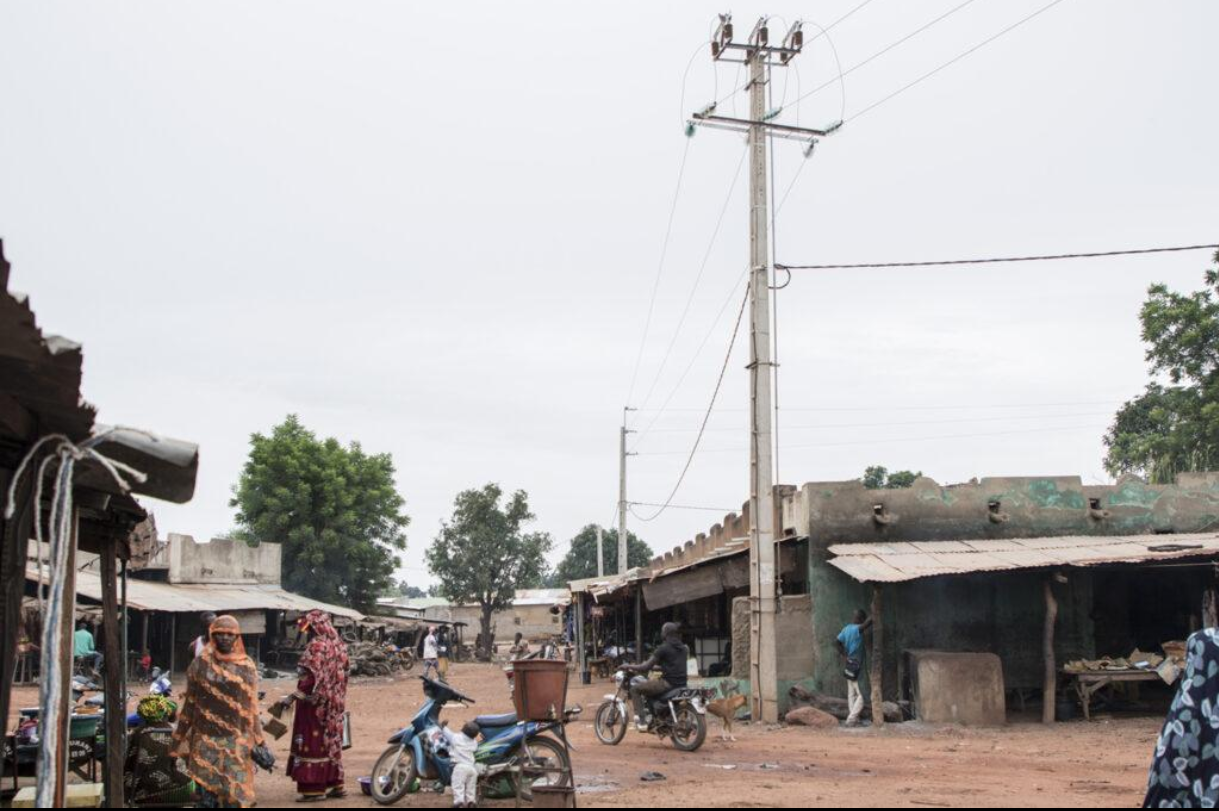
As Mali navigates its post-CEDEAO landscape, one critical question looms large: can its energy infrastructure expansion maintain its course despite regional political fractures? The answer, surprisingly, may lie in the very projects the country left behind when it withdrew from the regional bloc. Among them, a flagship electrification initiative continues to energize communities across Mali, defying diplomatic rifts to deliver tangible benefits to half a million citizens.
How a regional energy project keeps delivering despite political rifts
Even as Bamako severed its ties with the Economic Community of West African States (CEDEAO), a regional electrification project has refused to stall. Launched in 2019 under the ECOWAS Regional Electricity Access Project (ECOWAS-REAP), this initiative was designed to bridge energy gaps in underserved areas of Mali, Guinea-Bissau, and Gambia. Funded by the World Bank to the tune of $225 million, the program has already connected 490 localities to the grid, bringing reliable electricity to nearly 500,000 people—a lifeline in a country grappling with economic and security challenges.
The unseen threads holding Mali’s energy ambitions together
While political tensions dominated headlines, the technical cooperation behind this electrification effort has quietly persisted. Representatives from Mali’s national utility company, Énergie du Mali (EDM-SA), recently joined counterparts from Guinea-Bissau and Gambia in Abuja for a steering committee meeting. Their agenda? Reviewing progress, assessing sustainability, and ensuring the long-term viability of the infrastructure built under the project. The presence of Malian officials at the table signals that, despite institutional withdrawal, pragmatic collaboration remains intact.
The $225 million figure represents the World Bank’s total commitment to the project—not the CEDEAO’s sole financial contribution. While the regional body coordinates the initiative, other funding streams keep the momentum alive. This nuance underscores a key reality: the end of a country’s membership in an organization does not automatically terminate its participation in ongoing development programs.
Why Mali can’t afford to pull the plug on electrification
Amidst Mali’s economic headwinds and security volatility, access to electricity has become more than a convenience—it’s a catalyst for progress. Reliable power fuels local businesses, powers essential services like healthcare and education, and stabilizes communities. Oussouby Mary dit Ousmane Diarra, Mali’s national director of Energy, has emphasized the project’s transformative impact on citizens’ lives. However, he has also flagged operational hurdles—including security constraints and contractual delays—that threaten to slow progress. A 30-month extension has been proposed to the World Bank, a request that highlights the enduring need for these energy solutions, regardless of political alliances.
The bigger picture: can development outlast diplomatic disputes?
The Malian case offers a rare glimpse into whether West African cooperation can endure beyond political ruptures. The electrification project’s resilience suggests that infrastructure, financial commitments, and population needs often outweigh the fractures in diplomatic relations. For the CEDEAO, the priority now is to ensure these energy assets remain operational and sustainable. For Mali, the focus is clear: continue expanding energy access, regardless of its institutional ties to the regional bloc. The message is unambiguous—people’s needs do not pause for geopolitical shifts.
What’s next for Mali’s energy future?
The road ahead is not without challenges. Security risks in certain regions, logistical bottlenecks, and funding constraints could all pose obstacles. Yet, the determination to see this project through reflects a broader truth: when development serves the people, politics often takes a backseat. Whether this pragmatic approach can inspire similar resilience in other sectors remains to be seen. One thing is certain—the lights in Mali are staying on, even as the political landscape shifts.