
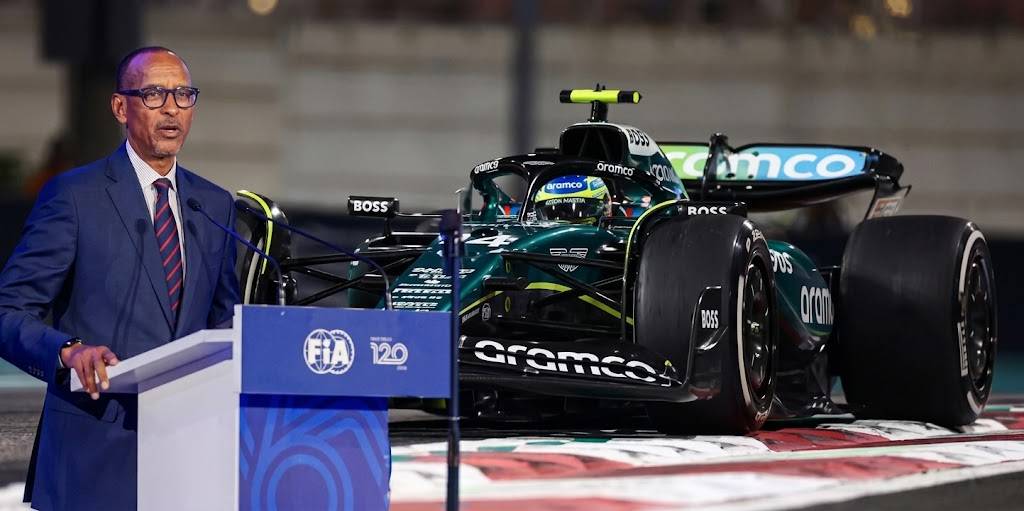
The Formula 1 world is on the brink of a historic return to Africa—and Rwanda is leading the charge. After a 30-year absence from the continent, the sport’s governing body has inked a decade-long deal with Kigali to host the African Grand Prix at a brand-new circuit in Bugesera by the early 2030s. This isn’t just a race; it’s a strategic gamble with far-reaching implications for Rwanda’s economy, global standing, and Africa’s sporting landscape.
Why the Bugesera circuit could be a game-changer for African motorsport
The absence of Formula 1 on the continent since South Africa’s last race in 1993 has left a void—and Rwanda is positioning itself to fill it. The ten-year agreement, unveiled in Kigali with key figures including President Paul Kagame, F1 CEO Stefano Domenicali, and FIA President Mohammed Ben Sulayem, signals a bold step toward revitalizing motorsport in Africa. For a region eager to carve out a bigger role in global sports, this deal could redefine what’s possible.
The Bugesera circuit, situated 40 kilometers south of Kigali near the under-construction international airport, is designed to meet Formula 1’s exacting standards. Its layout will leverage Rwanda’s dramatic topography—rolling hills and varied elevation—to create a track unlike any other. The project is helmed by Wurz Design (led by former F1 driver Alex Wurz) and Tilke Engineers and Architects, the firm behind iconic circuits worldwide.
Beyond the checkered flag: a multi-purpose venue for Africa’s future
While the Grand Prix will be the crown jewel, the Bugesera site is envisioned as a year-round hub for more than just racing. Organizers plan to host motorsport events, concerts, international conferences, and trade shows, ensuring the venue remains a vibrant economic engine. The goal? To avoid the boom-and-bust cycle of one-off events and instead create sustainable growth for Rwanda’s economy.
The timing of the first race remains uncertain, hinging on infrastructure completion and logistical readiness. But the agreement is signed, the vision is set—and now, the real work begins.
How Rwanda’s F1 push could transform its economy and global image
For Kigali, the Formula 1 deal is more than a sporting milestone; it’s a cornerstone of a broader strategy to boost tourism, attract investment, and create jobs. The influx of spectators, teams, and sponsors could revitalize sectors like hospitality, transport, security, and event management, while the proximity to the new airport ensures seamless access for international visitors.
Rwanda has already made waves with high-profile events like the 2025 UCI Road World Championships and major football and basketball tournaments. Adding Formula 1 to the mix would further cement its reputation as a go-to destination for global gatherings, amplified by its Visit Rwanda tourism brand.
With over 100 million F1 fans across Africa, the championship sees this as an opportunity to deepen its connection with a young, engaged audience. But the real test will be whether Rwanda can translate this visibility into tangible benefits for its people—through skills training, entrepreneurship, and opportunities in automotive engineering.
Key challenges on the road ahead
- Infrastructure readiness: The circuit’s completion must align with the new airport’s timeline to ensure smooth operations.
- Local economic impact: Will the influx of visitors create lasting jobs, or will benefits be concentrated in short-term sectors?
- Sustainability: Can the venue maintain year-round activity without over-reliance on major events?
- Skill development: Will Rwanda’s workforce be equipped to meet the demands of a high-tech sporting and hospitality sector?
What’s next for Rwanda and African motorsport?
The Bugesera circuit could be the spark Africa needs to reignite its motorsport ambitions. If executed well, it might not only bring Formula 1 back to the continent but also inspire other nations to invest in racing infrastructure. For Rwanda, the stakes are high—but so are the potential rewards.
The question now is simple: Can this high-speed gamble accelerate Rwanda’s transformation into a global sporting and economic powerhouse by 2030?