
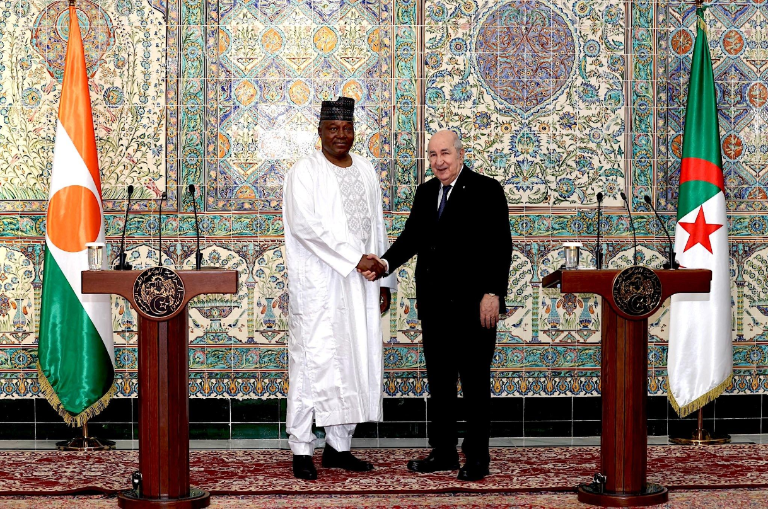
Why Niamey summoned the EU envoy over Algeria troop deployment
The diplomatic standoff between Niger and the European Union erupted last week after Brussels raised questions about the presence of Algerian military personnel on Nigerien soil. The debate now centers on a critical question: Does the EU overstep its bounds when expressing concerns about sovereign military alliances?
What triggered the diplomatic confrontation?
The controversy began when the European Union’s spokesperson commented on the reported deployment of Algerian troops in Niger, seeking clarity on its purpose, legal framework, and regional implications. Niamey’s transitional authorities responded by summoning the EU’s chargé d’affaires, calling the remarks “condescending and unacceptable.”
The Nigerien government emphasized that while it welcomes legitimate security partnerships, including those with Algeria, it rejects any external questioning of its sovereign decisions. The move has reignited a long-standing debate: Where exactly does the line between diplomatic inquiry and intervention lie?
Sovereignty vs. transparency: Where does the law stand?
Niger and Algeria, as sovereign nations, are fully entitled to forge bilateral military agreements without requiring external approval. International law, particularly the UN Charter’s Article 2(7), protects states from foreign interference in their domestic affairs. However, this protection does not extend to silence on geopolitical developments that may affect regional stability.
The EU’s request for details on the deployment—its objectives, duration, and command structure—does not constitute an infringement. Rather, it reflects a legitimate interest in understanding how such movements could impact broader security dynamics in the Sahel. Querying a sovereign decision is not the same as overriding it.
For an action to qualify as unlawful interference, it must involve coercive measures aimed at dictating another state’s choices. Simply asking questions, even pointed ones, does not meet this threshold.
Why the EU’s concerns are not without merit
The Sahel remains one of the world’s most volatile regions, plagued by cross-border insurgencies, fragile governance, and porous borders. Any military collaboration involving multiple nations—especially one involving Algeria, a regional powerhouse—can have ripple effects far beyond its immediate participants.
The EU, as a key partner to Sahelian states, has a vested interest in regional stability. Its concerns are not rooted in a desire to control Niger’s security policy but in a genuine assessment of risks—including potential escalations that could spill into neighboring countries or undermine existing counterterrorism efforts.
The art of diplomatic communication: tone matters
While Niamey has every right to reject what it perceives as undue scrutiny, the EU must also recognize that its phrasing can fuel tensions. Diplomacy thrives on nuance, not ultimatums. A cautiously worded statement—framed as a request for dialogue rather than a challenge to sovereignty—might have eased the friction.
The Nigerien government’s decision to summon the EU envoy underscores its firm stance on sovereignty. Yet, diplomacy is not a zero-sum game. Both sides can defend their positions without resorting to symbolic gestures that undermine mutual trust. The goal should be clarity, not confrontation.
Where do Niger and the EU go from here?
This episode highlights a fundamental truth in international relations: sovereignty and accountability are not mutually exclusive. Niger retains full authority over its military partnerships, while the EU retains the right to voice its perspectives on developments that could destabilize the region.
The path forward lies in structured dialogue. Niamey can reaffirm its commitment to transparency by sharing details of the Algeria deployment on its own terms. Meanwhile, the EU can frame its concerns in a way that reinforces cooperation rather than confrontation. After all, the strongest alliances are built on mutual respect, not silent acquiescence.
Key takeaways for the Sahel’s security future
- Sovereignty is non-negotiable—but transparency is a strategic asset.
- Regional stability depends on clear communication between partners.
- Diplomatic posturing should never overshadow the fight against shared threats.