
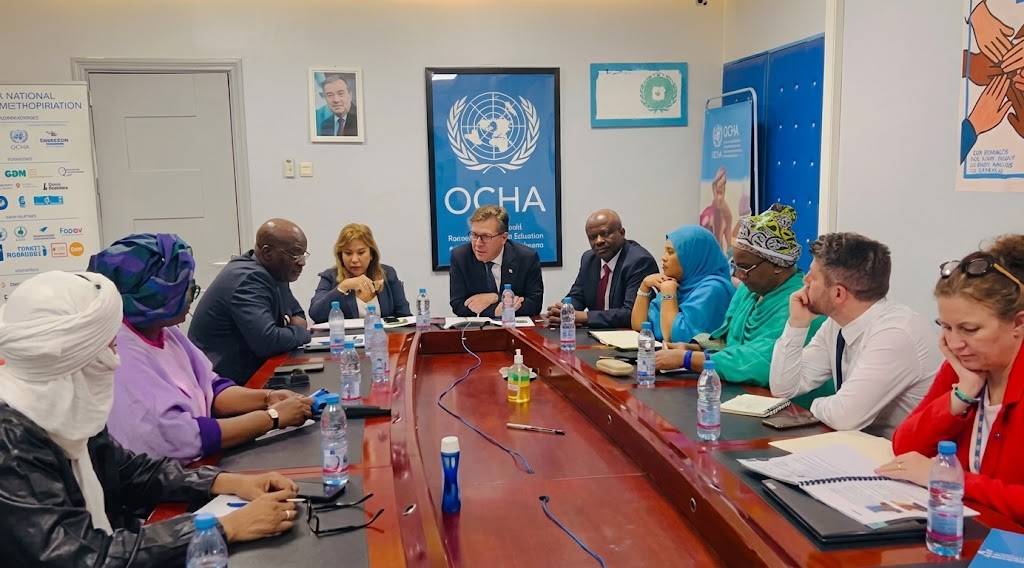
In 2026, Mali faces a stark humanitarian reality: 5.1 million people—nearly a quarter of the population—require urgent assistance. The timing of the United Nations delegation’s arrival in Bamako, led by Under-Secretary-General Tom Fletcher, raises a critical question: Can international aid organizations adapt fast enough to meet this escalating crisis in a country where political shifts are reshaping traditional partnerships?
Why 5.1 million people depend on humanitarian aid in Mali
The UN’s 2026 Humanitarian Response Plan highlights a staggering disparity—5.1 million Malians in need, with 3.8 million prioritized for intervention. These figures aren’t just statistics; they represent families displaced by conflict, communities cut off from healthcare, and rural populations facing severe food shortages.
Access to essential services is collapsing under pressure from insecurity, economic strain, and disrupted supply chains. Clean water, sanitation, and medical care—once taken for granted—are now luxuries for millions. The gap between those identified in need and those receiving help underscores a stark truth: the current response is falling short.
Bamako welcomes the UN—but will sovereignty block progress?
Tom Fletcher’s mission arrives amid a wave of policy changes by Malian authorities restricting international organizations. While the UN delegation’s presence signals a willingness to engage, it doesn’t guarantee a reversal of decisions that have forced NGOs to scale back operations or leave entirely.
This diplomatic tightrope walk pits national sovereignty against urgent humanitarian needs. The Malian government has emphasized self-reliance, but can such an approach coexist with the survival of millions at risk?
What’s at stake for displaced families and local communities
- Food insecurity: Over 1.5 million people face acute hunger, with malnutrition rates climbing in conflict zones.
- Healthcare collapse: Only 42% of health facilities function at full capacity, leaving diseases like cholera and malaria unchecked.
- Child protection risks: Thousands of unaccompanied minors are vulnerable to trafficking and recruitment by armed groups.
Can sovereignty and solidarity coexist in Mali’s crisis?
The UN’s visit isn’t just symbolic—it’s a test of whether cooperation can outpace confrontation. For the Malian government, asserting control over aid flows may be a priority. Yet for the 5.1 million in need, the priority is survival.
Key to resolving this tension will be:
- Transparent dialogue between Bamako and UN agencies to align on operational frameworks.
- Flexible funding mechanisms that empower local responders while respecting national policies.
- Innovative solutions—like mobile health clinics and digital cash transfers—to bypass logistical barriers.
What happens next for Mali’s humanitarian crisis?
The UN’s mission may be a turning point—but time is running out. By 2026, donor fatigue, shifting geopolitical alliances, and ongoing violence could further destabilize aid delivery. The question isn’t whether the international community can adapt—it’s whether it will.
One thing is clear: delay equals disaster. For the 5.1 million Malians caught in the crossfire of politics and poverty, every day without aid is another step closer to catastrophe.