
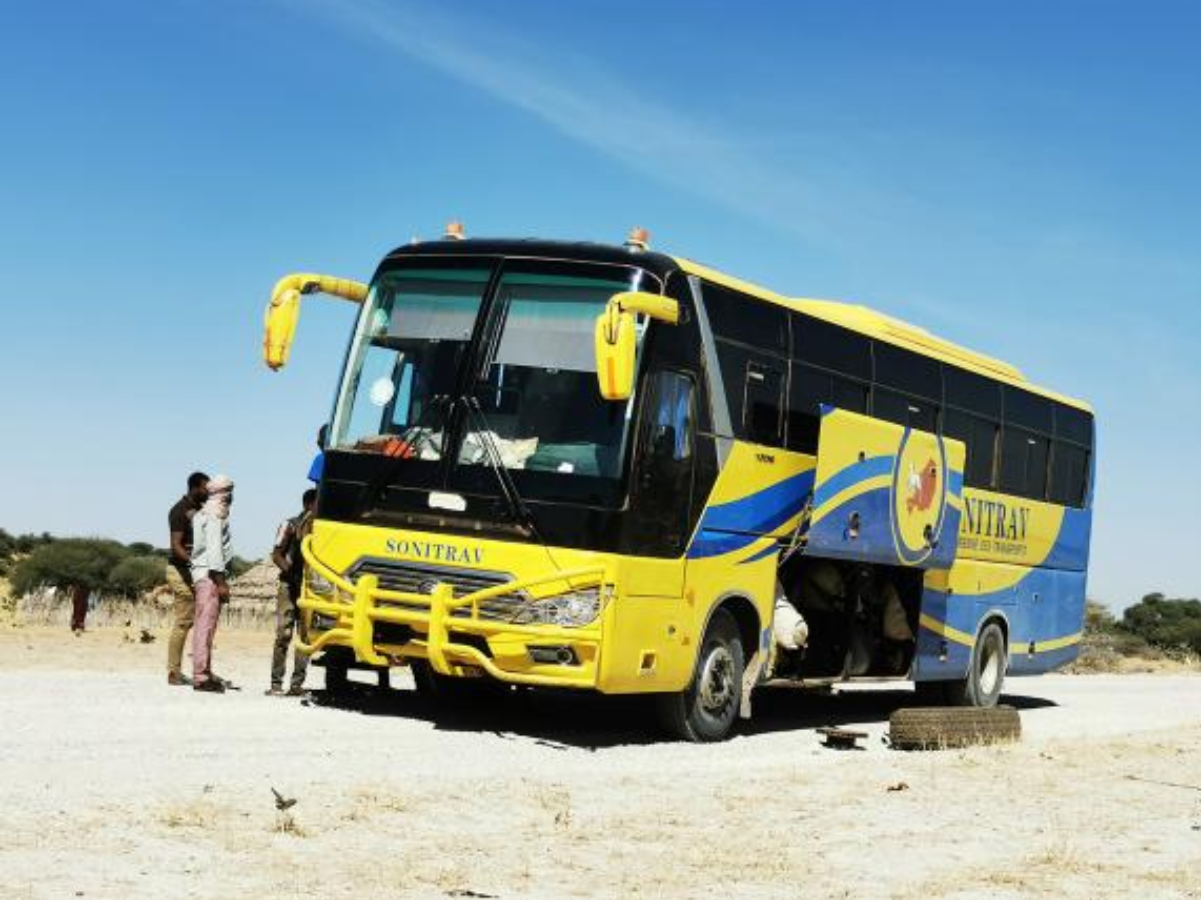
The brutal ambush that shattered Niger’s vital northern artery
On October 20, 2026, a bloodied stretch of the Agadez-Arlit highway became the stage for one of the most violent attacks in Niger’s recent history. Around 35 kilometers from Agadez, three armed vehicles unleashed a hail of gunfire on passenger buses, leaving at least eleven dead—including ten civilians and one member of the Nigerien defense forces—and multiple others gravely wounded. The attack, marked by extreme brutality, has left the nation grappling with urgent questions: Who were the assailants? What drove this assault? And most critically, can this crucial trade route ever regain the semblance of safety for travelers?
Why the Agadez-Arlit highway is the lifeblood of northern Niger
Located in the heart of the Sahara, the Agadez-Arlit road is more than just a transportation corridor—it is the economic spine of northern Niger. Connecting the historic trade hub of Agadez with Arlit, a city central to uranium mining and regional commerce, this route facilitates the movement of goods, services, and people across some of Africa’s most challenging terrain. For local communities, it is a vital link to essential services, family reunions, and economic survival.
Yet, the attack has cast a long shadow over this lifeline. Passengers now face a grim dilemma: risk the journey and potentially become the next target, or forgo travel altogether—with dire consequences for trade, employment, and daily life. The psychological toll is equally severe, as families live in fear of receiving the call no parent or spouse ever wants to hear.
The ripple effects of a single attack
- Transportation paralysis: Bus operators are rethinking routes, and some may suspend services, further isolating communities.
- Economic strain: Delays and disruptions in supply chains could drive up costs for food, fuel, and other essentials.
- Public distrust: A single unverified report or distressing image can spark panic, amplifying fear and uncertainty.
Security in the Sahara: A daunting challenge for Niger’s forces
The vast, sparsely populated expanse of the Sahara presents a monumental obstacle to maintaining security on major roads. The sheer size of the territory, coupled with the remoteness of some areas, makes real-time monitoring and rapid response nearly impossible in many cases. When attacks occur on routes like Agadez-Arlit, the aftermath often reveals glaring vulnerabilities in surveillance and protection measures.
Reports indicate that military personnel were present aboard one of the targeted buses—a detail that raises critical questions. How did the ambush unfold? Were defense forces adequately equipped to respond? Was there a breakdown in communication or coordination? Establishing the full sequence of events will be essential to preventing future tragedies and restoring public confidence in the security apparatus.
What lies ahead: Accountability, transparency, and the road to recovery
Demanding accountability
The lack of confirmed details—no named perpetrators, no official claims of responsibility—leaves a void that must be filled. For the families of the victims, accountability is not just a legal imperative; it is a moral one. Will an investigation be launched? Will those responsible be brought to justice? Without answers, the cycle of fear and uncertainty will persist.
The necessity of transparent communication
In the wake of such violence, misinformation can spread as quickly as the rumors it fuels. Authorities must strike a balance between urgency and accuracy, providing verified updates to the public while avoiding the amplification of unverified claims. Clear, consistent messaging can help mitigate panic and ensure that affected communities receive the support they need.
Protecting the vulnerable: Civilians on the front lines
This attack did not happen in a vacuum. It is the latest in a series of incidents that have eroded trust in the safety of northern Niger’s roads. Civilians—commuters, traders, miners—are paying the price with their lives and livelihoods. Their demands for security are not just reasonable; they are non-negotiable. The government must prioritize civilian protection, not only through increased patrols but also by addressing the root causes of instability that have left the region vulnerable.
A question that haunts the survivors: Is it ever safe to travel again?
For now, the Agadez-Arlit highway remains a scarred landscape of shattered trust and shattered lives. The families of the victims are left grieving, the injured fighting for recovery, and the rest of the nation asking the same haunting question: How can we ensure that the next bus to pass through this road does not become another target?
The answers may not come quickly. But one thing is certain: the status quo is no longer acceptable. The people of northern Niger deserve a highway that is a path to opportunity, not a gamble with their lives.