
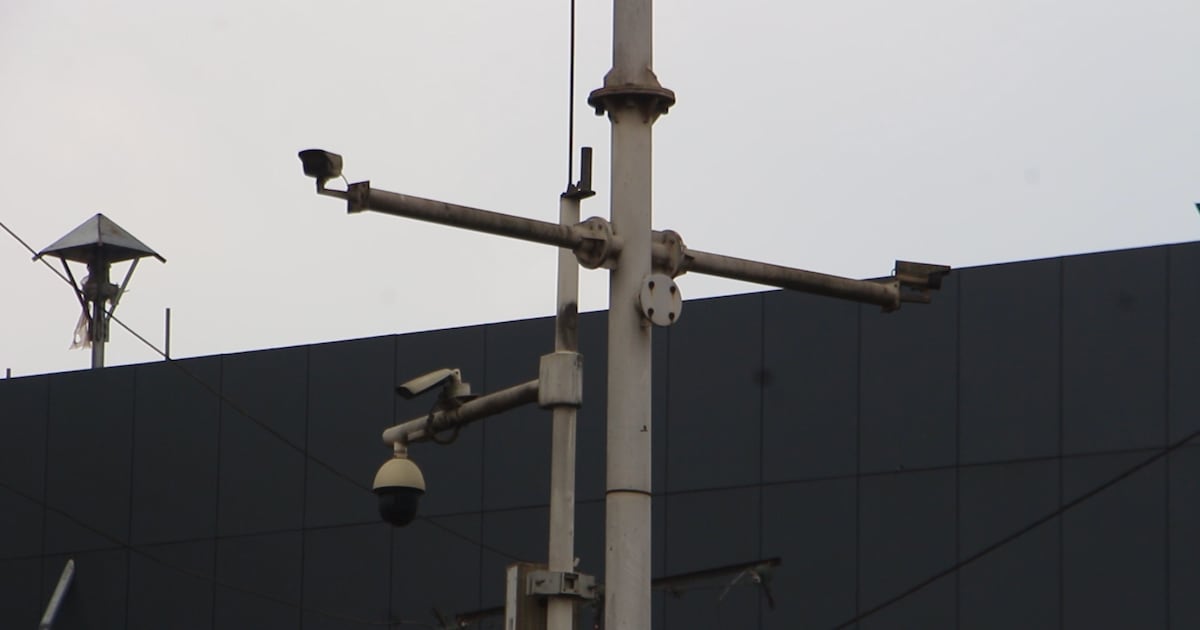
Enhancing safety through urban video surveillance
In the heart of Cameroun, and specifically across the bustling streets of Yaoundé, a digital revolution is taking place. Video surveillance cameras have become pivotal tools in deterring crime, protecting property, and managing the flow of urban traffic. This technological shift is reshaping how residents experience their city, offering a newfound sense of protection.
Since these devices were deployed in strategic sectors of the political capital, the impact on public safety has been palpable. In neighborhoods like Madagascar, the change is particularly striking. Residents who once lived in constant fear of daylight robberies now report a significant decline in criminal activity. Local shopkeepers and homeowners have shared that the brazen raids on boutiques, banks, and bakeries—once a frequent occurrence—have become rare since the cameras began their silent vigil. There is a deep sense of relief among the population as the presence of these electronic eyes holds offenders accountable.
A centralized command for national security
The entire network across Yaoundé is managed with precision from the National Video Surveillance Command Center, situated in the Etoudi district. This hub serves as the brain of the operation, ensuring that the visual data collected from the streets is used effectively to maintain order and respond to incidents in real-time.
Recognizing the success of this initiative in curbing crime, President Paul Biya took a decisive step on December 17, 2025. He signed a decree authorizing Alamine Ousmane Mey, the Minister of Economy, to secure a new loan of 39.2 billion FCFA. This funding is specifically earmarked for the national expansion of the intelligent urban video surveillance system, aiming to bring this level of security to more regions across the country.
Investment and infrastructure development
This latest financial injection marks the fourth credit line dedicated to this massive infrastructure project. Over the past eight years, a total of 150.8 billion FCFA has been mobilized through partnerships with three Chinese lenders. The results of the initial phases are already visible: the first stage saw the installation of 1,500 cameras in various Cameroonian cities. To support this network, the police force was also equipped with 2,000 portable transmitter-receivers, significantly boosting their ability to coordinate and intervene when the cameras detect suspicious activity.
Private security and the democratization of technology
The trend toward surveillance is not limited to public squares and sensitive border zones. Private citizens are increasingly adopting these systems to safeguard their own interests. Homeowners who were previously plagued by repeated burglaries now express high levels of satisfaction, noting that intruders are caught and handed over to the justice system with clear evidence.
The accessibility of this technology is a major factor in its widespread adoption. With a starting price of approximately 15,000 FCFA per unit, these cameras are being installed in diverse locations, including:
- Private residences and apartment blocks
- Large-scale plantations and agricultural sites
- Educational institutions and schools
- Inside personal and commercial vehicles
Modern features allow users to monitor their property remotely via smartphones, television screens, and other digital platforms, providing peace of mind regardless of where they are. This integration of technology into daily life is proving to be a formidable barrier against insecurity throughout Cameroun.