
The Chad government has taken a bold step in reshaping its aviation sector by signing a landmark memorandum of understanding with Egypt during the 4th Joint Cooperation Committee meeting on July 6. This agreement clears the way for three Egyptian airlines—two passenger carriers (whose names remain undisclosed) and one dedicated cargo operator—to establish routes to N’Djamena, the country’s capital.
The pact is designed to breathe new life into Chad’s air transport industry, which has faced significant disruption following the 2025 departure of Air France. Beyond restoring passenger mobility, the deal aims to lower ticket prices, enhance transit services in Cairo, and foster stronger economic and diplomatic ties between the two nations. For the growing community of Chadian students studying across North Africa, these new connections offer a lifeline to their homeland.
Strategic expansion in a shifting market
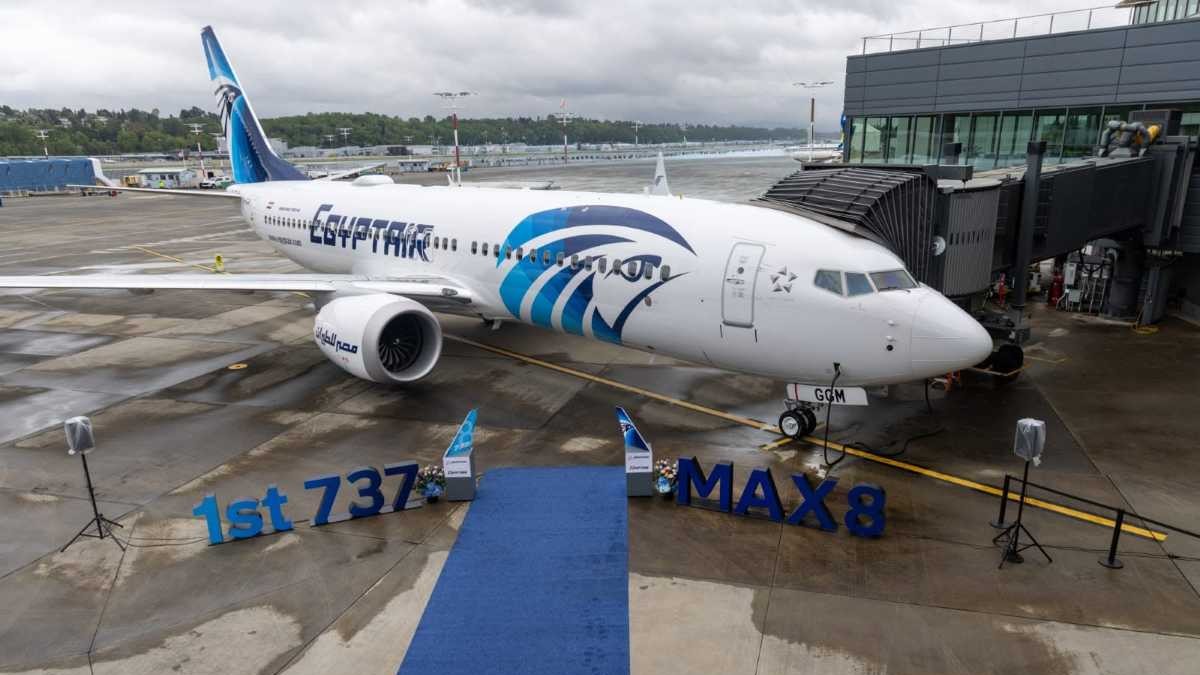
With the withdrawal of major international carriers, N’Djamena’s air connectivity has become increasingly vulnerable. This agreement represents a proactive move to diversify partnerships and ensure the city remains a vital hub in Central Africa. While the identities of the new passenger airlines are yet to be revealed, the deal positions EgyptAir, the national carrier of Egypt, as a potential frontrunner to expand its regional footprint.
The inclusion of a dedicated cargo airline signals a deeper economic ambition. Historically, Egypt has not ranked among Chad’s top trading partners, according to data from the National Institute of Statistics. However, as Chad pursues diversification beyond oil dependency—particularly in mining—this new freight capacity could serve as a critical artery for future trade flows, potentially supporting extractive industry agreements.
Strengthening regional air corridors
The initiative also reinforces North African carriers’ influence in the Central African Economic and Monetary Community (Cemac) zone. By integrating N’Djamena into its network, EgyptAir will complement its existing operations in Cameroon, further solidifying its presence in Central Africa’s evolving aviation landscape.