
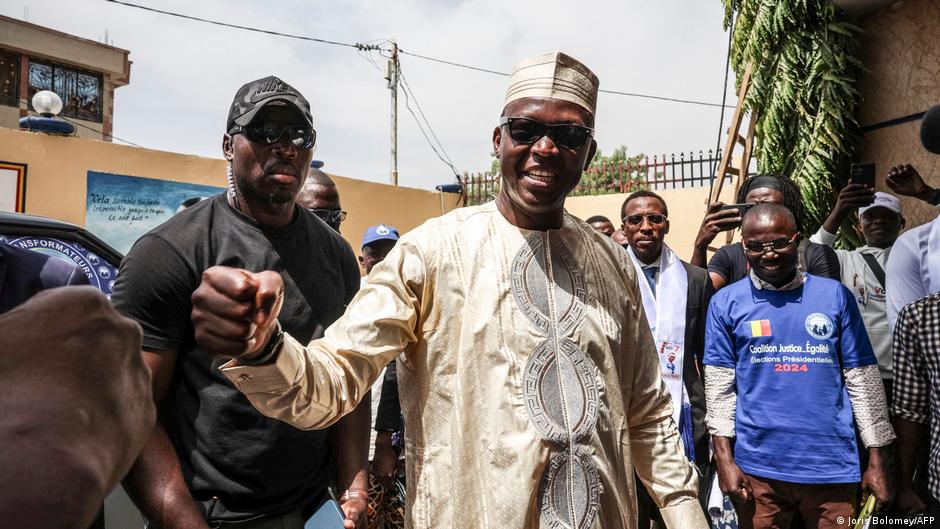
N’Djamena — A presidential decree of clemency has restored freedom to several opposition figures in Tchad, including former Prime Minister Succès Masra, sentenced to 20 years for insurrection alongside eight other leaders from the GCAP coalition.
The decree cancels their prison sentences but does not erase their criminal records. They regain liberty but retain their convictions, financial penalties, and political ineligibility — a critical distinction from full amnesty, political analysts note.
“The president’s decision reflects a national expectation. Using constitutional powers, he has freed these political figures. Now, it is up to Parliament to act responsibly,” explained analyst Bétinbaye Yamingué.
Parliament’s role in restoring full rights
Yamingué emphasized that the sincerity of the gesture will only be measured by whether Parliament, currently dominated by the ruling party with 124 of 188 seats, supports an amnesty law for these newly freed leaders.
“True political reform means more than releasing opposition leaders — it means restoring their full participation. Without that, today’s clemency could be seen tomorrow as a tactical move,” he added.
Mixed responses across the political spectrum
The announcement has sparked divided reactions. The Transformers party, led by Succès Masra, has not yet commented, pending his release. However, vice-president Ndolembai Sadé Njesada praised the decision, calling it a step toward national unity and hopeful for future dialogue.
In contrast, GCAP spokesperson Hissein Abdoulaye condemned the clemency, stating it falls short of amnesty. “Condemning political leaders, granting clemency while stripping them of civic rights is a grave democratic setback,” he argued.
Meanwhile, the ruling MPS party welcomed the move as beneficial, emphasizing the humanitarian aspect of reuniting families.