
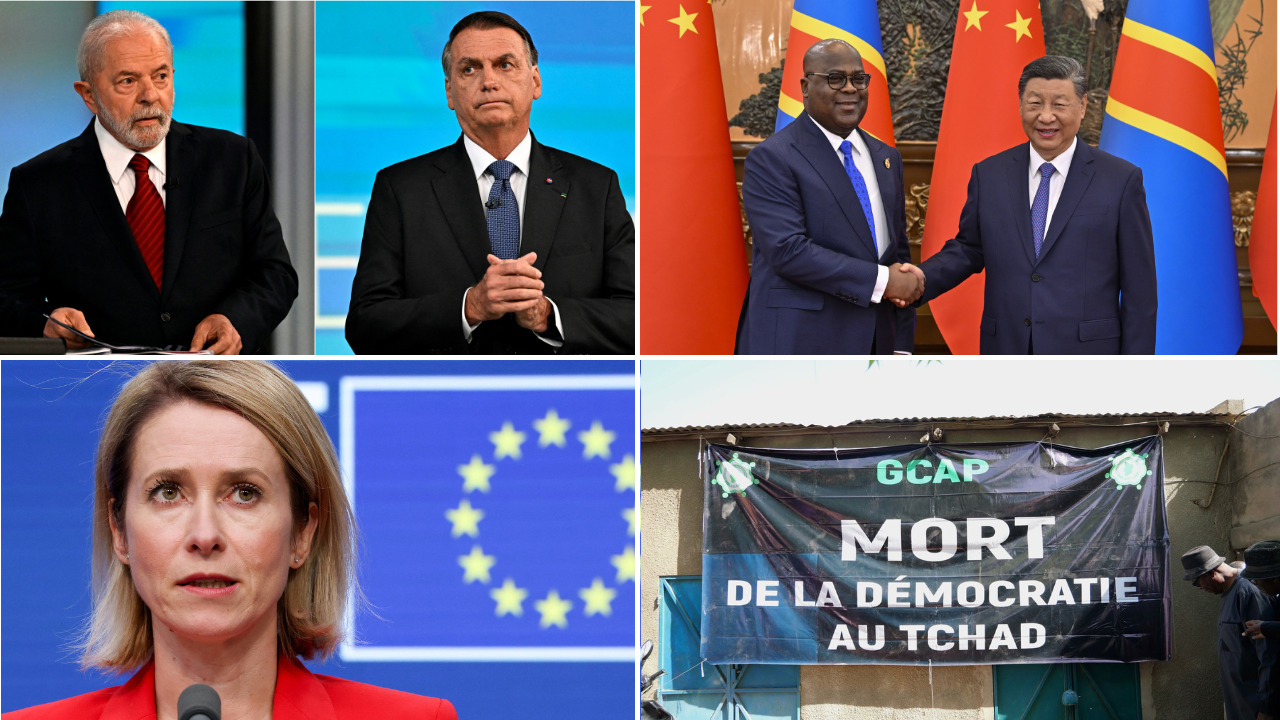
Chad’s GCAP: what lies ahead after the conviction of eight officials?
The fate of Chad’s Gouvernement de Concertation et d’Action Politique (GCAP) is now under intense scrutiny following the legal ruling against eight of its senior members. The verdict has sparked widespread debate about the group’s future operations and its role in the country’s political landscape.
Key developments in the aftermath of the ruling
The court’s decision has left many wondering about the immediate and long-term consequences for the GCAP. With its leadership facing legal repercussions, questions arise about the organization’s ability to maintain its influence and continue its activities within Chad and internationally.
Analysts highlight several potential scenarios:
- Leadership vacuum: The absence of key figures could disrupt the GCAP’s strategic direction and internal cohesion.
- Public perception: The conviction may alter how the group is viewed by both the Chadian public and international partners.
- Operational shifts: The GCAP might need to restructure its operations or adopt new approaches to address its challenges.
As the dust settles, the international community is closely monitoring the situation, assessing what this development means for stability and governance in Chad.
Expert insights on the GCAP’s trajectory
Political observers and legal experts are weighing in on the implications of this landmark case. Some point to the possibility of the GCAP rebuilding its leadership through internal reforms, while others suggest it may face dissolution or merger with other political entities.
One analyst noted, “The conviction of these eight officials marks a turning point. The GCAP’s ability to adapt will determine its survival in Chad’s evolving political climate.”
Meanwhile, Chadian citizens are expressing mixed reactions—some see the ruling as a step toward accountability, while others fear it could deepen political instability.
What’s next for the GCAP?
The coming weeks will be critical for the GCAP as it navigates this crisis. The group may pursue legal appeals, seek new alliances, or redefine its objectives to align with the current political realities in Chad.
The international community’s response could also play a pivotal role in shaping the GCAP’s future. Diplomatic efforts, sanctions, or support for reform could influence the group’s trajectory in the months ahead.