
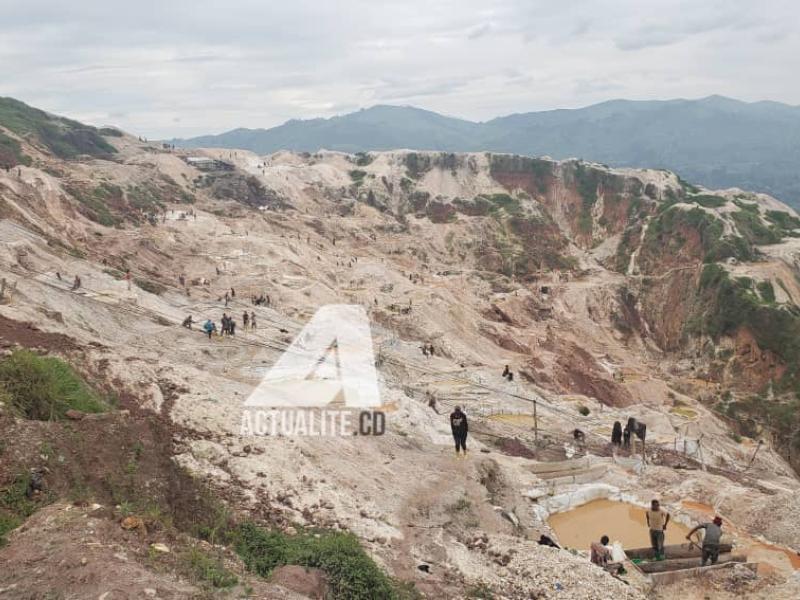
The international community must confront the fundamental triggers of the violence plaguing the eastern Democratic Republic of Congo (DRC). The illicit extraction of mineral wealth remains a primary driver of the persistent instability across the Great Lakes region.
During a session at the United Nations Security Council, Ambassador Fu Cong, China’s permanent representative, pointed out that the ongoing hostilities, compounded by a resurgence of Ebola, are intensifying the humanitarian and security crisis. He emphasized that global actors must work together urgently to reverse this deteriorating situation.
Addressing the economic roots of instability
The Chinese diplomat stressed the importance of resolving the economic factors that fuel the fighting. The vast natural wealth of the DRC, which should serve as a foundation for national growth, is instead being plundered by armed groups. This systemic looting and trafficking continue to provide the financial oxygen for the conflict.
Beijing believes that establishing rigorous governance within the mining industry is a vital step toward peace. To this end, China is backing regional efforts to create transparent and inclusive mining frameworks designed to sever the ties between mineral trade and armed violence.
A call for transparency and regional support
The Chinese delegation also encouraged the Security Council to bolster its support for local initiatives. Strengthening the transparency and traceability of resource exports through regional mechanisms is seen as a priority for stabilizing the area.
Ambassador Fu Cong issued a specific warning to major global powers outside the region. He insisted that these nations should refrain from treating the DRC’s natural resources as a form of currency or leverage in regional diplomatic negotiations. Instead, he advocated for open cooperation that ensures the local population actually benefits from the exploitation of their own land.
The reality of economic warfare in the East
For more than three decades, the unrest in the eastern provinces has been inextricably linked to economic predation. Strategic mining hubs, such as those in Rubaya, are currently held by armed factions like the AFC/M23. This control facilitates the illegal flow of minerals into neighboring countries, depriving the Congolese state of essential tax revenue and stalling development.
The government in Kinshasa has long characterized this situation as an “economic war” facilitated by Rwanda through various intermediaries, a claim that officials in Kigali consistently deny.
Despite diplomatic interventions, such as the Washington Accord facilitated by the United States and the Doha process led by Qatar, progress remains stalled. Both Kinshasa and Kigali frequently trade accusations of non-compliance regarding their commitments. Consequently, the security landscape on the ground remains largely unchanged, with direct dialogue between the government and the AFC/M23 failing to produce a breakthrough.