
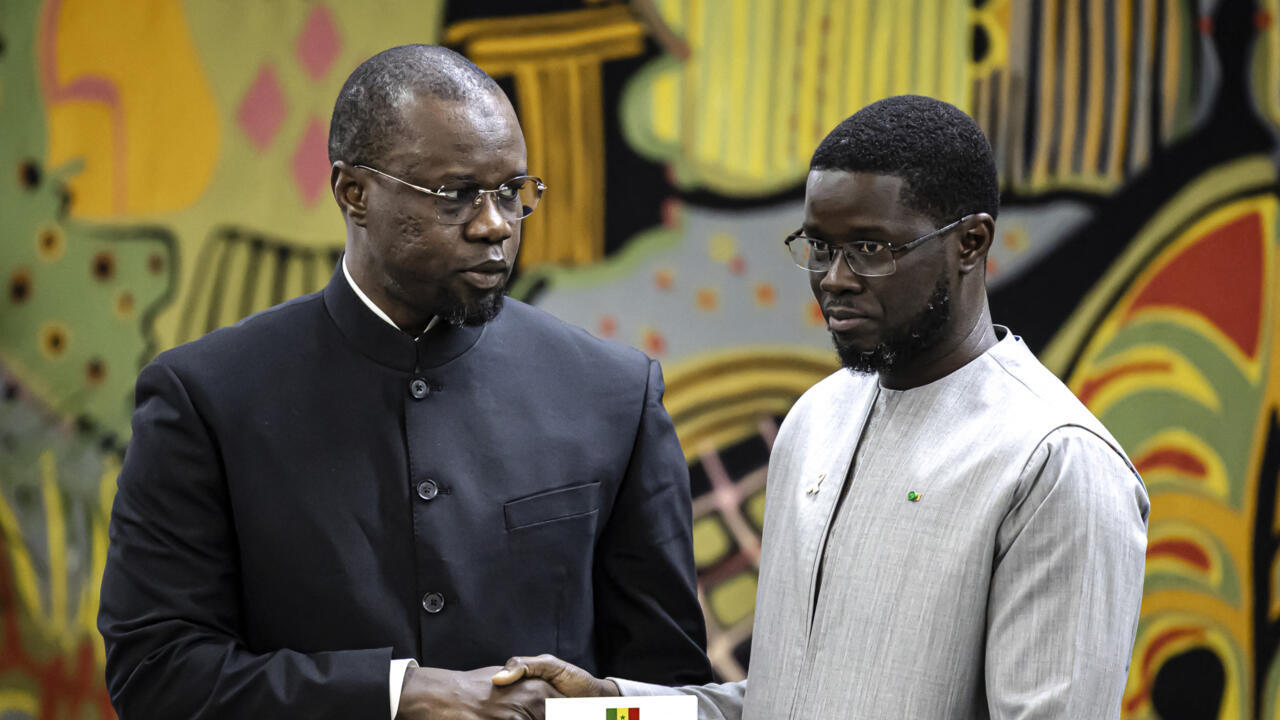
Senegal’s political shifts and rising Middle East tensions dominate the agenda
This week’s discussion explores how Senegal navigates constitutional reforms and political alliances, while escalating conflicts in the Middle East reshape regional stability. With the 2026 World Cup on the horizon, how will these dynamics influence Africa’s role in global football?
Senegal’s constitutional reforms and political realignment
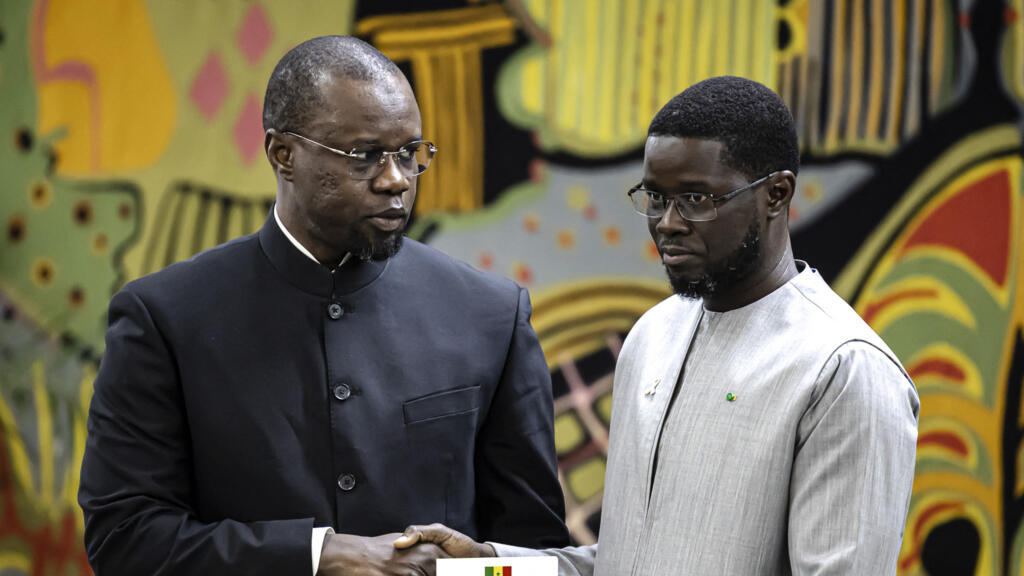
President Bassirou Diomaye Faye’s administration faces a critical juncture as constitutional amendments proposed by the ruling party were struck down by the Constitutional Council. The move, spearheaded by Ousmane Sonko’s parliamentary group, has intensified political debates across Dakar. Could this setback prompt a strategic recalibration from the president, or will it deepen divisions within the nation’s political landscape?
The establishment of a new presidential party marks a bold attempt to consolidate support ahead of the 2026 elections. Yet, the question remains: will this initiative bridge the gap with opposition factions and sway public opinion, or will it further polarize the electorate?
Middle East escalation and its global implications
Global tensions have surged following renewed clashes in the Middle East, with recent exchanges between Iran and regional actors prompting a sharp response from Washington. The Trump administration’s declaration that the ceasefire is over signals a potential shift toward more aggressive military posturing. As diplomatic efforts stall, the region teeters on the brink of a broader confrontation.
Amid these developments, African perspectives remain crucial. Weekly analyses by leading journalists dissect the interplay between regional conflicts and Africa’s evolving role in international affairs, offering insights into how geopolitical shifts impact the continent’s strategic interests.
Voices shaping Africa’s narrative
This week’s discussion features prominent African journalists providing in-depth analysis on key issues:
- Wuldath Mama, Beninese international affairs specialist
- Eric Topona, Chadian journalist with Deutsche Welle’s Francophone Africa desk
- François Hiondi Nkam, senior reporter and Economics Editor at Cameroon’s Le Jour newspaper