
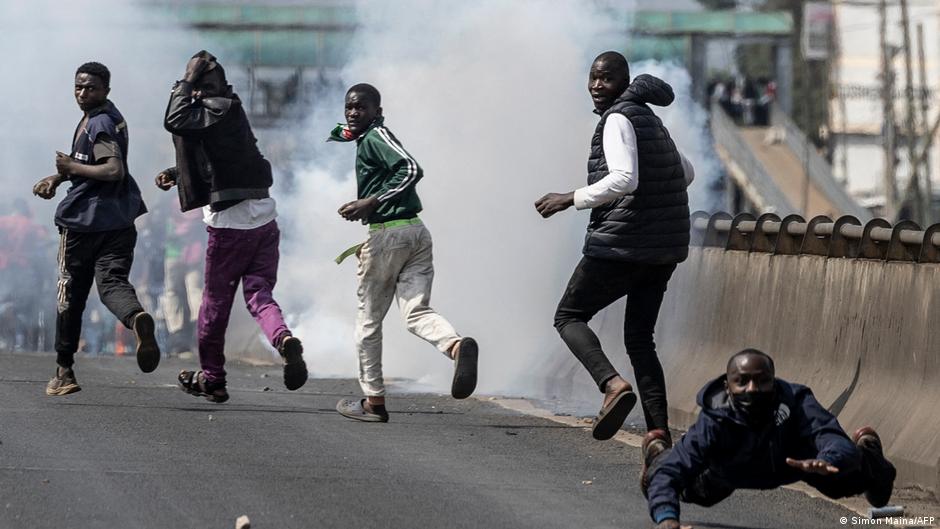
democracy under pressure across africa’s political landscape
The state of democracy in Africa today presents a complex picture: while some nations forge ahead with democratic progress, others face significant setbacks in political freedoms. The continent finds itself at a critical juncture where authoritarian tendencies and military interventions threaten hard-won democratic gains, even as citizen activism and peaceful transitions demonstrate enduring democratic aspirations.
Military rule and political restrictions reshape Sahel’s governance
In recent years, several Sahelian nations have experienced dramatic shifts in their political trajectories. Burkina Faso, Mali, and Niger have seen the consolidation of military-led governments, fundamentally altering their democratic frameworks. These transitions have been accompanied by:
- Increasing restrictions on political opposition and civil society organizations
- Delayed or disputed electoral processes that challenge democratic legitimacy
- Constitutional amendments enabling extended presidential terms
- Media crackdowns that limit freedom of expression
While elections continue to be organized in many states, their fairness and competitiveness often come under scrutiny from domestic and international observers.
Democratic resilience emerges in resilient nations
Despite these challenges, Africa’s democratic landscape isn’t uniformly bleak. Several countries maintain robust democratic traditions:
- Senegal continues to demonstrate strong electoral integrity and peaceful transitions
- Cabo Verde and Botswana consistently rank among Africa’s most stable democracies
- Ghana has maintained regular, credible elections since returning to democratic rule
- Seychelles has shown steady democratic progress in recent years
Recent Afrobarometer surveys reveal that African citizens remain strongly committed to democratic principles, with growing demands for greater transparency, accountability, and citizen participation in governance.
The pivotal role of Africa’s youth in democratic movements
Africa’s young population has emerged as a powerful force in shaping democratic futures. Youth-led movements across the continent are demanding:
- Stronger electoral transparency
- More effective anti-corruption measures
- Improved governance standards
- Enhanced economic opportunities
These movements reflect a generation that refuses to accept political stagnation and is actively reshaping the continent’s democratic discourse.
Critical challenges for Africa’s democratic future
The coming years will test Africa’s democratic resilience through several key challenges:
- Restoring constitutional order in military-led states
- Ensuring the independence of electoral and judicial institutions
- Enforcing presidential term limits and constitutional provisions
- Protecting fundamental freedoms including press freedom and opposition rights
- Addressing economic disparities that fuel political unrest
The interplay between these democratic pressures and the continent’s evolving political landscape will determine Africa’s trajectory in the years ahead.