
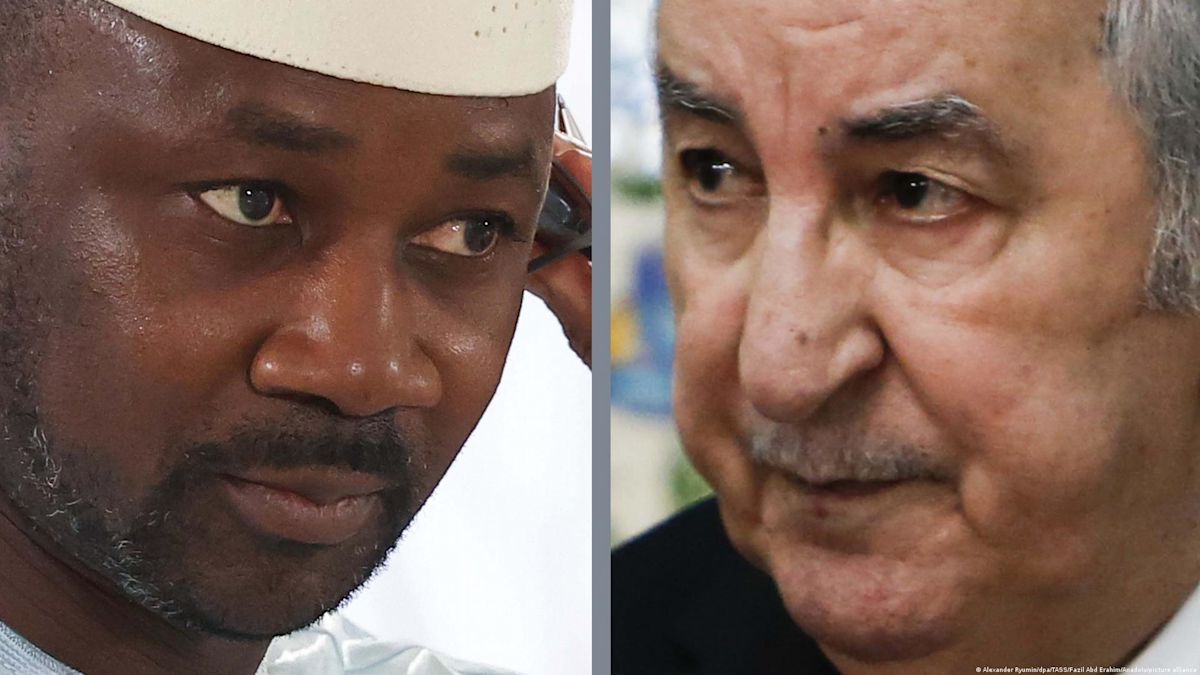
Diplomatic thaw between Mali and Algeria raises regional hopes
Relations between Bamako and Algiers hit a low point in April 2025 when Algerian forces shot down a Malian drone, accusing Mali of violating Algerian airspace. Bamako firmly denied the claim, leading to the immediate closure of the 1,300-kilometer border between the two nations and a suspension of airspace access.
By early July, both governments had taken decisive steps to mend fences. Mutual ambassadorial reinstatements were announced, and cross-border air corridors were reopened, signaling a resumption of normal diplomatic and logistical interactions.
During a high-level phone call, Algerian Prime Minister Sifi Ghrieb extended a formal invitation to his Malian counterpart for an official visit, underscoring the seriousness of the détente efforts.
Regional security priorities drive diplomatic rapprochement
Sociologist Mohamed Amara highlighted two primary motivations behind the warming ties. First, the move serves as a stabilizing force across the Sahel, where Mali, Niger, and Burkina Faso continue to face persistent threats from terrorist factions and insurgent groups.
Second, Algeria sees an opportunity to reassert its diplomatic leadership in the region, especially as security challenges ripple across West Africa and the Gulf of Guinea. While Algeria itself remains relatively insulated from direct spillover, the Algerian leadership recognizes the need to collaborate closely with regional partners to preempt broader destabilization.
Strategic gains and lingering challenges
From Algeria’s perspective, the rapprochement strengthens its geopolitical positioning, particularly with the continued backing of Russia, a key ally for both Algiers and Bamako. The joint security framework aims to restore stability and reinforce Algeria’s regional influence.
For Mali, the immediate priorities are clear: securing the border with Algeria to prevent it from becoming a porous gateway for armed groups, and reopening channels for dialogue—especially concerning the Front de libération de l’Azawad—to restore political equilibrium.
Will this shift the Sahel’s geopolitical map?
While the fundamental power balances in the Sahel have remained largely unchanged since 2020, this thaw represents a notable shift. Algeria’s re-entry into the diplomatic arena, coupled with Russia’s sustained engagement as a trusted partner in both capitals, could redefine regional power dynamics and foster greater coordination in counterterrorism efforts.