

Moroccan authorities have pledged to implement all necessary measures to address the growing migration crisis unfolding at Ceuta, a Spanish enclave on the northern coast of Africa. The announcement follows a sharp increase in the number of migrants attempting to cross into European territory, prompting urgent discussions between Rabat and Madrid.
Intensified border patrols and humanitarian response
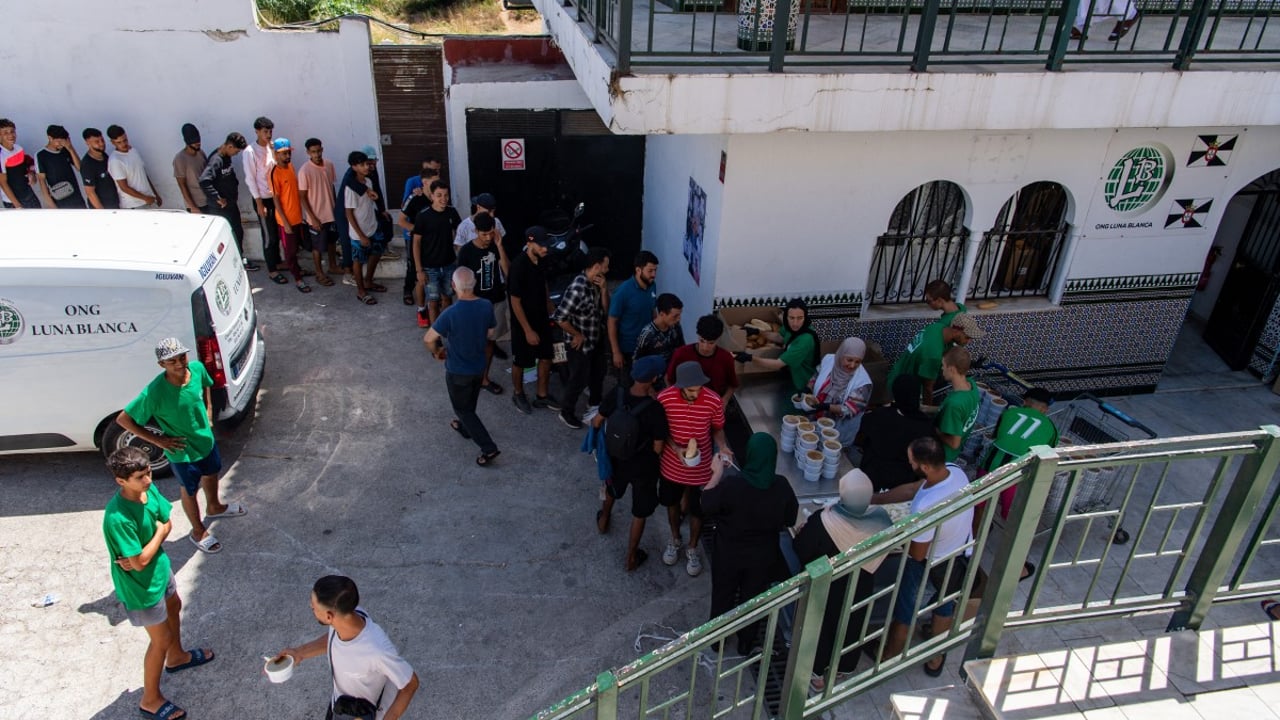
In response to the situation, Morocco has significantly bolstered its border security operations along the perimeter of Ceuta. Military and police units have been deployed to monitor entry points and prevent unauthorized crossings. Simultaneously, humanitarian organizations have ramped up their support, distributing essential supplies such as food, water, and medical aid to stranded migrants in temporary camps.
Regional cooperation in focus
The escalating migration flow has underscored the need for stronger regional collaboration. Both Morocco and Spain are evaluating strategies to manage the crisis, with discussions centered on enhancing coordination between security forces and sharing intelligence to curb illicit border crossings. The situation has also drawn attention from European Union officials, who are assessing potential measures to assist in stabilizing the region.
Challenges ahead
Despite the swift actions taken, authorities face significant hurdles. The terrain around Ceuta presents natural obstacles, while the sheer volume of migrants arriving daily strains local resources. Additionally, concerns persist about the underlying factors driving migration, including economic hardship and limited opportunities in countries of origin.
The Moroccan government has reiterated its commitment to finding a sustainable solution, emphasizing the importance of addressing both immediate humanitarian needs and long-term regional stability.