
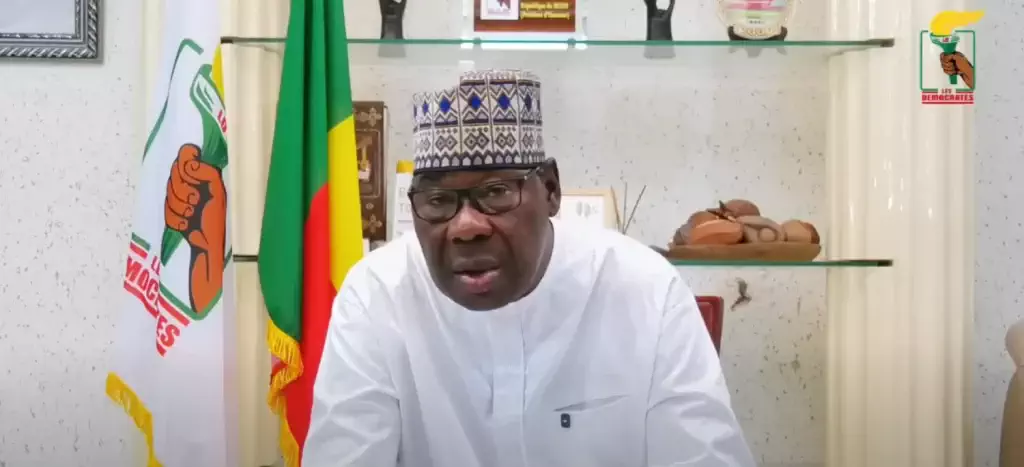
A significant political development is unfolding in Bénin. Former Head of State Thomas Boni Yayi, who had long stood against the establishment of the parliamentary upper house, has now declared his intention to take up his rightful seat as a senator. He cites the critical need to foster a space for dialogue within what he describes as a constrained political environment.
This marks a notable shift in posture from Cotonou. Previously, Boni Yayi had publicly dismissed the idea of sitting in the Senate following the constitutional review in December 2025. However, he has now revised his position, communicating this change in a statement addressed to his fellow citizens.
Decision driven by a ‘locked’ political landscape
In explaining his decision, the former president highlighted the concerning evolution of the nation’s political context. He pointed to the emergence of a ‘monocolor Parliament’ and the scarcity of forums for broad consultation. Boni Yayi believes it is now imperative to occupy every available platform to amplify the voices of the populace and contribute to alleviating political tensions.
“I am not seeking this position; it is mandated by the Constitution,” he affirmed, reiterating that the Senate “could serve as a framework for internal political dialogue, designed to convey the voice and expectations of the people.”
Understanding Bénin’s new Senate
Born from recent institutional reforms, the new upper chamber is comprised of between 25 and 30 members. The Senate includes:
Members by right: This category encompasses former Presidents of the Republic, past Presidents of the National Assembly, and former Presidents of the Constitutional Court;
Appointed personalities: Individuals designated in accordance with the criteria set forth by the fundamental law.
By accepting his seat, as stipulated by Article 113-3 of the Constitution, Thomas Boni Yayi intends to transform this institution into a ‘distinguished platform dedicated to the people’s interests.’ His mandate, he asserts, will be focused on championing democracy, human rights, and social peace across Bénin.