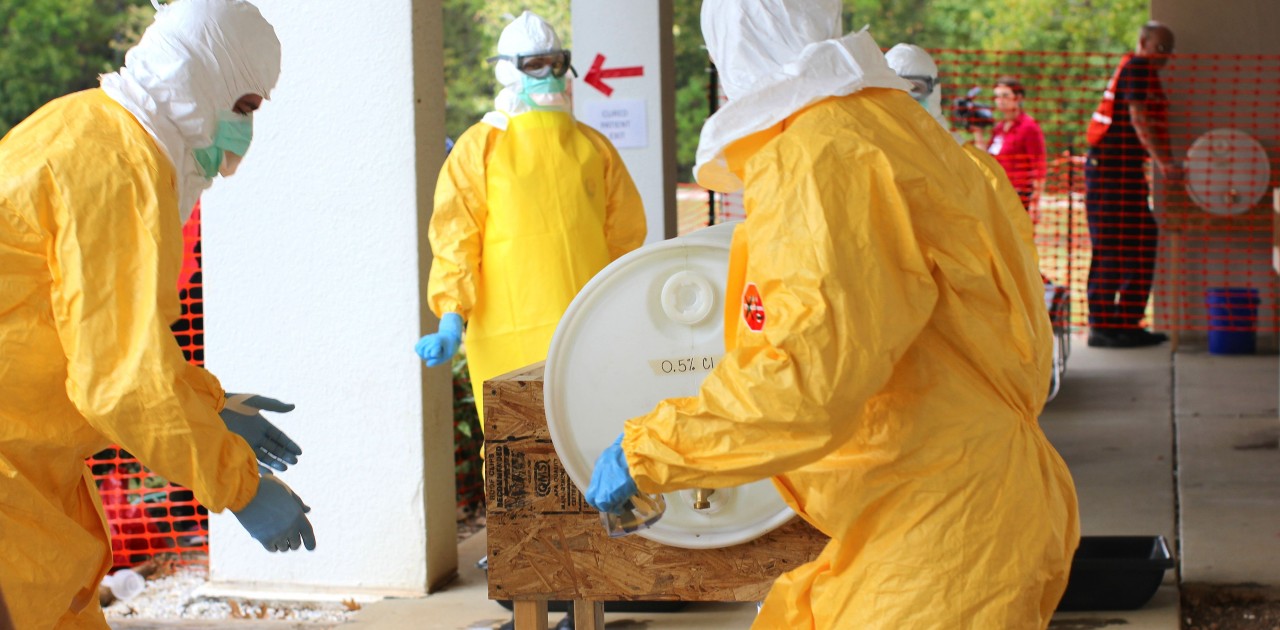
The Democratic Republic of Congo is currently facing a sharp escalation in Ebola infections, with more than 1,000 cases confirmed in just one month. This rapid spread is heavily concentrated in the eastern regions, where ongoing conflicts and limited medical infrastructure hinder response efforts. While a single imported case has been identified in France, international health experts maintain that the risk of a global pandemic remains very low due to rigorous monitoring and containment strategies.
The virus continues to affect the Democratic Republic of Congo.
Rising Ebola infections in the Democratic Republic of Congo: over 1,000 confirmed cases spark international concern
The Ebola outbreak is intensifying across the Democratic Republic of Congo (DRC). In the last thirty days, health authorities have documented over 1,000 confirmed cases, primarily located in the eastern province of Ituri, as well as in North Kivu and South Kivu. These areas are currently destabilized by armed violence and significant population displacements, factors that severely complicate the delivery of essential care and the implementation of effective hygiene measures.
Although the epicenter of the crisis is in Central Africa, the detection of a case in France serves as a reminder that the virus can travel. However, the threat of international expansion is considered minimal. Current health protocols, which emphasize rapid isolation and advanced surveillance, are proving effective in preventing wider transmission. This situation highlights the complex environmental and social factors that drive the virus’s circulation and the potential for further expansion if not closely managed.
Insights into the crisis are provided by experts working on the front lines:
- David Munkley, director of operations for the NGO World Vision in eastern DRC.
- Cédric Dananché, epidemiologist and deputy head of the Hygiene and Infectiovigilance Service at the Hospices Civils de Lyon.

The situation requires constant vigilance and an understanding of the ground realities. Efforts to build a safer future involve both immediate medical intervention and long-term engagement with local communities affected by the virus.