
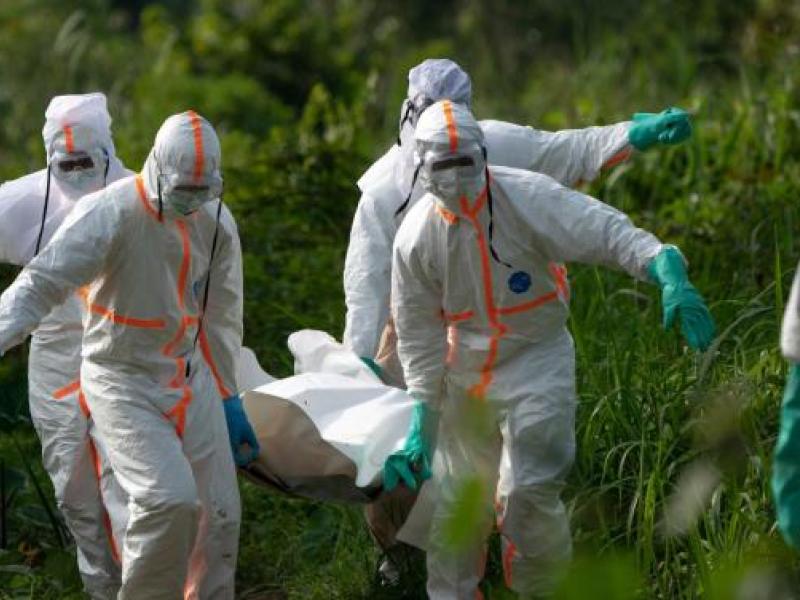
The Director-General of the World Health Organization (WHO), Dr. Tedros Adhanom Ghebreyesus, has issued a stark warning about the escalating Ebola crisis in the Democratic Republic of Congo (DRC). Speaking at a press conference in Geneva, he described the outbreak as the third-largest in history, with cases now doubling at an alarming rate.
As of today, 2,073 confirmed cases have been recorded, including 796 deaths—a trajectory that has outpaced all previous DRC outbreaks. The Ituri province remains the epicenter, where over 80% of new infections are emerging from untraceable transmission chains. Tragically, two-thirds of fatalities occur within communities, often without access to medical care.
Challenges in containment
The WHO, in partnership with the Africa Centres for Disease Control and Prevention (CDC Africa) and other agencies, continues to support the DRC government’s response. Efforts include expanding treatment capacity to over 800 beds, increasing laboratory testing from one to 16 facilities, and training nearly 21,000 community health workers. Despite these measures, the virus’s spread shows no signs of slowing.
Recent attacks on Ebola treatment centers, including one in Bunia, Ituri’s capital, have further hindered containment. Armed conflict and insecurity in affected regions restrict access to critical zones, allowing transmission to persist unchecked. The WHO has emphasized that political intervention is now essential to accelerate response efforts.
Scientific breakthroughs amid crisis
Amid the devastation, there are signs of progress. Clinical trials for experimental treatments like monoclonal antibodies (MBP134) and antivirals (remdesivir, obeldesivir) are underway. Additionally, the first safety trial of the ChAdOx1 vaccine, led by the University of Oxford, has begun. To date, 377 patients have recovered, proving that early diagnosis and proper care can save lives even without approved vaccines or treatments.
In neighboring Uganda, the situation is improving. The last confirmed patient was discharged today, marking the start of a 42-day countdown to declaring the outbreak over. However, the DRC’s crisis remains dire, with Uganda’s progress highlighting the stark contrast in control efforts.
Urgent priorities for action
The WHO has outlined immediate priorities: strengthening surveillance in Ituri, ensuring safe burials, improving clinical care, and engaging communities. The agency also stressed the need to bolster response capacities in newly affected provinces before transmission becomes entrenched.
The outbreak, caused by the rarely seen Bundibugyo strain, was declared on May 17 and declared a Public Health Emergency of International Concern (PHEIC) two days later. Factors complicating containment include population mobility, fragile health systems, and limited infrastructure in conflict zones. With no licensed vaccine or treatment for this strain, the response relies heavily on containment and care.
DRC authorities have reassured the public, citing experience from 16 previous Ebola outbreaks, all successfully controlled through coordinated efforts. Yet, the current scale demands urgent, sustained action to prevent further devastation.