
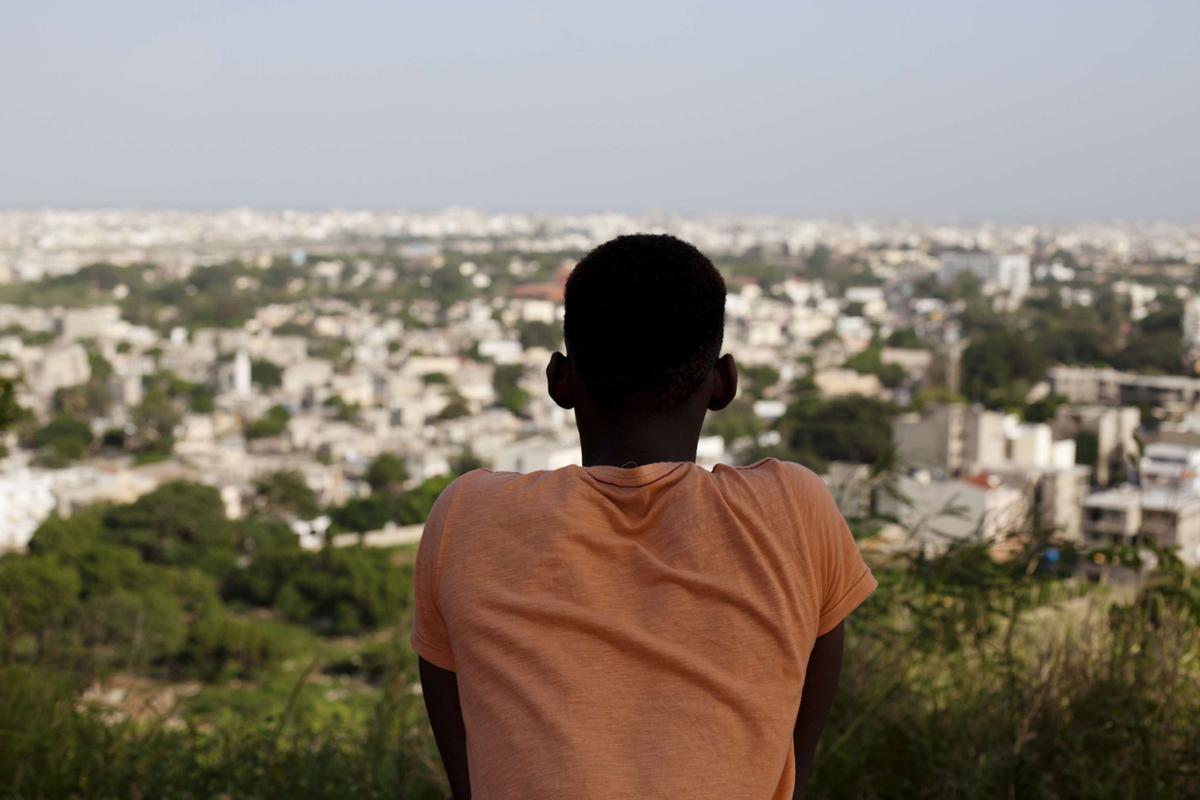
Forced into secrecy or fleeing the threat of imprisonment, homosexual individuals in the Senegal are facing an unprecedented wave of persecution following the recent legal crackdown. Since the Senate approved a bill in March doubling prison sentences for same-sex relations—from five to ten years—requests for emergency assistance from those desperate to escape have surged. Organizations supporting LGBTQ+ rights have reported a sharp increase in distress calls, with many individuals desperate to leave the country amid growing hostility.
the climate of fear gripping Senegal
Chérif* arrived in France in early June, certain he could no longer stay in the Senegal. «I was going to be arrested,» he admitted. For weeks after the arrest of a man he had been in contact with, he lived in constant dread. «As soon as I read about the case in the news, escape became the only thought in my mind.» The situation took a dramatic turn when the arrested man was publicly linked to a high-profile political figure: Ousmane Sonko, the former Prime Minister of the Senegal, now President of the National Assembly, who had championed the bill that toughened penalties for homosexuality. Local media reported multiple arrests of individuals suspected of same-sex relationships.
«I knew the police would search his phone and find messages between us. I deleted everything—messages, photos, any trace of my hidden life.»
a society poisoned by intolerance
Chérif describes life in the Senegal as unbearable. In homes, on the streets, and across television and social media, «everyone is talking about homosexuals,» and hate speech spreads unchecked. «They corrupt the youth, they destroy the nation’s values…»
collaborative efforts to save lives
In response to the crisis, three French organizations—Stop Homophobie, SOS Homophobie, and Le Refuge—have joined forces to coordinate emergency support. Their efforts focus on providing safe passage for those at risk, offering shelter, and ensuring access to legal and psychological assistance. Yet, the demand far exceeds available resources, leaving countless individuals in limbo.
For many, the only path to survival lies in leaving the Senegal behind. But even exile does not guarantee safety. The fear of deportation, language barriers, and the psychological toll of displacement weigh heavily on those who manage to flee. «We are not criminals. We are just people trying to live our lives.»
As the Senegalese government intensifies its crackdown, the future for LGBTQ+ individuals remains bleak. The question now is whether the international community will step in to protect those fleeing persecution—or whether more lives will be lost to silence and violence.