
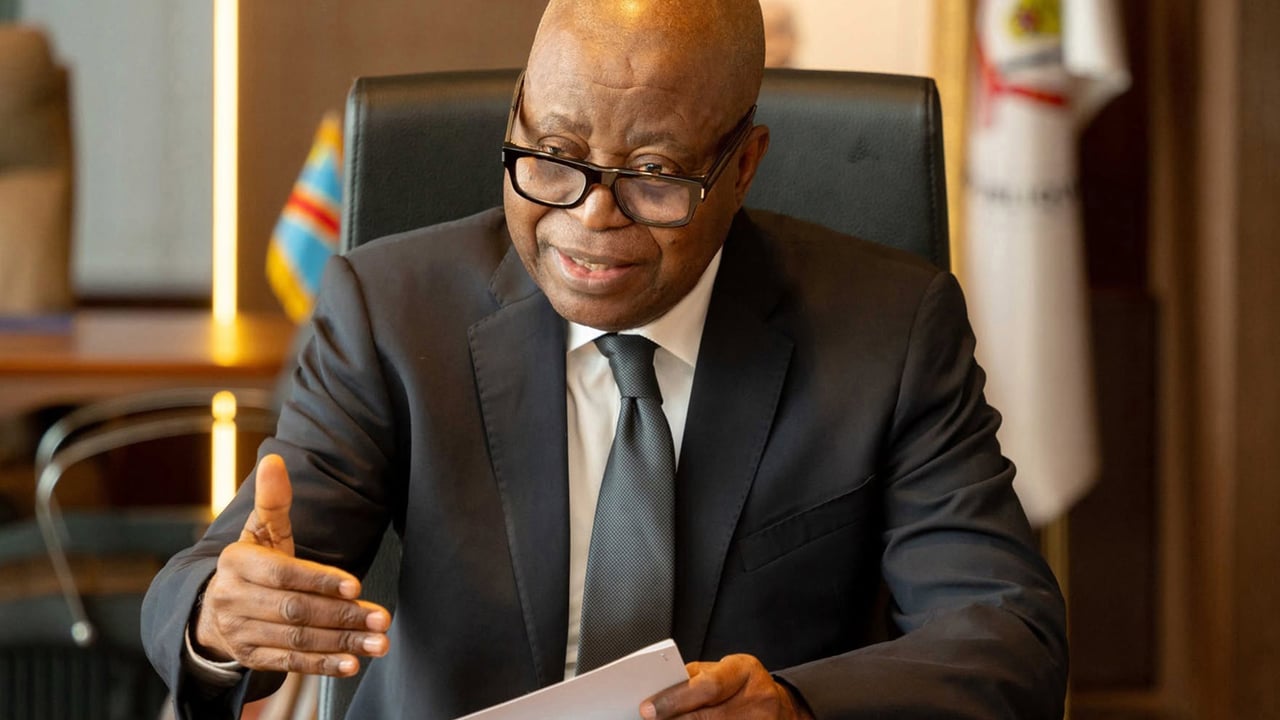
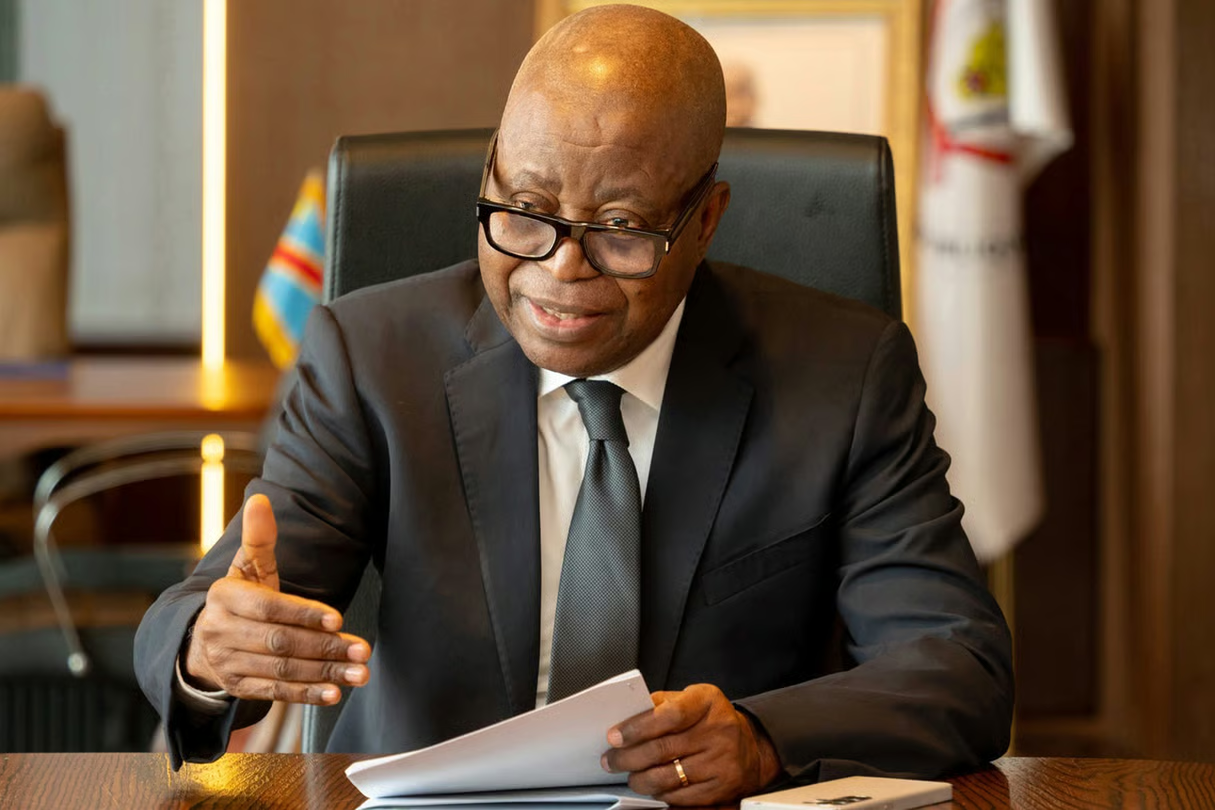
In a bold statement from Kinshasa, Adolphe Muzito, Deputy Prime Minister and Budget Minister of the Democratic Republic of the Congo (DRC), outlined a transformative vision for the nation’s economic future. Speaking with conviction, he declared that under President Félix Tshisekedi’s leadership, the DRC is poised to ascend to the third-largest economy in Sub-Saharan Africa by 2035.
Muzito’s forecast hinges on a series of strategic pillars, including robust infrastructure development, enhanced agricultural productivity, and accelerated industrialization. He emphasized that unlocking the DRC’s vast mineral wealth—cobalt, copper, and gold—will serve as the backbone of this economic leap, attracting unprecedented foreign investment and driving sustainable growth.
Key drivers behind the DRC’s economic transformation
The Deputy Prime Minister highlighted several critical factors that will propel the DRC’s ascent:
- Resource-driven industrialization: Leveraging the country’s mineral reserves to establish high-value processing industries, reducing reliance on raw material exports.
- Infrastructure overhaul: Modernizing transportation networks, energy grids, and digital connectivity to foster business expansion and regional integration.
- Agricultural revolution: Boosting food security and export potential through mechanization, irrigation, and value-added processing.
- Human capital development: Investing in education and vocational training to build a skilled workforce capable of supporting a diversified economy.
Muzito acknowledged the challenges ahead, from geopolitical uncertainties to climate-related risks, but remained resolute. “The DRC’s potential is unmatched,” he stated. “With disciplined execution of these reforms, we will rewrite the narrative of African economic growth.”
Regional implications of the DRC’s economic surge
The projected rise of the DRC as a regional economic powerhouse could reshape trade dynamics across Central Africa. Neighbouring nations may benefit from increased demand for goods and services, while the DRC’s enhanced stability could serve as a catalyst for broader integration efforts in the Economic Community of Central African States (ECCAS).
Analysts note that achieving this vision will require unwavering political will, transparent governance, and continued collaboration between public and private sectors. Muzito’s remarks signal a pivotal moment for the DRC, positioning it as a bellwether for economic transformation in the continent.