
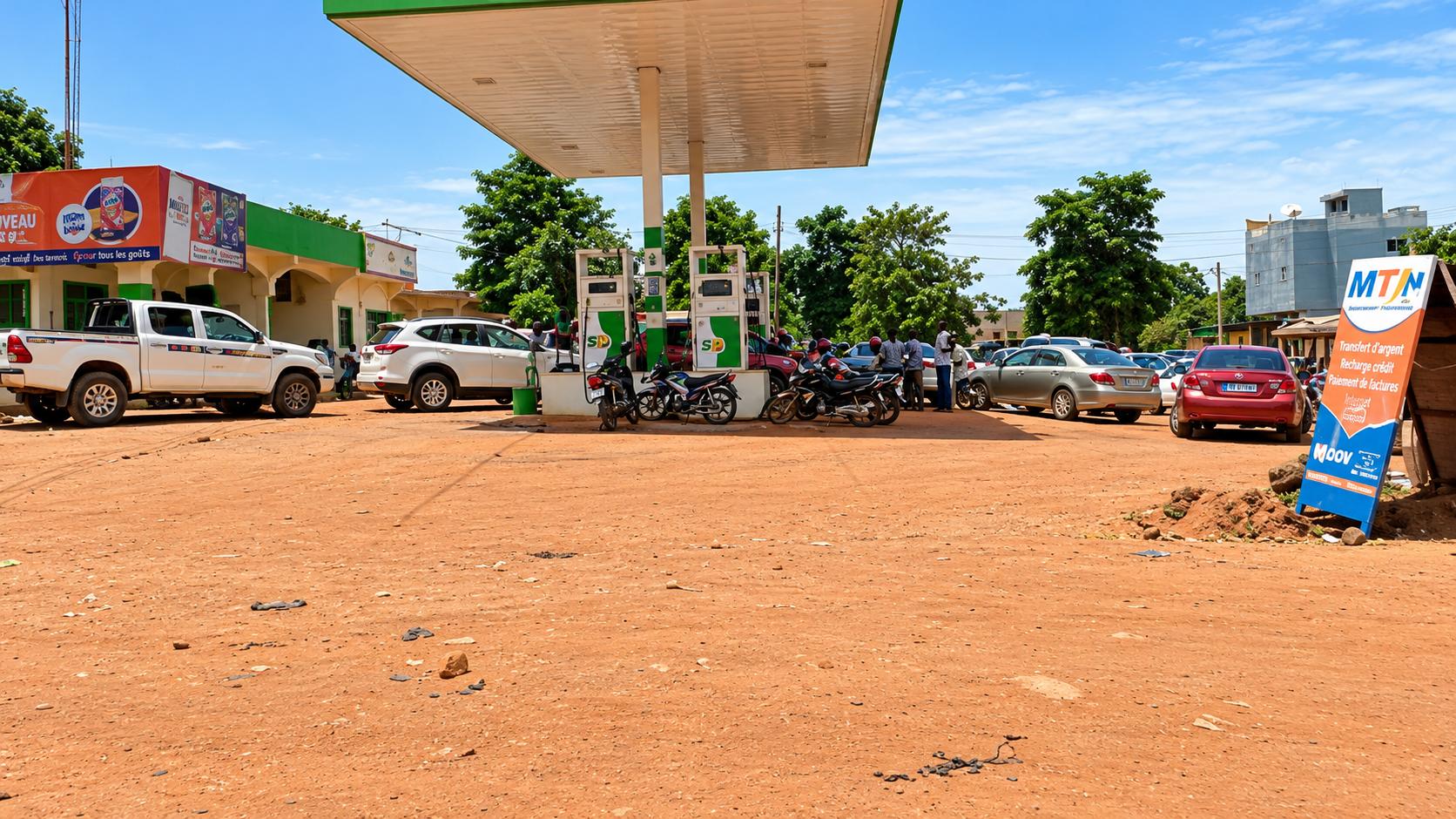
The Nigerien government is doubling down on drastic measures to tackle a spiralling fuel shortage that has left the country in limbo. As of Monday, 19 October 2026, a joint decree from the ministries of Interior, Petroleum and Trade has enforced a night-time curfew on fuel stations and banned the sale of fuel in jerry cans and containers. While framed as a temporary fix to streamline logistics, the move risks shifting the burden onto drivers and masking deeper supply chain failures.
Why night-time restrictions are making the fuel crisis worse
Under the new rules, most petrol stations must close between 9 pm and 6 am, purportedly to allow tanker trucks from the Société Nigérienne de Pétrole (SONIDEP) to unload supplies more efficiently. In practice, the measure could backfire spectacularly. By compressing access to fuel into shorter daytime windows, authorities risk creating massive bottlenecks, especially during peak hours. Although the government pledges to designate “emergency stations” in every municipality, the selection process and their actual capacity remain vague, leaving commuters in the dark about where to refuel under pressure.
Traffic jams and tempers flare as queues grow
With reduced operating hours, long lines are already forming at open stations, stretching into hours under the scorching Sahel sun. Drivers—many of whom rely on their vehicles for work—are forced into an impossible choice: wait indefinitely or risk running on fumes. The government’s pledge of permanent stations is welcomed in theory, yet without transparent criteria or expanded infrastructure, it risks becoming a hollow promise that does little to ease daily commutes.
Banning jerry cans: a cure worse than the disease?
The crackdown extends beyond station closures, targeting informal fuel vendors who sell petrol in containers. Authorities argue that unregulated sales fuel artificial scarcity and price gouging. Yet this narrative overlooks a critical reality: in many neighbourhoods, jerry can sales are the only lifeline when official pumps run dry. By criminalising this informal supply, the state is pushing a problem underground rather than addressing its root causes. Security forces have been deployed to enforce the ban, reinforcing the message that users and small-scale vendors—not systemic failures—are to blame for the crisis.
Who really bears the cost of the fuel shortage?
The government’s emergency plan was crafted in consultation with SONIDEP, Niamey’s municipal leadership and local authorities, positioning it as a rational, short-term solution. But by appealing for “civic discipline” and “patience,” officials are asking citizens to adapt to a failing distribution network rather than fixing it. Without meaningful reforms to logistics or concrete guarantees of increased national fuel stocks, these restrictions risk becoming a daily ordeal for Nigeriens—while doing little to curb the speculation they claim to target.
Looking ahead: a crisis deferred, not resolved
For now, the Nigerien public is left navigating a patchwork of restrictions that prioritise control over solutions. Night-time curfews, jerry can bans and heavy-handed enforcement may offer the illusion of order, but they do nothing to address the structural flaws in the country’s fuel supply chain. Until the government shifts focus from punitive measures to sustainable improvements, the fuel crisis will continue to test the patience—and livelihoods—of millions.