
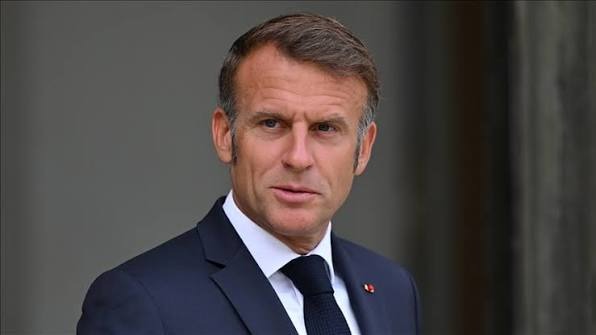
As France grapples with another wave of urban unrest—marked by looting, violent clashes, and the rapid construction of barricades in major cities—the government finds itself trapped between public outrage and a deepening security crisis. Even as officials acknowledge systemic failures in law enforcement’s response, President Emmanuel Macron has made a decisive move: rejecting Interior Minister Laurent Nuñez’s resignation, a gesture Nuñez himself tendered in what seemed a moment of political accountability.
But this decision is far from a blank check. The Élysée has framed the rejection not as clemency, but as a strategic imperative—one rooted in the need to maintain state authority during a crisis that threatens both public order and institutional credibility.
Why Macron chose continuity over resignation
When Laurent Nuñez submitted his resignation following the catastrophic breakdown in public order during the previous weekend’s riots, it signaled a moment of reckoning. Yet the Élysée moved swiftly to defuse the crisis of leadership by rejecting the resignation outright. In a carefully worded statement issued Monday, the presidency justified its decision on grounds of urgency: maintaining operational continuity in the face of a spiraling security emergency.
The message was clear: France cannot afford a leadership vacuum at Beauvau Palace—not when the country’s ability to restore calm rests on a single, decisive figure. By keeping Nuñez in place, Macron signaled that while the minister may remain, his mandate is now conditional on immediate, sweeping reform.
From passive containment to proactive intervention
The old playbook—relying on crowd dispersal and minimal engagement with rioters—has been declared obsolete. The government is now demanding a radical shift in policing tactics, with Nuñez tasked with implementing “rapid-response, high-impact intervention strategies” aimed at neutralizing threats before they escalate.
Key priorities include:
- Immediate dismantling of barricades to prevent territorial encroachment by violent groups
- Proactive protection of commercial districts and public infrastructure to curb looting and vandalism
- Zero-tolerance enforcement against organized rioters, with coordinated strikes against hotspots
This marks a departure from France’s traditional riot control doctrine, which often prioritized containment over confrontation—a strategy critics now blame for emboldening violent actors.
Where the intelligence system failed
Behind the scenes, a deeper crisis is unfolding: systemic intelligence failures that left authorities blind to the scale of mobilization until it was too late. President Macron has explicitly tasked Nuñez with conducting a full audit of pre-event intelligence gathering, citing “critical gaps in anticipation and foresight” that allowed the unrest to spiral.
The demand for transparency is now non-negotiable. Public trust hinges on a credible account of why early warning systems failed, and how future breaches can be prevented. Nuñez faces immense pressure—not only to reform tactics on the ground, but to restore the public’s faith in the state’s ability to protect its citizens.
Can nuñez deliver where others failed?
The stakes couldn’t be higher. With France’s urban centers still simmering and political opposition baying for accountability, the Interior Minister’s job has transformed from crisis manager to reform architect. Whether he can pivot from containment to decisive action—while simultaneously addressing intelligence failures and calming public anger—will determine not only his political future, but the stability of the Fifth Republic itself.
As the sun sets on another night of unrest, one question looms over Paris and beyond: is the current security model salvageable, or is France at the precipice of a new era of public order?