
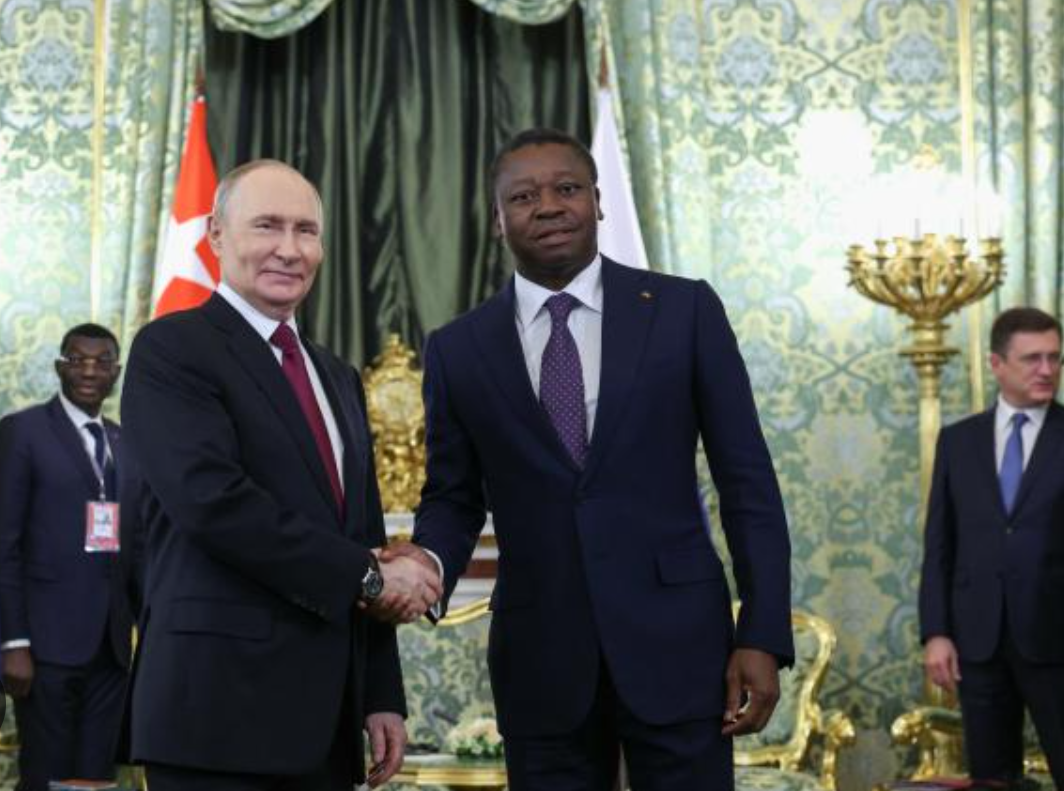
The northern regions of Togo are grappling with an escalating terror threat spilling over from the Sahel, yet the presence of foreign military and paramilitary forces on Togolese soil has ignited a fierce national debate. In a bold joint statement, opposition coalitions and civil society groups have turned their scrutiny toward the government of President Faure Gnassingbé, demanding transparency over opaque security arrangements.

united opposition pushes for answers on foreign military presence
In Lomé, political tensions are reaching a boiling point as a coalition of opposition factions—including the Dynamique Monseigneur Kpodzro, the Dynamique pour la majorité du peuple, the Lumière pour le développement dans la paix movement, and the Front « Touche pas à ma Constitution »—has broken its silence. Their collective statement zeroes in on the deployment of foreign troops, particularly in the Savanes region, a border area with Burkina Faso that has long been plagued by armed incursions.
The signatories argue that while security cooperation may be necessary, the government’s failure to disclose details about these foreign personnel—including their numbers, roles, and legal framework—amounts to a breach of national sovereignty. With no official response from authorities, civil and political groups are insisting on a transparent breakdown of the arrangements governing these foreign forces.
controversial partnerships under scrutiny: africa corps and sadat
The coalition’s concerns focus on two high-profile actors whose involvement in the region has drawn international attention.
Africa Corps, Moscow’s restructured security apparatus in Africa, is alleged to have deployed around 350 Russian personnel to Togo, though no official confirmation has been issued by Lomé, Moscow, or Ankara. Meanwhile, the Turkish private military firm SADAT—known for its ties to Ankara—is suspected of providing technical assistance, training, or operational support to local forces. The lack of verifiable data has fueled speculation about whether these teams are merely advisors, intelligence experts, or active combat units engaged in frontline operations.
sovereignty, legality, and the price of security
The opposition’s critique extends beyond the principle of foreign military assistance, highlighting critical gaps in governance and oversight.
Chain of command and legal compliance: The alliance insists that any foreign personnel must operate strictly under the authority of the Togolese Armed Forces (FAT) and adhere to national and international legal standards. Without clear chains of command, they warn, accountability becomes nearly impossible.
Civil liberties at risk: A major concern is the potential for foreign forces to be involved in domestic policing, surveillance, or intimidation of civilians and political figures. The opposition is demanding ironclad guarantees that these troops will not participate in any operations targeting citizens.
Financial transparency: Another unresolved question is the cost to the Togolese taxpayer. With no parliamentary debate or public disclosure on the budgetary impact of these security contracts, the coalition is calling for citizens to have a direct say in how public funds are spent.
government’s strategic pivot and unanswered questions
While Lomé has not yet responded to the opposition’s demands, President Gnassingbé’s government has been quietly expanding its defense partnerships over the past few years. A 2021 military cooperation agreement with Turkey led to the acquisition of Bayraktar TB2 combat drones, which have become a cornerstone of border surveillance. Concurrently, strengthened ties with Moscow have yielded military intelligence sharing, officer training programs, joint exercises, and access to logistical infrastructure.
These developments are now formally embedded in the Togo-Sahel Strategy 2026-2028, a government roadmap aimed at deepening security cooperation with foreign partners. The stated goal is to secure the country and stem the advance of jihadist groups toward the Atlantic coast. Yet, the absence of public clarity on these initiatives risks turning security policy into a flashpoint for domestic political friction.
the call for a national conversation
For civil society and opposition leaders, the issue of foreign military presence cannot be confined to closed-door military discussions. In a Sahel region marked by political turbulence and shifting alliances, transparency is not just desirable—it is essential for stability. They argue that an open parliamentary or public debate could dispel misinformation, clarify the legal basis for foreign interventions, and prevent security cooperation from becoming a source of internal division. For now, all eyes remain on the government, which faces mounting pressure to provide definitive answers.