
Gabon’s energy crisis: technicians finally have their say
For too long, the conversation regarding Gabon’s persistent water and electricity shortages has focused primarily on the symptoms: recurring blackouts, dry taps, and public frustration. However, a critical question remained ignored: have the experts who actually manage the infrastructure and navigate technical constraints been given a seat at the table?
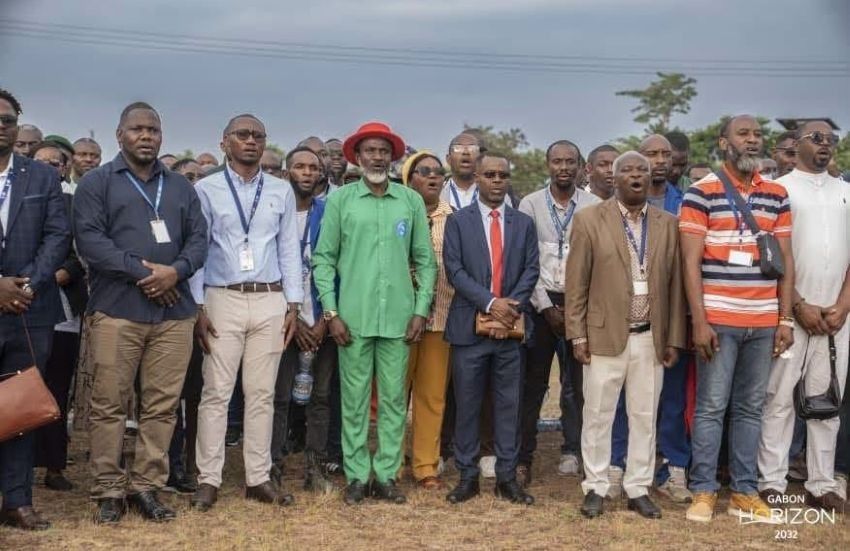
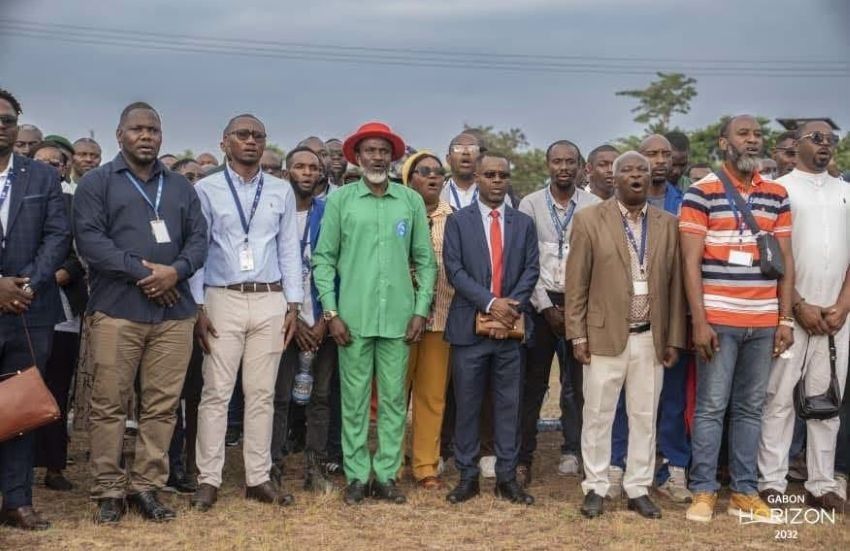
A recent meeting between President Brice Clotaire Oligui Nguema and SEEG staff at the Jean Violas Vocational Center in Owendo could signal a definitive shift in addressing this national emergency. Over the course of three hours, the Head of State listened to those who have dealt with the harsh realities of the field for years.
The feedback from these professionals was blunt. While aging equipment is a factor, a more systemic issue within the SEEG is the gradual exclusion of technical expertise from the core decision-making process.
Prioritizing technical insight in the diagnostic process
The testimonies provided highlighted a long-standing grievance among staff. Technicians frequently spot vulnerabilities, forecast risks, and suggest remedies, yet their professional advice is often sidelined during high-level strategic planning.
This internal disconnect mirrors a trend seen in various global industries. When management decisions drift too far from operational realities, minor issues snowball into structural failures. Industry analysts often point to the crisis at Boeing as a cautionary tale of administrative priorities overshadowing engineering integrity, whereas companies like Mercedes have historically thrived by ensuring engineers lead strategic choices.
Specialists in maintenance, water management, and electrical engineering described a framework where their specialized knowledge was not given its due weight in the hierarchy of command.
Water supply: a design and production challenge
The discussions also shed light on technical nuances often misunderstood by the public. Regarding the water crisis, staff clarified that the problem isn’t just about pipe bursts or old hardware; water pressure is a critical bottleneck. When production volumes drop, the pressure falls automatically, making it impossible for water to reach elevated areas or upper floors of buildings.
This struggle is intensified during the dry season. The current water source at the Ntoum river is subject to low water levels, which significantly diminishes the available flow and volume.
This technical reality raises a strategic point: why not use the current sector overhaul to consider a more robust intake system from the Kango river? Its water levels remain far more consistent and plentiful throughout the year. While such a transition would require massive capital investment, it aligns with the type of foundational infrastructure needed to support a developing nation.
Reform depends on technical competence
The upcoming establishment of Gabonaise des Eaux and Électricité du Gabon represents a landmark opportunity. The country has a rare chance to completely rebuild two vital utility providers from the ground up.
However, the transition will require more than just new machinery or funding. Its ultimate success depends on reinstating technical proficiency at the heart of the organization. The direct dialogue between the Head of State and the workforce proved that solutions are often already present within the company, held by the men and women who maintain and operate the grid every day.
The most vital takeaway from this exchange is clear. The organizations succeeding the SEEG must empower their engineers and specialists. While the state can provide the financing for infrastructure, only field-tested expertise and technical listening can ensure a reliable public service for the people of Gabon.