
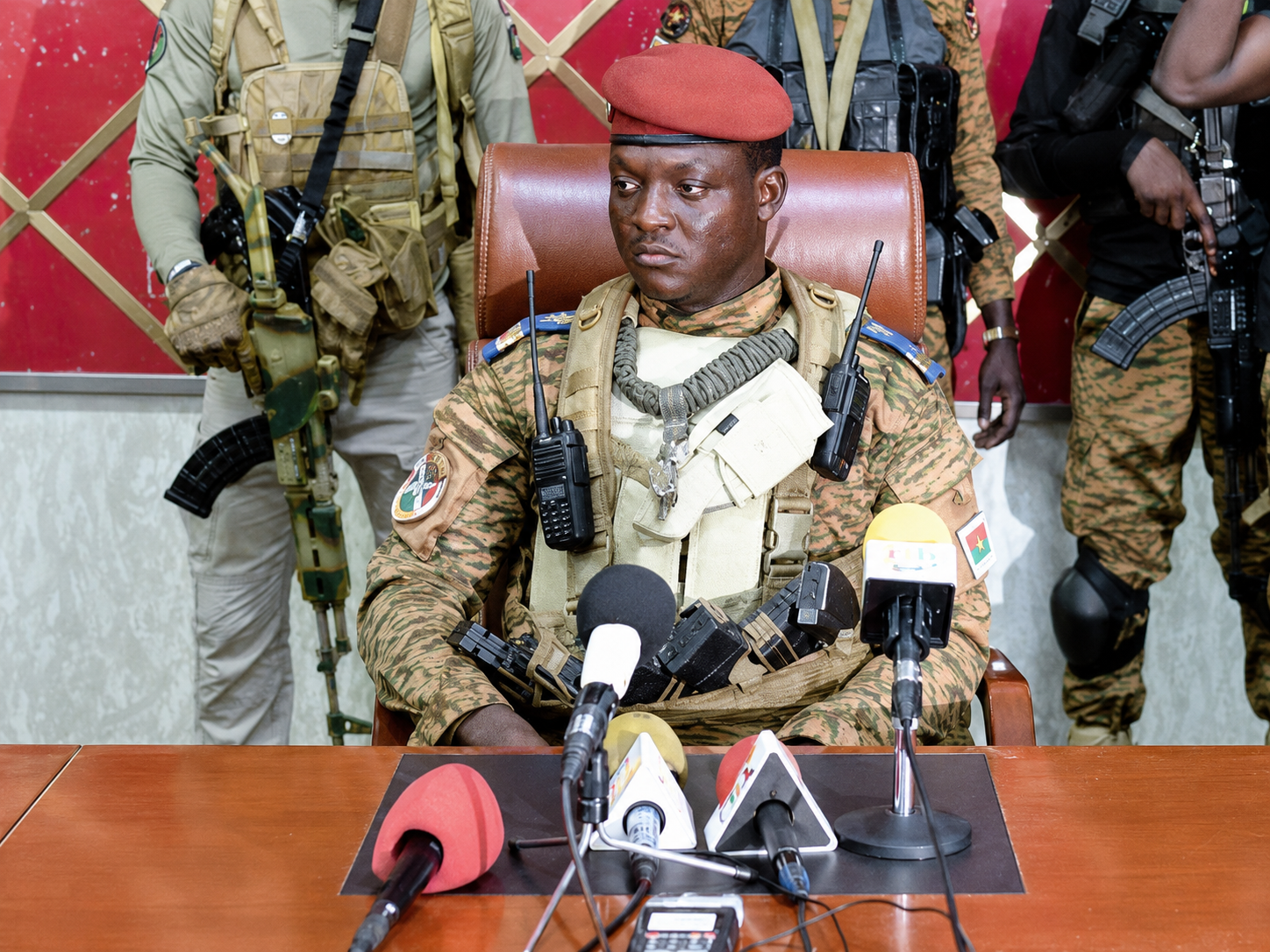
The ambush that reshaped Burkina Faso
On September 26, 2022, a military convoy carrying supplies to the besieged town of Djibo was ambushed near Gaskindé, in northern Burkina Faso. The attack, claimed by the Group for the Support of Islam and Muslims (Jama’at Nusrat al-Islam wal Muslimin, GSIM), an Al-Qaeda affiliate, resulted in at least 37 fatalities, including 27 soldiers, and left dozens wounded.
The scale of the tragedy was not merely humanitarian—it sent shockwaves through the nation’s political landscape. Just four days later, on September 30, 2022, Captain Ibrahim Traoré staged a coup against Lieutenant Colonel Paul-Henri Sandaogo Damiba. The rapid succession of events raised immediate questions about the circumstances surrounding the Gaskindé attack and its role in justifying the power transition.
An investigation cut short by political upheaval
In the hours following the ambush, military authorities announced the launch of internal probes to determine how a convoy could have been so precisely targeted. Key concerns emerged:
- the attackers’ exceptional level of preparation;
- their detailed knowledge of the convoy’s route;
- gaps in security arrangements;
- possible leaks or internal complicity.
These lines of inquiry pointed toward a potentially sensitive investigation implicating military personnel. However, the coup that ousted Damiba occurred before any public conclusions could be reached.
To this day, no official report has been made public to clarify the tragedy’s circumstances.
A silence that fuels doubt
In any state facing a major attack, expectations include independent inquiries, detailed reports, identification of responsibilities, and, where applicable, legal action. In the case of Gaskindé, these expectations have largely gone unmet. Three factors continue to fuel skepticism:
- the lack of official communication on investigative outcomes;
- the absence of public accountability for any internal failures;
- the absence of information for families seeking to understand how their loved ones died.
This lack of transparency fosters speculation and erodes trust between citizens and military institutions.
The politics of a tragedy
The Gaskindé attack became a central argument for the perceived failure of Damiba’s regime to restore security. Captain Traoré justified his takeover by citing the country’s deteriorating security situation. Yet a critical question remains: Why, once in power, did the new leadership not shed full light on an attack that had justified its rise?
If the coup aimed to correct past deficiencies, it could also have been the moment to establish accountability for Gaskindé, thereby restoring public confidence. Instead, the attack’s lingering ambiguities perpetuate a paradox: the very event that legitimized the regime change remains shrouded in uncertainty.
Transparency as a pillar of governance
Any authority that claims legitimacy through promises of rupture must also demonstrate transparency. Leadership is not merely about exposing past mistakes—it requires concrete answers to unresolved questions.
By failing to clarify the status of the Gaskindé investigation, the military leadership risks reinforcing a persistent critique: demanding accountability from predecessors while resisting the same scrutiny for itself. This pattern fosters suspicion and undermines institutional credibility.
Counterterrorism and internal vulnerabilities
History shows that armed groups often exploit internal weaknesses—flawed intelligence, corruption, infiltration, inter-agency rivalries, or command failures—to advance their agendas. Reducing Burkina Faso’s security crisis solely to external threats ignores these critical factors.
When a military convoy falls prey to such a well-coordinated ambush, the question of internal responsibility demands rigorous examination. Effective counterterrorism depends not only on operational excellence but also on the ability of institutions to identify and address their own shortcomings.
A resilient army is built on trust—between soldiers, their leadership, and the population. Trust eroded by unaddressed tragedies cannot endure.
The unmet demand for truth
Nearly four years after the attack, the Gaskindé case remains a sensitive issue in Burkina Faso’s political discourse. Families of the victims, soldiers on the front lines, and citizens alike deserve clarity on the events of that day.
Beyond political considerations, this is a matter of justice, remembrance, and public responsibility. No nation can build lasting stability on unresolved tragedies. The Gaskindé ambush will continue to haunt the national conscience until a credible, independent, and transparent inquiry provides definitive answers. Only then can the families find solace, and the institutions regain the trust they have lost since September 2022.