
Why Guinea’s president just fired 22 officials linked to illegal gold extraction
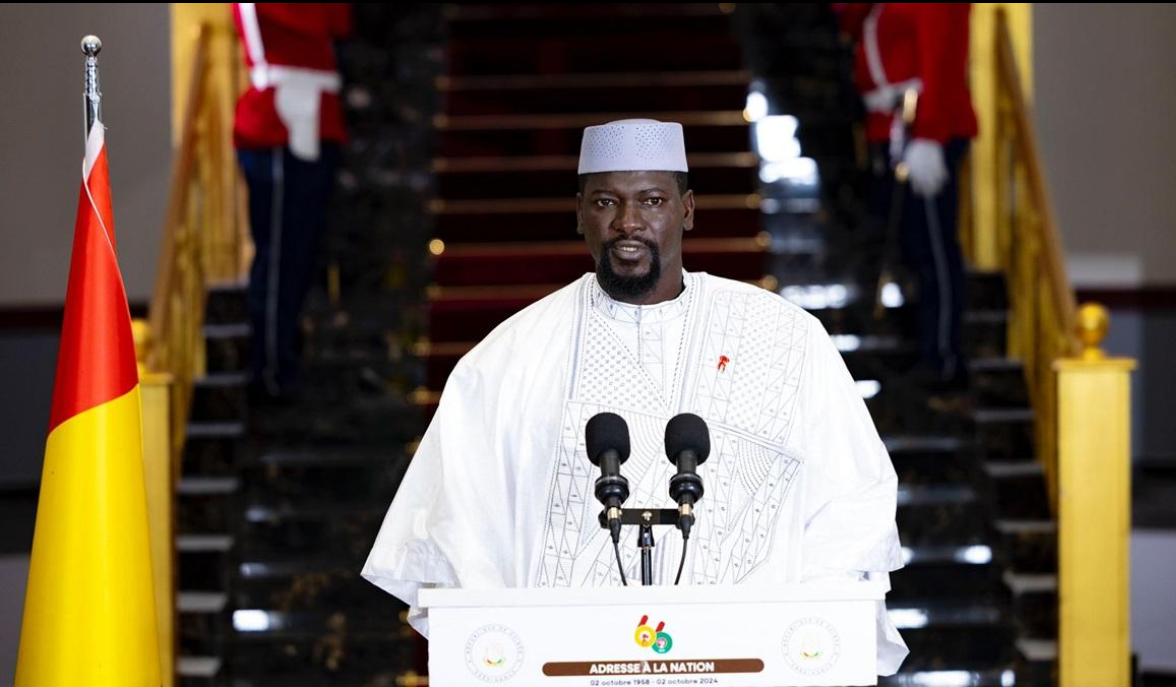
The Guinean government has fired 22 public and security officials, including the Prefect of Siguiri, Colonel Fayimba Mara, for alleged involvement in illegal gold mining and environmental damage. The decree, announced on national television on November 3, 2026, marks a critical moment in the state’s attempt to regulate artisanal mining while protecting fragile ecosystems in Haute-Guinée.
Siguiri’s crackdown: who were the 22 officials and what do they stand accused of?
All 22 sanctioned officials were operating in Siguiri, a gold-rich region where artisanal mining fuels local livelihoods but also drives land degradation and water pollution. The list includes:
- Captain Mohamed Lamine Keita, acting Prefect of Kintinian
- Captain Sory Camara, acting Prefect of Siguirini
- Commander Fodé Isaac Camara, Sub-Prefect of Niagassola
- Lieutenant-Colonel Pépé Doualamou, Sub-Prefect of Bankon
- Naman Kourouma, Sub-Prefect of Kiniébakoura
- Abou Kanté, Sub-Prefect of Norassoba
- Richard Yaradouno, Sub-Prefect of Naboun
These officials face allegations of enabling clandestine gold panning, illegal licensing, and environmental violations that threaten soil fertility, river systems, and public health.
How does illegal gold mining threaten Guinea’s environment and people?
Artisanal and illegal gold mining in Guinea’s auriferous zones has led to:
- Widespread destruction of arable land
- Heavy metal contamination of water sources
- Loss of fish stocks and biodiversity
- Use of toxic chemicals like mercury and cyanide
- Increased conflict between miners, communities, and local authorities
These environmental crimes not only worsen food insecurity but also poison drinking water, disproportionately affecting rural populations.
Who is enforcing the crackdown? A multi-ministerial response
The presidential decree is being enforced across multiple ministries:
- Territorial Administration and Decentralization
- National Defense and Civil Protection
- Justice and Human Rights
- Employment and Social Protection
- Public Service Modernization
This coordinated effort underscores the government’s determination to dismantle corrupt networks that facilitate illegal mining operations. Yet, the real test lies in long-term enforcement and prosecution.
Nimba Gold Refinery: Guinea’s golden leap toward local transformation
Just two days before the sanctions were announced, President Mamadi Doumbouya inaugurated the Nimba Gold Refinery (NGR) in Conakry. As Guinea’s first industrial gold refinery, it aims to:
- Process locally mined gold on site
- Reduce reliance on raw material exports
- Increase revenue through value addition
- Support job creation and industrial growth
- Align with the Simandou 2040 economic program
The refinery represents a strategic shift toward economic sovereignty and sustainable resource management.
Can sanctions and industrialization coexist in Guinea’s gold sector?
The simultaneous rollout of harsh administrative penalties and the launch of a major industrial refinery reflects a dual strategy:
Enforcement: Eliminate corruption and illegal exploitation through disciplinary action.
Development: Channel gold revenues into national infrastructure and industrial capacity.
Yet, success hinges on several factors:
- Transparent monitoring of mining sites
- Effective prosecution of perpetrators
- Community-based alternatives to artisanal mining
- Strong environmental safeguards
The real challenge now is ensuring that regulatory rigor does not stifle the very communities that depend on gold panning for survival.
The road ahead: balancing control, conservation, and livelihoods
Guinea stands at a crossroads. The firing of 22 officials signals a new era of zero tolerance for illegal mining, but it must be followed by:
- Sustainable economic alternatives for miners
- Rigorous environmental monitoring and restoration
- Clear legal frameworks for artisanal miners
- Public education on safe and compliant mining practices
Only then can Guinea transform its gold wealth into a driver of inclusive and sustainable development.