
After a historic congressional shift, what levers remain in Trump’s foreign policy toolkit?
The American public has spoken, and the message delivered at the ballot box on November 3, 2026, is as clear as it is consequential. Democrats swept both chambers of Congress, handing Donald Trump—now in his second term—a stinging rebuke that echoes far beyond Washington. While the president retains significant executive authority, the new congressional landscape is poised to reshape the trajectory of U.S. foreign policy in ways that could either constrain or intensify existing global tensions.
The midterm results raise a pressing question: can the president maintain control over America’s international strategy, or will the opposition force a reckoning on key issues such as Iran, Ukraine, and transatlantic alliances?
Congress gains newfound oversight—and Trump’s room to maneuver shrinks
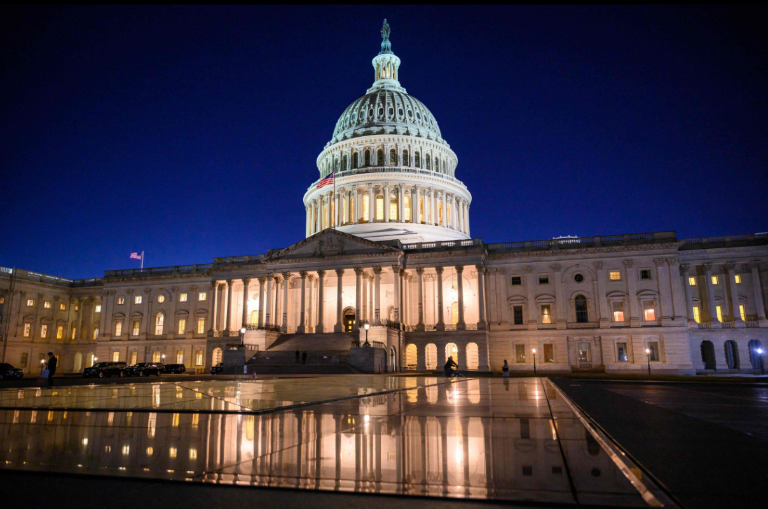
The transition of power in the Senate and House of Representatives represents more than a political setback for Trump; it signals the return of robust congressional oversight, a mechanism the president has largely sidestepped since regaining office. With Democrats in control come January 2027, the administration will face heightened scrutiny over military funding, diplomatic appointments, and foreign interventions—tools that could either stymie Trump’s agenda or force greater transparency.
While executive power remains intact—including the role of commander-in-chief and veto authority—Congress now holds the purse strings. This balance of power could lead to legislative gridlock, particularly on issues where Trump has demonstrated a willingness to bypass traditional diplomatic channels. The stage is set for a high-stakes clash between the White House and Capitol Hill, one that may erode the coherence of U.S. foreign policy in the eyes of global observers.
Iran: a conflict that could expose the limits of Trump’s military strategy
The prolonged confrontation with Iran has been a defining feature of Trump’s second term, but the unchecked expansion of military intervention without congressional consultation has fueled public and political dissent. The new Democratic majority is likely to pursue measures aimed at curbing defense spending tied to the conflict, demanding greater accountability for operations, and potentially restricting the administration’s ability to escalate hostilities.
Yet Congress lacks the unilateral power to terminate an ongoing military campaign, leaving Trump with a fragile advantage. For adversaries like Iran, the congressional shift may signal growing internal divisions within the U.S., creating an opening to exploit perceived weaknesses in America’s resolve.
Ukraine and Europe: a glimmer of hope for transatlantic cooperation?
For Europe, the midterm outcome offers a cautious sense of relief. Trump’s tenure has upended long-standing alliances, straining relations with NATO partners and introducing unpredictability into U.S. commitments. The Democratic victory raises the prospect of renewed congressional support for Ukraine, stronger transatlantic collaboration, and a potential return to more predictable diplomatic engagement.
However, the president’s authority in foreign negotiations remains unchallenged. While Congress can advocate for policy changes, the ultimate decisions rest with the White House. Europe may find willing partners in the legislature, but without a guarantee of alignment with the administration’s vision, the path forward remains uncertain.
Trade wars and economic leverage: can Congress rein in Trump’s tariff policies?
Trade policy has been a flashpoint throughout Trump’s presidency, with tariffs triggering economic strain and diplomatic frictions worldwide. The new congressional majority is expected to intensify scrutiny of these measures, seeking to mitigate their impact on global supply chains and consumer prices. Yet the executive’s authority over trade negotiations and tariff imposition limits Congress’s ability to force rapid change.
This dynamic underscores a broader truth: while the midterm results signal a shift in political winds, they do not automatically translate into a realignment of U.S. foreign policy. The president’s ability to act unilaterally ensures that dramatic reversals remain unlikely—at least for now.
A fractured superpower: the global fallout of Washington’s political divide
The midterm elections mark a turning point not just for American politics, but for the country’s standing on the world stage. With the 2028 presidential election looming, Trump enters a precarious period where his domestic vulnerabilities could spill over into foreign affairs. Allies and adversaries alike are left to interpret the implications of a United States increasingly divided against itself—a nation whose military and economic might remains formidable, but whose capacity to project unity and coherence is increasingly in question.
In an era defined by geopolitical rivalries and shifting alliances, the outcome of the 2026 midterms may well prove to be a defining moment. The world watches as America grapples with the consequences of its own political fractures, and the ripples of this internal struggle are poised to reshape global power dynamics for years to come.