When open-source intelligence becomes a cybersecurity paradox
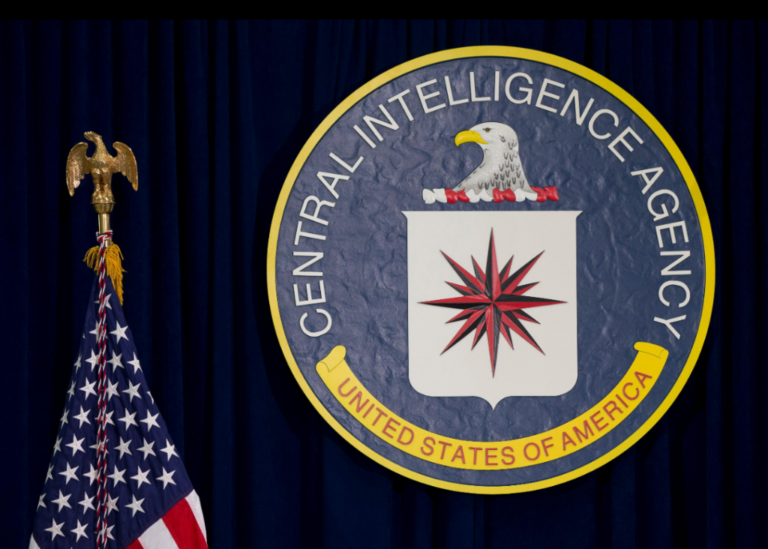
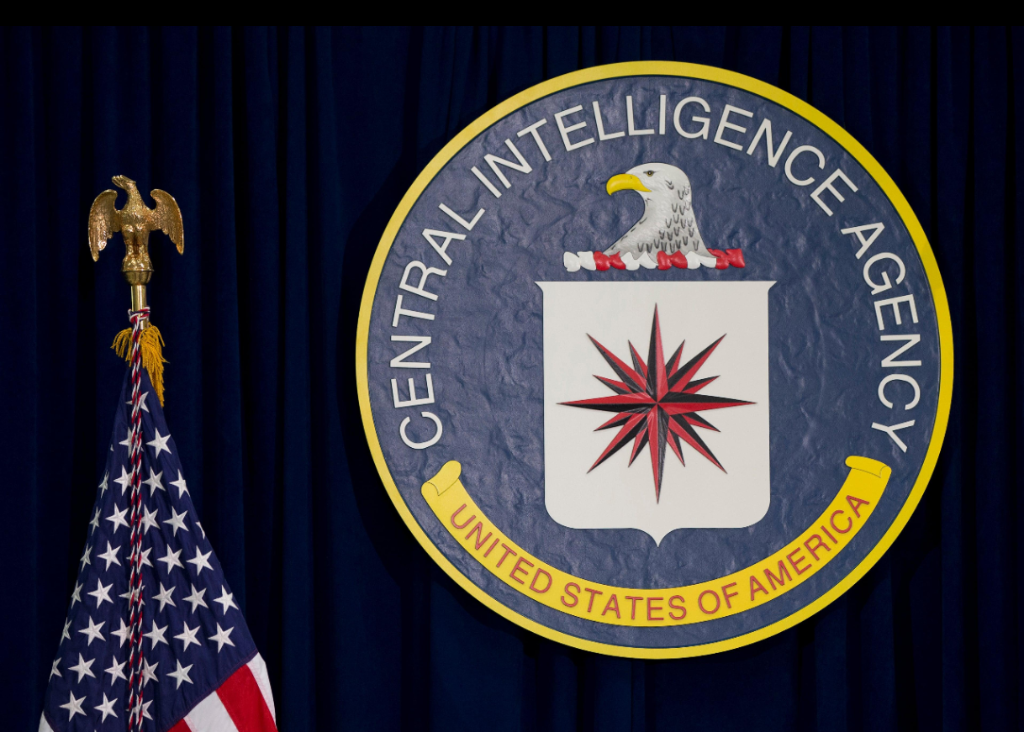
Is the US intelligence community’s reliance on unclassified open-source intelligence (OSINT) creating an invisible vulnerability that adversaries are now exploiting? A recent cyber intrusion targeting a non-classified CIA system has raised urgent questions about the security of America’s intelligence-gathering operations. While classified networks remain untouched, the breach exposes a critical paradox: how can intelligence agencies maintain operational connectivity while securing systems that must interact with external data sources?
What exactly was compromised in the CIA’s OSINT system?
The targeted system serves as the backbone of the Central Intelligence Agency’s OSINT operations, processing vast quantities of publicly available and commercially sourced data. This includes:
- Social media feeds and online publications
- Commercial databases and geospatial intelligence platforms
- Satellite imagery and economic monitoring tools
- Public records and industry reports
Unlike classified intelligence, these data points are intentionally unclassified. Yet their strategic value lies in their ability to provide contextual awareness of global developments, foreign military activities, and emerging geopolitical trends. When this system was breached, it wasn’t just data that was exposed—it was the very analytical priorities and operational blind spots of US intelligence.
Why non-classified systems matter in modern intelligence
OSINT has become indispensable to intelligence operations, filling critical gaps between classified sources. While spy satellites and intercepted communications provide highly sensitive information, OSINT offers the breadth needed to connect the dots. A sudden surge in social media activity might reveal an impending crisis before classified channels catch up. The CIA’s compromised system likely contained traces of these analytical patterns—revealing what the agency was watching, where, and why.
Classified networks spared, but OSINT exposure still dangerous
Following the breach, US officials moved quickly to downplay its significance. According to briefings, no classified systems were affected, and the intrusion was contained. Yet the absence of a detailed technical assessment leaves critical questions unanswered: How long did the attackers have access? What specific datasets were accessed? Were analytical patterns or source methodologies compromised?
The silent damage of OSINT exposure
Even without classified data theft, the breach represents a strategic intelligence failure. Adversaries gaining insight into US analytical priorities can:
- Anticipate American intelligence focus areas
- Identify geographical hotspots under surveillance
- Reverse-engineer collection methods
- Disrupt or manipulate open-source data feeds
This isn’t about stolen secrets—it’s about stolen insights into how America’s intelligence community makes sense of the world.
Who exploited this OSINT vulnerability—and why?
The attack’s origins remain officially unconfirmed, creating a fog of cyber uncertainty. Possible perpetrators range from:
- State-sponsored hackers: Nations like Russia, China, or Iran have sophisticated cyber capabilities and strategic interest in disrupting US intelligence operations.
- Cybercriminal syndicates: While financially motivated, some groups may sell OSINT insights to foreign governments or sell access to the compromised system.
- Independent operators: Skilled hackers acting for ideological or personal gain could have exploited this opportunity.
What’s certain is that the attackers understood the system’s value. OSINT tools are designed to be accessible—connecting to external data sources is their core function. This accessibility, while operationally necessary, creates an inherent security challenge.
America’s larger cyber dilemma: protecting openness in security
This incident isn’t isolated. Recent months have seen:
- FBI databases: Suspected intrusions into national criminal information systems
- USDA networks: Cybersecurity disruptions affecting agricultural infrastructure systems
- NSA classified systems: Temporary outages in secure communication networks (attributed to technical updates rather than attacks)
The critical OSINT question facing US intelligence
How do you secure a system that must remain connected to the outside world? OSINT tools require constant data ingestion from public and commercial sources. This creates an unavoidable security paradox: the more useful the system is for intelligence gathering, the more vulnerable it becomes to exploitation.
The CIA’s breach demonstrates that America’s intelligence infrastructure faces a new kind of threat—not just attacks on classified networks, but systematic targeting of the tools that make modern intelligence possible. As investigations continue, one question looms largest: can the US intelligence community afford to disconnect its OSINT systems to protect them—and if so, what operational intelligence will it sacrifice in the process?
Strategic implications: What’s really at stake beyond the breach
The immediate technical damage may be contained, but the strategic implications are far-reaching. This incident reveals three critical weaknesses in America’s intelligence apparatus:
- Operational transparency risk: Adversaries can now glimpse the analytical patterns that guide US intelligence priorities.
- Methodological exposure: Source selection and data processing methods may have been compromised, allowing manipulation of future intelligence streams.
- Resource allocation blind spots: Knowing what the CIA was watching—and equally important, what it wasn’t—gives adversaries asymmetric advantage in planning their own operations.
The way forward for US intelligence cybersecurity
As the investigation unfolds, intelligence agencies face a daunting challenge: modernize OSINT capabilities while hardening their digital perimeter. Solutions may include:
- Zero-trust architecture: Implementing strict access controls even within ostensibly ‘safe’ unclassified systems
- Behavioral analytics: Monitoring for anomalous data access patterns that deviate from normal analytical workflows
- Decentralized intelligence processing: Moving critical analysis functions behind additional security layers while maintaining OSINT data ingestion
- Third-party risk management: Scrutinizing commercial data providers and their security postures more rigorously
The CIA’s OSINT breach serves as a wake-up call: in the digital age, even unclassified systems can become strategic vulnerabilities. The question isn’t whether this will happen again—it’s how the US intelligence community will adapt before the next attack exploits a different weak link in its vast digital ecosystem.