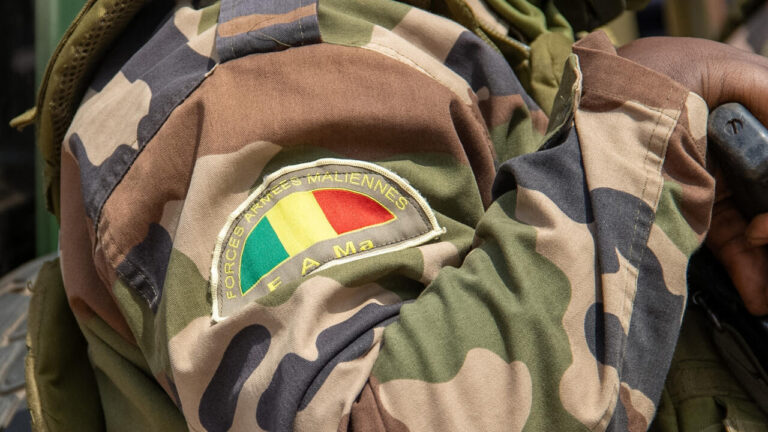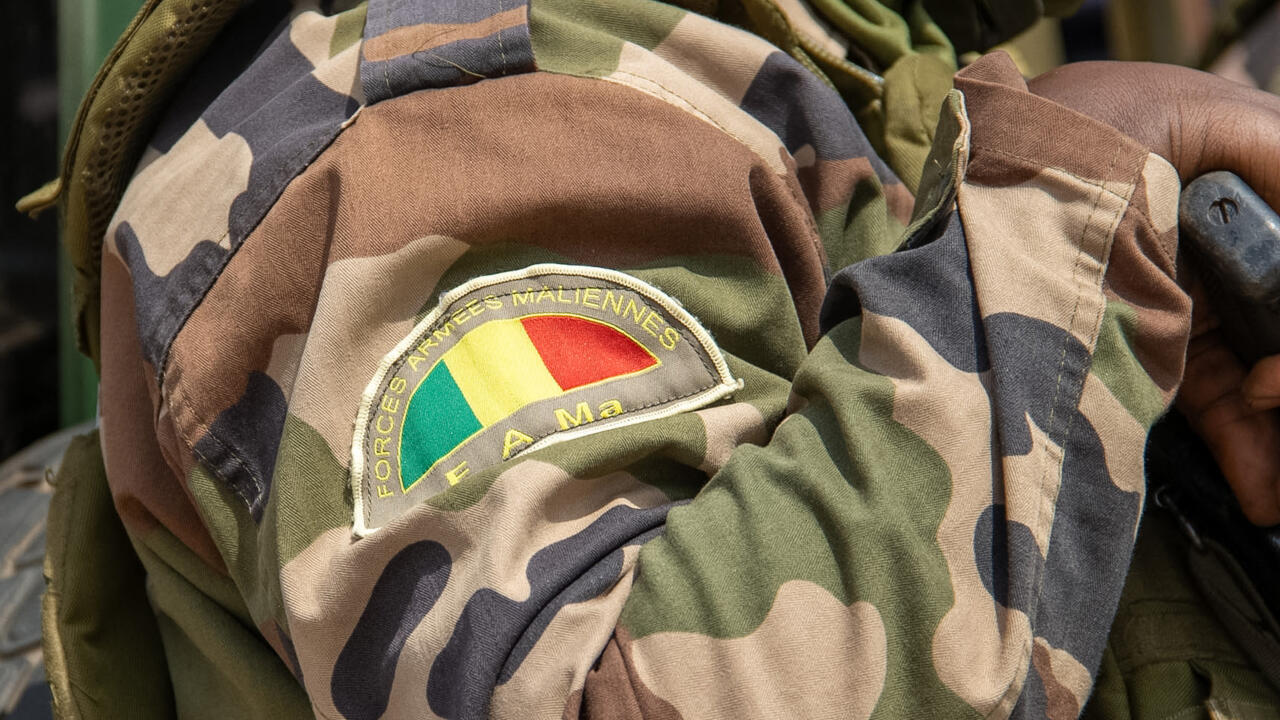
The military regimes of Mali, Burkina Faso, and Niger are facing an alarming escalation in jihadist violence, despite relentless counterterrorism operations. Now, a landmark report from the International Crisis Group (ICG) suggests that these governments may need to explore negotiations with the Jama’at Nusrat al-Islam wal Muslimin (JNIM), the Al-Qaeda-linked coalition waging war across the region. But is diplomacy still viable when JNIM has openly called for the overthrow of these very regimes?
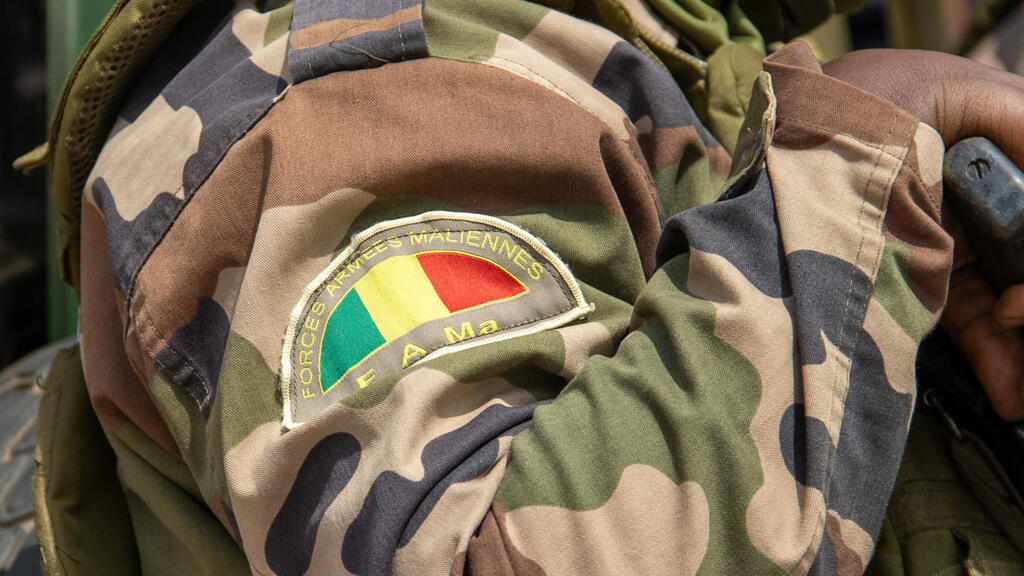
Why the ICG is pushing for dialogue now despite rising tensions
The ICG’s November report frames this moment as a critical turning point for the Alliance of Sahel States (AES). While military offensives have failed to curb jihadist gains, the group argues that a carefully structured dialogue could create pathways to reduce violence, prevent further civilian displacement, and stabilize economies teetering on collapse. But the feasibility of such talks is deeply questioned when JNIM’s rhetoric continues to reject compromise with the current leadership.
The stakes could not be higher. In recent months, civilian casualties have surged, local economies in border regions have been decimated by blockades, and the humanitarian crisis has reached catastrophic levels. The report emphasizes that without a shift in strategy, the AES nations risk a prolonged conflict with no clear end in sight.
A tough path forward: can the AES reconcile military action with diplomacy?
The ICG’s proposal is not without controversy. Critics argue that engaging with a group that has sworn to topple the regimes is tantamount to surrender. Yet, the report counters that selective negotiations—such as ceasefires in specific regions or prisoner exchanges—could serve as confidence-building measures, potentially reducing violence even among hardline factions within JNIM.
Key points of the ICG’s argument:
- Localized ceasefires: Temporary truces in less contested areas could allow for the delivery of humanitarian aid and restore some semblance of normalcy.
- Prisoner swaps: Releasing captured combatants may weaken JNIM’s morale while strengthening the negotiating position of the AES governments.
- Channeling political grievances: Addressing underlying issues such as marginalization and lack of governance in rural areas could weaken the appeal of jihadist ideologies.
- International mediation: Involving neutral third parties, such as the African Union or regional blocs, could provide a necessary buffer to facilitate talks.
The report warns that rejecting dialogue outright could prolong the conflict indefinitely, with devastating consequences for millions of civilians already struggling under the weight of displacement and economic collapse.
The human and economic toll of continuing the status quo
The humanitarian fallout from the ongoing conflict is staggering. Over the past year, millions of people in the Sahel have been displaced, with many living in makeshift camps under dire conditions. Food insecurity has reached emergency levels in several regions, and access to healthcare and education has been severely disrupted. The economic impact is equally severe, with trade routes disrupted, businesses shuttered, and foreign investment plummeting.
The report highlights that the economic cost of continuing military operations alone is unsustainable for the AES nations, particularly as they face international isolation and reduced foreign aid. Diversifying strategies to include diplomatic efforts could offer a more sustainable path forward, even if it requires difficult compromises.
What happens next? Challenges and potential outcomes
For dialogue to have any chance of success, both sides would need to demonstrate flexibility—a significant hurdle given the entrenched positions. JNIM’s leadership has so far shown little inclination to engage in talks, while the AES governments remain publicly committed to military solutions. However, the ICG suggests that behind-the-scenes channels, possibly involving intermediaries, could open doors for indirect negotiations.
Potential outcomes include:
- Limited truces: Short-term ceasefires that allow for humanitarian access and local stabilization.
- Incremental confidence-building: Small-scale agreements that could pave the way for larger discussions.
- Long-term fragmentation: If talks fail, the conflict could splinter into smaller, more localized insurgencies, making it even harder to contain.
- Regional spillover: If the violence escalates, neighboring countries like Benin, Togo, and Ghana could face increased instability.
The ICG’s report serves as a stark reminder that military solutions alone are not a sustainable path forward. For the people of the Sahel, the consequences of inaction—or the wrong kind of action—could be catastrophic.