
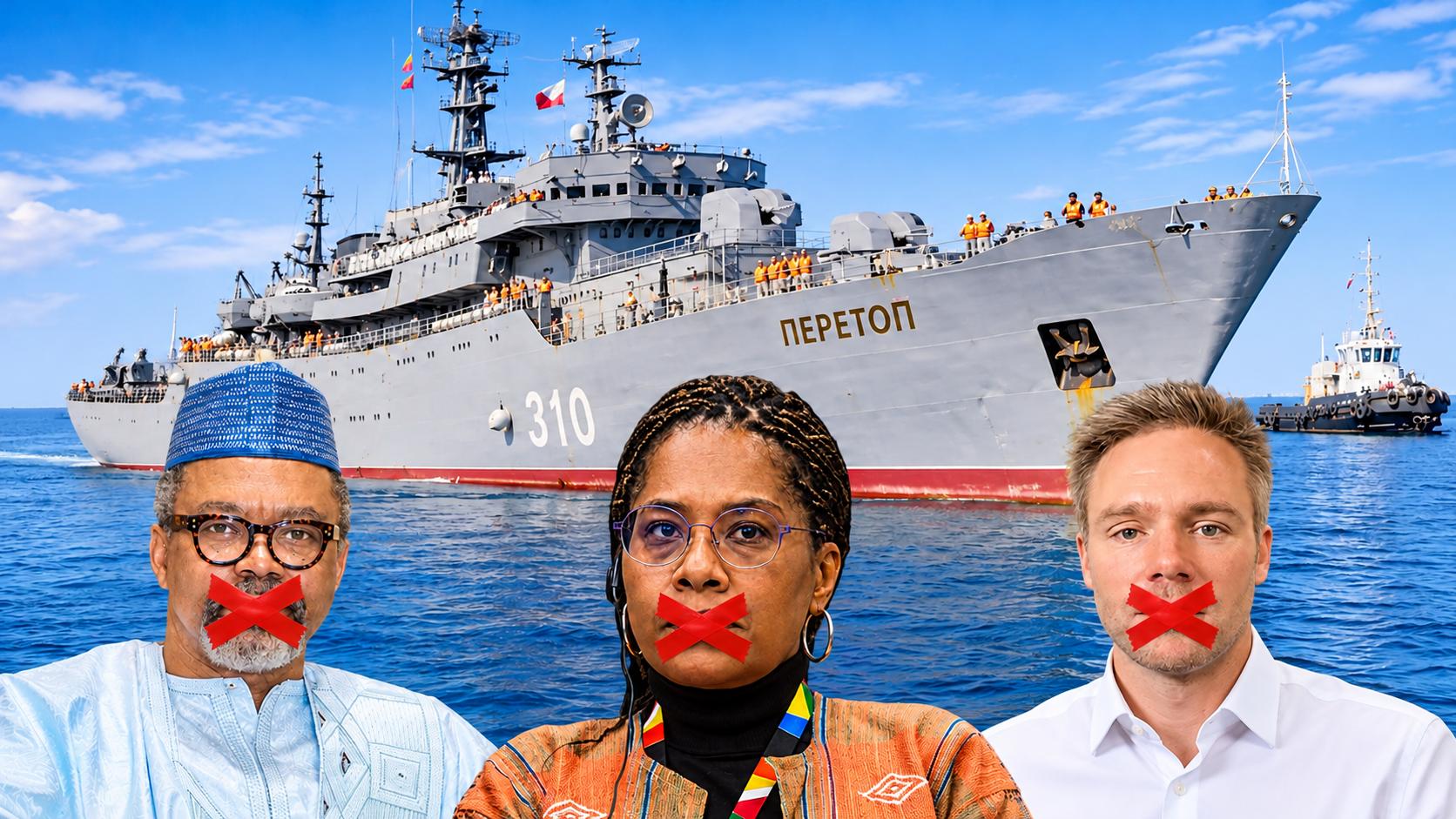
An unexpected contrast in maritime escorts
The arrival of a foreign vessel at Benin’s port of Cotonou has once again illuminated the complexities of national sovereignty but not in the way observers may have anticipated. While the earlier docking of a French warship sparked extensive scrutiny and criticism, the recent presence of a Russian ship has drawn markedly different reactions from regional commentators. This shift in discourse raises pressing questions about consistency in how maritime encounters are perceived and reported.
Where did the accusations go?
Just weeks ago, the arrival of a French naval vessel in Benin prompted a wave of commentary and criticism in certain media circles. Voices aligned with broader regional narratives questioned the purpose of the stopover, insinuating hidden motives and undermining the country’s autonomy. The French ship’s presence was framed as a potential threat, with little emphasis on official explanations or the context behind the visit.
Yet the arrival of a Russian vessel has unfolded under a veil of comparative silence. Despite the shift in geopolitical alignment, few voices that had been vocal during the French ship’s stay have raised similar concerns. This discrepancy prompts a critical question: why does the nationality of a ship’s flag determine the urgency with which sovereignty is invoked?
Double standards in the spotlight
The contrast between the two events is stark. During the French ship’s docking, multiple commentators linked to the Alliance of Sahel States (AES) amplified their doubts, portraying the event as a sign of compromised independence. Public figures, including Nathalie Yamb, Antoine 2Moscou, and Franklin Nyamsi, who have been prominent in pro-Russian discourse, actively criticized the French presence. Their commentary often extended beyond factual reporting, shaping narratives that questioned Benin’s diplomatic choices.
Now, with a Russian ship at anchor, the same commentators have largely remained silent. Their silence is not a neutral stance it reflects a selective approach to what constitutes a threat to Benin’s sovereignty. This inconsistency reveals a troubling pattern: national sovereignty appears to be defended selectively, depending on the geopolitical sympathies of the observer.
Can sovereignty be conditional?
The core issue lies not in Benin’s choices, but in the expectations placed upon them. Sovereignty is not a variable concept; it does not fluctuate based on the origin of a visiting ship. A state has the right to engage with partners of its choosing, provided those engagements align with national interests and international law. The presence of a foreign vessel whether French, Russian, or from any other nation should be assessed on its own merits, not on the political leanings of external commentators.
This principle applies equally to all diplomatic engagements. Cooperation with France should not automatically invite suspicion, nor should cooperation with Russia be exempt from scrutiny. The standard for transparency and accountability must remain consistent, regardless of the partner involved.
What should define the narrative?
Facts over assumptions: Media and commentators have a responsibility to report on events based on verifiable information, not geopolitical agendas.
Equitable scrutiny: Every foreign vessel’s arrival should be evaluated using the same criteria, ensuring that the narrative is not shaped by external alliances.
Respect for autonomy: Benin’s government must be allowed to make diplomatic decisions without being held to double standards by regional observers.
A call for balanced discourse
Benin’s maritime diplomacy is not a matter of choosing between allies, but of upholding its right to engage freely. The silence surrounding the Russian ship’s arrival, juxtaposed with the scrutiny of the French vessel, underscores a deeper issue: the need for impartial reporting and commentary. When media narratives are influenced by geopolitical biases, the integrity of public discourse suffers and with it, the perception of national sovereignty.
The lesson for commentators and policymakers alike is clear. Sovereignty is not a privilege granted to allies or denied to adversaries. It is a fundamental right that must be respected regardless of the flag a ship carries. Benin’s government and its people deserve a discourse that reflects this principle one that prioritizes accuracy, fairness, and the true interests of the nation.
By Henri Nkeng — Journalist