
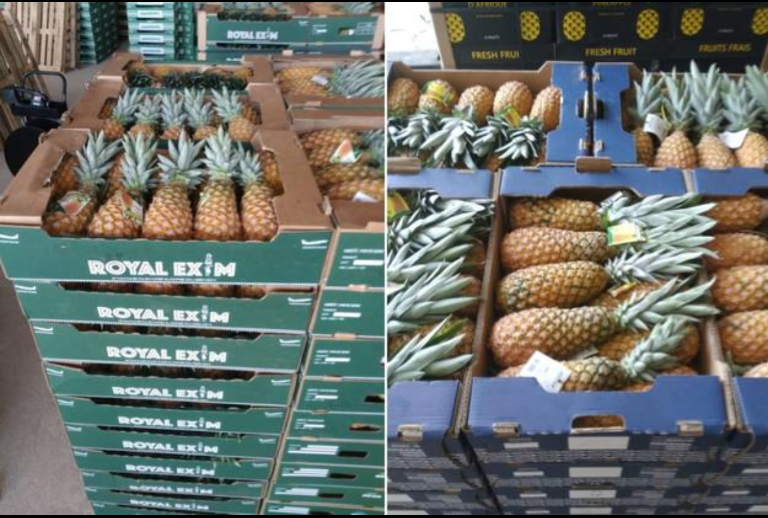
With Benin’s exports to the UK soaring by 62.5% in just one year, the question now is whether this momentum can reshape the West African nation’s economic trajectory. The latest data from the UK’s Department for Business and Trade reveals exports reaching £13 million, a stark contrast to the modest growth in bilateral trade overall. Yet, this achievement—driven primarily by agricultural products—highlights both opportunity and challenge for Benin’s trade ambitions.
What’s driving the 62.5% leap in Beninese exports?
The surge in exports is largely attributed to a remarkable 400% increase in merchandise shipments, with agricultural products taking center stage. Fresh produce now accounts for £5.2 million of Benin’s sales to the UK, signaling a growing appetite for West African goods in European markets. This performance underscores the untapped potential of Benin’s agricultural sector, particularly fruits and vegetables, which are carving out a niche in competitive international trade.
For local farmers and exporters, this shift presents a golden opportunity. The ability to meet stringent UK market standards—ranging from sanitary norms to product traceability—could pave the way for even greater market penetration. However, sustaining this growth will require addressing persistent challenges, such as improving storage infrastructure and optimizing transport costs to maintain competitiveness.
Is the UK still Benin’s dominant trade partner?
Despite the export surge, the balance of trade remains overwhelmingly skewed in the UK’s favor. While Benin’s exports to the UK surged to £13 million, British exports to Benin totaled £54 million, reflecting a 6.9% decline. This disparity leaves a £41 million trade deficit for Benin, a gap that the 62.5% growth has yet to close. The contrast between the two trends—rapid Beninese export growth versus a decline in UK sales to Benin—suggests a shifting dynamic in the commercial relationship between the two nations.
For Benin, the immediate challenge is to leverage this export momentum to reduce its reliance on traditional markets and diversify its trade portfolio. Strengthening local value chains, such as enhancing food processing capabilities, could help capture higher margins and reduce exposure to price fluctuations in raw agricultural exports.
What’s next for Benin’s trade strategy with the UK?
The path forward for Benin will depend on its ability to transform short-term gains into long-term trade advantages. With the UK holding just a 1.3% market share in Benin and Benin ranking as the UK’s 169th largest trading partner, there’s significant room for expansion. However, capitalizing on this potential will require more than just agricultural exports. Diversifying into higher-value sectors, such as processed foods or textiles, could broaden Benin’s appeal in the UK market.
Another critical factor is improving trade logistics. Efficient supply chains, reliable cold storage, and streamlined customs processes are essential to meet the demands of a sophisticated market like the UK. Without these improvements, even the most promising export growth could stall.
Ultimately, Benin’s export surge to the UK is a promising start, but the real test lies in maintaining this trajectory. By addressing structural challenges and broadening its export base, Benin can turn this fleeting opportunity into a cornerstone of its economic strategy.
Key takeaways for businesses and policymakers
- Opportunity for growth: The 62.5% increase in exports demonstrates Benin’s potential to compete in international markets, particularly in agriculture.
- Challenges ahead: Meeting UK standards, improving infrastructure, and diversifying exports are critical to sustaining this progress.
- Trade balance dilemma: While exports are rising, the trade deficit persists, highlighting the need for a more balanced commercial relationship.
- Long-term vision: Transforming raw material exports into value-added products could unlock new revenue streams and strengthen Benin’s position in global trade.