
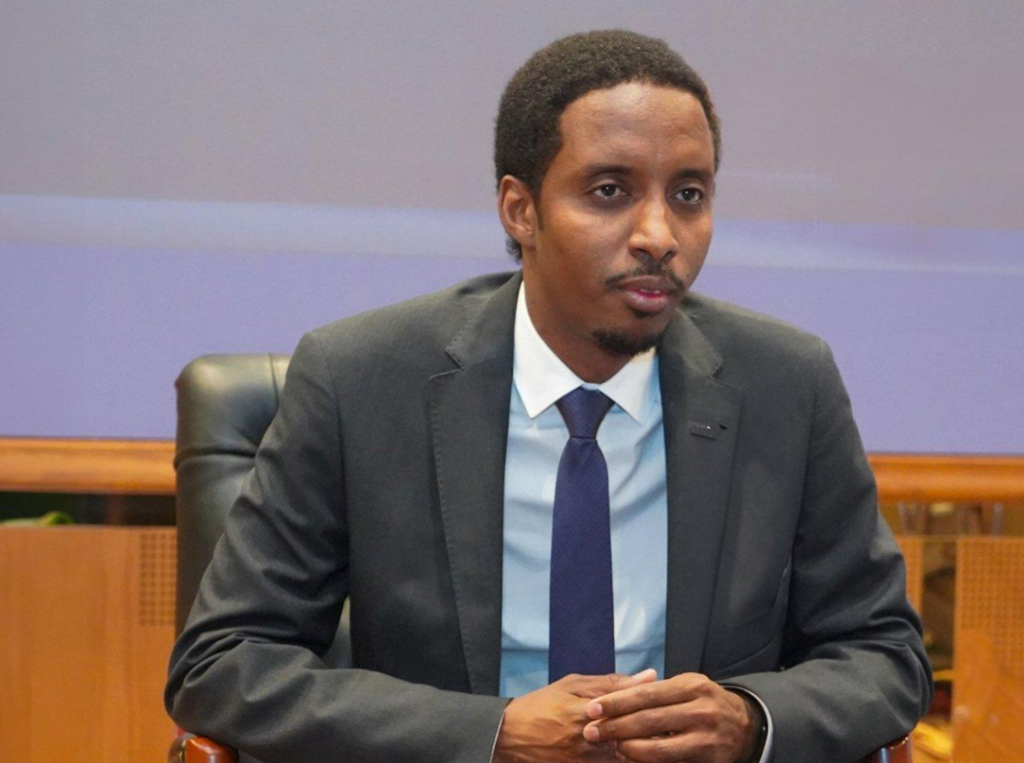
The government of Chad has forcefully rejected allegations that it was involved in a strike against Niger. Speaking on behalf of N’Djamena, government spokesperson and Minister Gassim Chérif Mahamat demands that Niamey release the evidence behind its accusations and reminds that Chad has repeatedly warned Niger about armed rebel groups operating from its territory.
Chad’s categorical rebuttal: no evidence, no responsibility
The tone from N’Djamena is uncompromising. Government officials have denied any involvement—direct, indirect, or tacit—in the alleged military action against Niger. They argue that serious accusations of this nature cannot stand without verifiable proof. Minister Mahamat’s statement is unambiguous: Chad has not participated in any such operation and will not accept responsibility for actions it did not commit.
The government’s position is not just a denial. It shifts the burden of proof to the accuser. N’Djamena insists that public declarations alone cannot establish state responsibility in a military incident. Therefore, it calls for the release of concrete evidence—material, technical, or otherwise—that would allow for an objective and transparent assessment of the claims.
What kind of evidence is Chad demanding?
Chad is not merely asking for vague assertions. It is demanding access to detailed, verifiable information that can withstand scrutiny. This includes:
- The nature of the alleged evidence (e.g., satellite imagery, radar data, intercepted communications)
- The reliability and source of the information
- The timeline and chain of custody of the proof
- Independent verification methods to assess authenticity
Without such details, N’Djamena argues, the accusations risk fuelling speculation and undermining regional stability. The demand for transparency is not just procedural—it is strategic, aimed at preventing a diplomatic spiral that could destabilize an already fragile security environment.
Rebel groups and cross-border threats: the backdrop ignored by accusations
Chad has long raised alarms about armed rebel factions operating from Niger’s territory. According to N’Djamena, these warnings have been communicated repeatedly over the past four years. The government highlights that such groups pose a direct threat to its national security, and that it has sought Niamey’s cooperation to address the issue.
This context is crucial. While the strike allegations center on a specific incident, the recurring issue of cross-border rebel activity adds depth to Chad’s concerns. By invoking this history, N’Djamena is framing the current accusations within a broader pattern of insecurity—one that demands collective action rather than isolated blame.
Could unproven claims escalate into a full-blown crisis?
The absence of public evidence has created a vacuum. Without verifiable facts, accusations can harden into entrenched positions, making dialogue increasingly difficult. Chad’s insistence on proof is also a call to de-escalate. By placing the onus on Niger to substantiate its claims, N’Djamena is signaling that it will not tolerate baseless insinuations that could poison bilateral relations.
Yet, the risk remains: if neither side can produce conclusive evidence, the impasse could deepen. Diplomatic channels may narrow, and trust—already fragile—could erode further. The key to preventing this outcome lies in transparency. If Niger releases the evidence it claims to possess, the allegations could either be validated or debunked. If not, the accusations risk lingering as unanswered questions, feeding distrust and suspicion.
What’s next: dialogue or division?
The ball is now in Niger’s court. Will it provide the evidence demanded by Chad? Will both governments engage in a structured dialogue to address the root causes of their tensions? The answers will shape not only their bilateral relationship but also regional security dynamics.
For Chad, the path forward is clear: no admission of wrongdoing, a demand for undeniable proof, and a reminder of longstanding security concerns. Whether this approach will lead to clarity—or further polarization—remains an open question. What is certain is that in a region where stability is already under pressure, unproven accusations serve no one’s interest.