
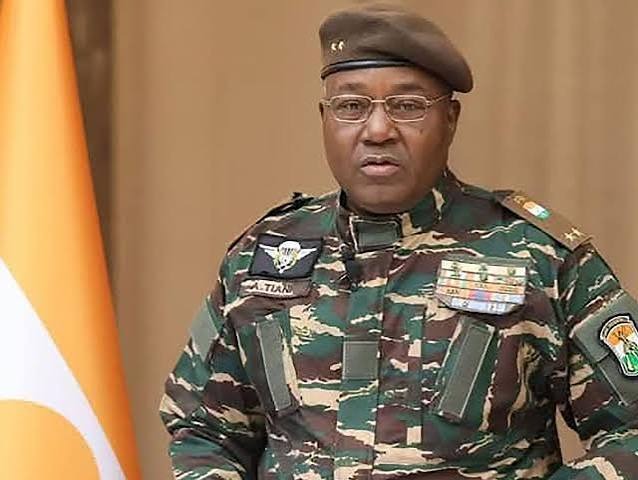
When Niger’s military leadership abruptly froze fuel prices, it wasn’t merely an economic decision—it was a public admission of weakness. General Abdourahamane Tiani’s reversal of a planned fuel price hike didn’t just ease motorists’ financial burden; it exposed the crumbling foundations of the National Council for the Safeguard of the Homeland (CNSP). What began as an attempt to curb rising living costs has transformed into a stark revelation: a regime once deemed unassailable is now scrambling to maintain its grip on power.
How a policy reversal exposed the junta’s vulnerabilities
The Council of Ministers’ announcement of the fuel price freeze wasn’t just a victory for drivers—it was a stinging rebuke to the very officials tasked with managing the country’s economy. The Ministry of Oil and the Reform Council had advocated for a “rational” price adjustment to alleviate fiscal strain, but the junta leader sided with public protests instead. This decision didn’t just contradict policy proposals; it betrayed key advisors and underscored the regime’s eroding authority, revealing deep internal fractures within the CNSP.
This wasn’t merely a tactical retreat—it was a capitulation under pressure. After months of projecting unwavering control, the military council now governs through crisis management, its actions dictated less by strategic foresight and more by the escalating specter of uncontrollable unrest. The unrest in August served as a stark reminder: no amount of defiant rhetoric can conceal the growing instability threatening the regime’s legitimacy.
Why artificial price controls backfire in Niger’s economy
Locking in fuel prices at the pump didn’t bring economic stability—it created a breeding ground for new distortions. With official rates frozen, informal markets flourish, turning supply shortages into lucrative opportunities for smugglers and black-market operators. Meanwhile, promised reforms, such as comprehensive oil sector audits, have vanished into thin air. Instead, the Petroleum Ministry and state-owned fuel distributor SONIDEP have undergone a reshuffle, where loyalty to the regime now outweighs professional competence.
These actions aren’t about governance; they’re about survival. By tightening its grip on critical economic levers, the military council isn’t strengthening Niger—it’s desperately clinging to power at the expense of the nation’s future.
Short-term fixes deepen Niger’s long-term economic crisis
The fuel price freeze is a symptom of a far larger problem. Niger’s economy isn’t struggling with fuel subsidies in isolation—it’s trapped in a spiral of declining agricultural productivity, intensifying security threats, and unsustainable government expenditure. By dodging difficult decisions, the military leadership isn’t resolving issues; it’s postponing them, ensuring that the next economic crisis will hit with even greater force.
The regime’s reluctance to address systemic weaknesses—whether in energy infrastructure or broader governance—indicates this crisis isn’t temporary. It marks the beginning of a prolonged unraveling, one that could destabilize Niger for decades to come.
What the fuel price freeze reveals about political desperation
The decision to freeze fuel prices was never about fuel—it was about the junta’s terror of losing authority. Every concession the regime makes now—whether on pricing, wages, or subsidies—further erodes its credibility. The question isn’t if Niger’s military leadership will face a reckoning; it’s how much longer it can delay the inevitable fallout.