
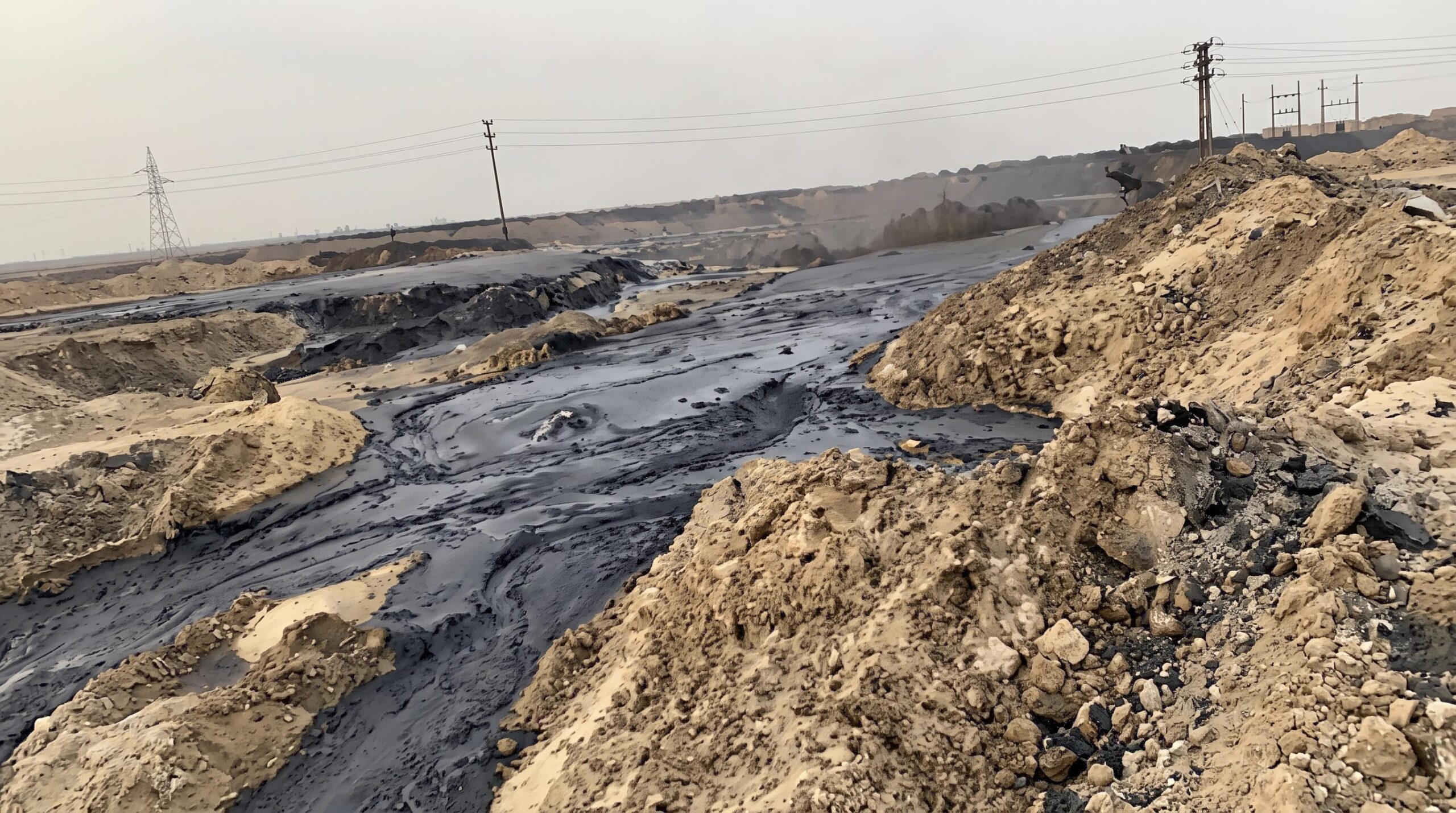
An ecological time bomb explodes in the Agadem oil basin
As flames and toxic fumes shot from the Goumeri W-8 well on that September night, the illusion of Niger’s oil-driven economic sovereignty began to crack. The blowout at the Agadem oil field, operated by China National Petroleum Corporation’s local subsidiary, has turned a strategic partnership into a potential environmental liability that could derail the military junta’s grand development narrative.
From economic promise to ecological peril
The Goumeri W-8 incident wasn’t just another industrial accident—it has become a stress test for Niger’s balancing act between economic aspirations and environmental survival. While state authorities had portrayed oil as the cornerstone of post-coup recovery, the uncontrolled petroleum release has now exposed the fragility of both infrastructure and oversight. With the Sahel’s fragile ecosystems already straining under climate pressures, a prolonged contamination event could devastate water supplies, pasturelands, and local livelihoods that depend on them.
Early assessments indicate that the eruption ejected crude oil and natural gas up to 15 meters into the air, while hydrocarbons have already begun seeping across the facility grounds. Though emergency crews report only two injured workers so far, the real danger lies in what cannot be immediately seen: toxic infiltration into subterranean aquifers, long-term soil degradation, and atmospheric contamination that threatens both workers and nearby communities.
Who bears responsibility when the well runs wild?
The incident has thrust the relationship between Niger’s military government and its Chinese partners into sharper focus. While the junta pursues economic sovereignty by reasserting control over resource revenues, it remains critically dependent on CNPC’s technology, capital, and export infrastructure. This dependence creates a paradox: how can Niamey insist on stricter operational oversight when it lacks the technical expertise to enforce such standards independently?
Questions linger about contract transparency, emergency response protocols, and liability frameworks. The April 2024 financing agreement—valued at $400 million—placed vast financial resources in the hands of foreign operators without commensurate public disclosure of environmental safeguards. With no independent monitoring mechanisms in place, citizens are left to trust official statements rather than verified data.
When political tensions collide with industrial safety
The diplomatic rift between Niamey and Beijing’s energy representatives adds another layer of risk. The expulsion of three Chinese petroleum officials in March 2025 demonstrated that commercial disputes can escalate swiftly, potentially overshadowing the imperative of industrial safety. The current crisis forces an uncomfortable reckoning: can environmental protection survive the friction between sovereign ambitions and foreign investment obligations?
What the junta must do to salvage credibility
The Nigerien military leadership finds itself at a defining crossroads. To reclaim public trust, it must move beyond rhetorical sovereignty and deliver measurable action. This includes:
- Publishing the full technical findings from the Goumeri W-8 investigation without delay
- Commissioning independent environmental audits of soil and water systems around the Agadem field
- Establishing transparent monitoring stations with real-time data accessible to affected communities
- Creating a publicly verifiable compensation fund for any verified environmental or health damages
Crucially, Niamey must demonstrate that accountability will be enforced without political interference—whether the responsible party is CNPC Niamey Petroleum S.A., a subcontractor, or a government oversight body.
Can black gold become the nation’s curse?
The Agadem incident is more than an engineering failure; it is a cautionary tale about resource extraction without commensurate safeguards. With oil revenues supposed to fund schools, hospitals, and infrastructure, the environmental cost of mismanagement could far outweigh the benefits. Local farmers and herders—those with the least political voice—face the highest risks, yet stand to gain the least from petroleum profits.
The junta’s commitment to economic sovereignty will be judged not by how loudly it asserts independence from foreign investors, but by how effectively it protects its people and ecosystems from the consequences of unchecked industrial activity. For Niger, true energy sovereignty means ensuring that black gold does not turn into ecological poison.
Until transparent oversight, robust enforcement, and genuine accountability become non-negotiable, the promise of oil wealth will remain shadowed by the specter of irreversible environmental harm.