
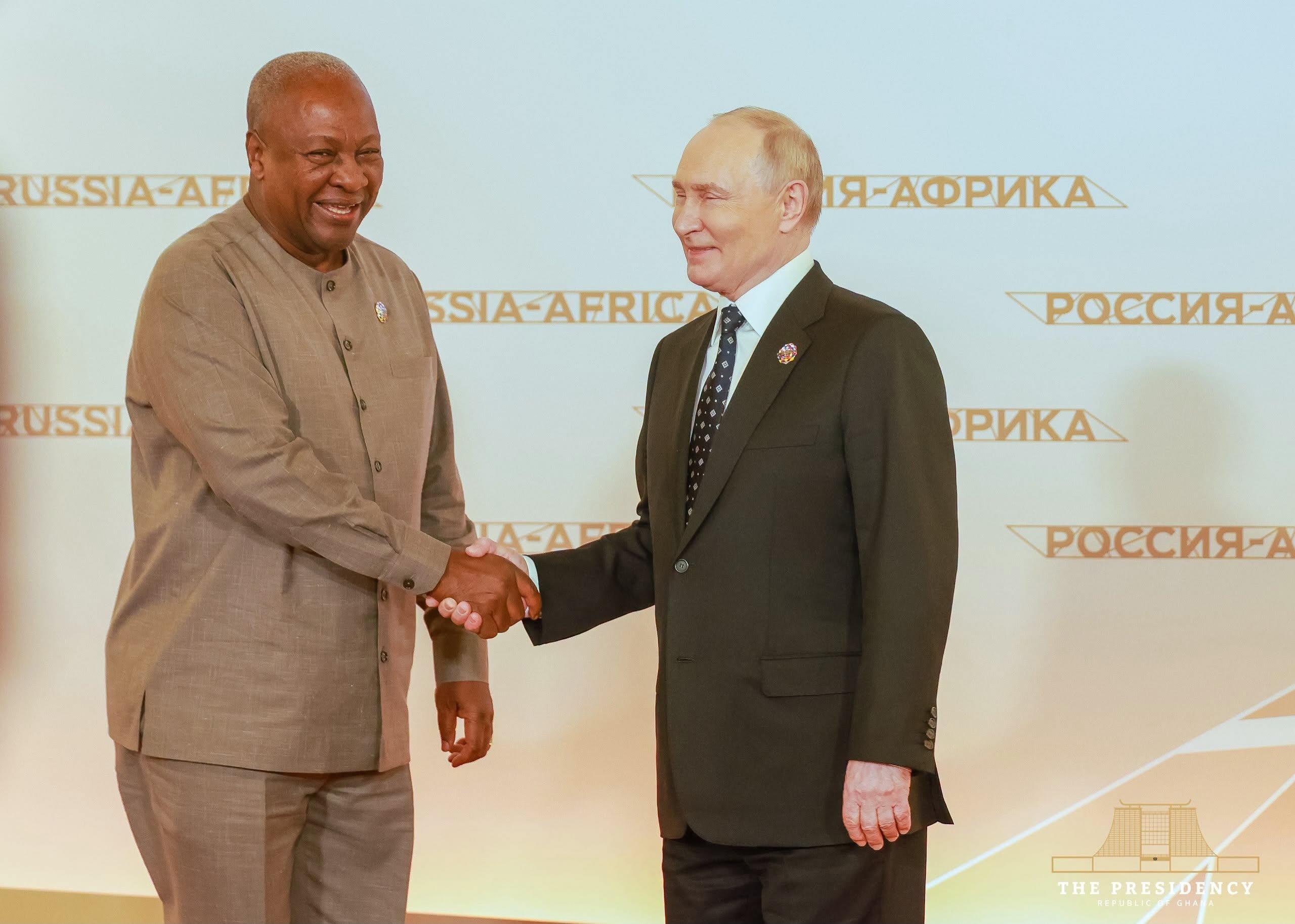
As African governments scramble to secure the repatriation of their fallen citizens from Ukraine, one question burns at the heart of this humanitarian crisis: How far will Moscow exploit the desperation of the continent’s youth to fuel its war machine? What began as whispers of foreign fighters has exploded into a stark reality—hundreds of African men, lured by empty promises of wealth and citizenship, now lie buried in the trenches of a conflict that isn’t theirs to fight. With Ghana alone mourning at least 62 dead and dozens missing, the scale of this modern-day human trafficking operation demands urgent answers.
From broken promises to shattered lives: the human cost of Russia’s mercenary pipeline
Behind the polished diplomatic statements and staged summits lies a sordid truth: the Russian state—or entities operating under its shadow—has perfected a predatory recruitment system that preys on Africa’s most vulnerable. Young students, unemployed fathers, and displaced families are targeted with deceptive contracts, inflated salaries, and hollow offers of European passports. Once in Ukraine, they are deployed not as soldiers, but as disposable assets, sent into battle zones where survival is measured in days.
The deception runs deeper than broken contracts. Many recruits arrive only to discover they’ve been sold a lie—no citizenship, no savings, only a one-way ticket to a war they never chose. The irony? Their lives are valued in dollars by Moscow but discarded with deadening ease. This isn’t just mercenary work; it’s a calculated form of human exploitation on an industrial scale.
Silence as complicity: why the kremlin turned a blind eye to africa’s sacrifice
For months, the Kremlin maintained a chilling silence as African bodies filled Ukrainian graves. When diplomats from Accra finally secured a pledge from Moscow to halt recruitment, it wasn’t out of ethical concern—it was an admission of involvement. To negotiate the withdrawal of your own citizens from a foreign war is to concede that your nation’s youth were treated as currency in a geopolitical ledger.
The hypocrisy is staggering. While Russian officials posture on the global stage about protecting sovereignty and human dignity, their proxies in Africa operate with impunity, trafficking lives like contraband. Every missing recruit, every unclaimed body, is a stain on the conscience of a system that values strategic gain over human life.
The colonial hangover: when Africa’s vulnerability becomes someone else’s weapon
The parallels to history are impossible to ignore. Like the colonial conscripts forced into wars not of their making, today’s African fighters are corralled into a system where their poverty—and not their will—dictates their fate. But this isn’t 19th-century imperialism. It’s a new form of predation: a war economy that thrives on human desperation.
Students who cannot afford tuition. Fathers who cannot feed their families. Young men with no legal recourse and no safety net. To Moscow, they are not people. They are expendable units in a wider conflict—a conflict where Africa’s pain is monetized, and its youth are traded like commodities.
A continent at the crossroads: can Africa break the cycle of exploitation?
The real tragedy is not just what Russia has done—but why it was able to do it at all. Africa’s youth are not fleeing to war; they are fleeing the collapse of opportunity. Corrupt governance, economic stagnation, and a lack of sovereignty have left millions with no choice but to seek survival abroad. Until African nations address the root causes of this desperation—through equitable governance, economic reform, and investment in human capital—the door will remain open for foreign powers to exploit its people.
This is not merely a crisis of war. It is a crisis of dignity. And unless Africa reclaims its narrative, the cycle of sacrifice will continue—with its sons and daughters as the currency of empire.