
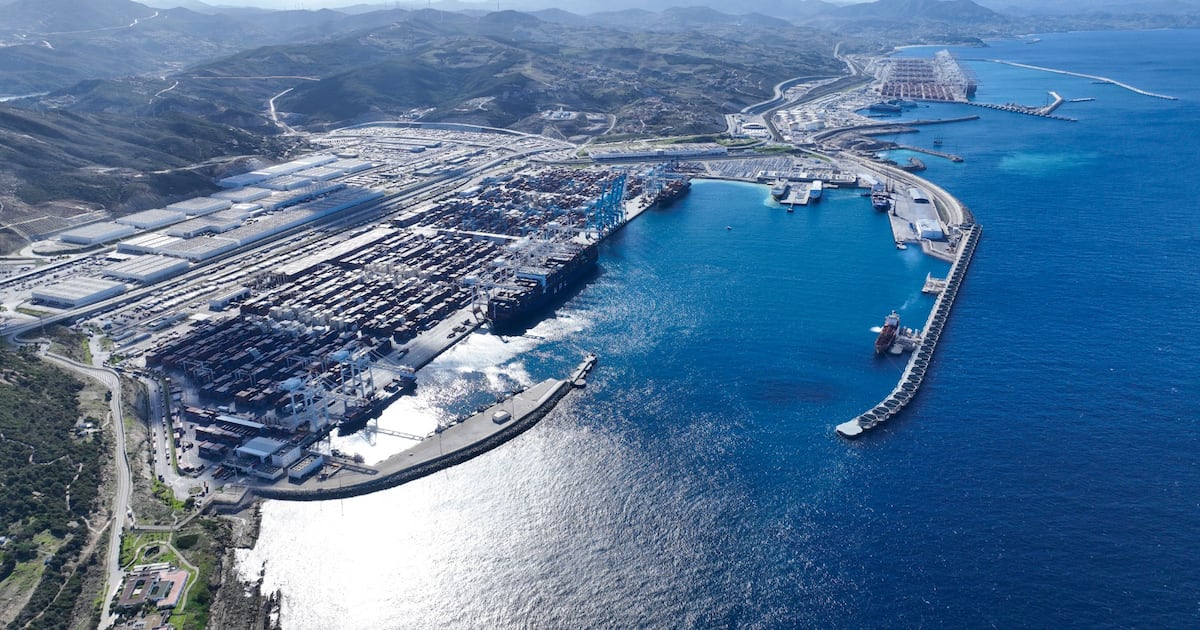
The Moroccan port system is drawing significant attention from major international players. The Japan International Cooperation Agency (JICA) has solidified its commitment to the Kingdom by outlining a detailed timeline for a comprehensive port development project. Following a scheduled tender in July 2026, a specialized mission will be active from September 2, 2026, to February 26, 2027, to evaluate the growth potential of Tanger Med, the Casablanca port, and the nation’s entire maritime network.
Strategic gateways for international trade
The focus remains heavily on Tanger Med and Casablanca, which serve as the primary pillars of the Moroccan maritime economy. These two hubs are central to global logistics networks, currently managing approximately 98% of the country’s external trade. Their strategic positioning makes them vital links in the supply chains connecting Africa, Europe, and other major global markets.
The involvement of JICA goes beyond simple technical advice. The agency aims to support a port ecosystem that is prepared to drive the next phase of the Kingdom’s economic expansion. This involves upgrading infrastructure, accelerating digitalization, and ensuring a transition toward decarbonization, all while cementing Morocco‘s status as a bridge between two continents.
Adapting to the future of global commerce
Modern port competitiveness is no longer measured solely by physical capacity. Today, success depends on integrating environmental standards and cutting-edge technology. The upcoming mission will conduct rigorous traffic forecasting, review expansion projects, and analyze current management structures to ensure they align with the evolving demands of international shipping.
Experts will also examine the institutional framework and the responsibilities of various stakeholders. A key priority is assessing how well land and sea connections link Moroccan ports to European and African markets. This comprehensive review is designed to create a development strategy that harmonizes investment with governance and trade trends.
Digitalization and environmental sustainability
The green transition is a cornerstone of this initiative. The mission will evaluate existing policies aimed at reducing carbon footprints and improving energy efficiency across port facilities. In tandem, a deep dive into digital operations is planned. This includes exploring:
- The implementation of “Just in Time” vessel arrivals to optimize scheduling.
- Enhanced cybersecurity measures for port management systems.
- Digital tools that contribute to achieving carbon neutrality.
By combining technological innovation with operational efficiency, the goal is to reduce vessel wait times and streamline the entire logistics process.
A new era of technological partnership with Japan
The collaboration also features a strong forward-looking component. JICA is tasked with identifying specific areas where Japanese expertise can add the most value. This includes a list of potential projects that could utilize Japanese equipment, software, and advanced technologies to optimize port operations and speed up the decarbonization process.
A pilot phase will allow for the testing of certain solutions before they are formally presented to Moroccan authorities. The study will bring together specialists in port planning, digital transformation, and cybersecurity. While this remains a preparatory project, it highlights the immense interest global partners have in Morocco‘s ability to adapt to the shifting landscape of world trade and its role as a premier logistics hub.