
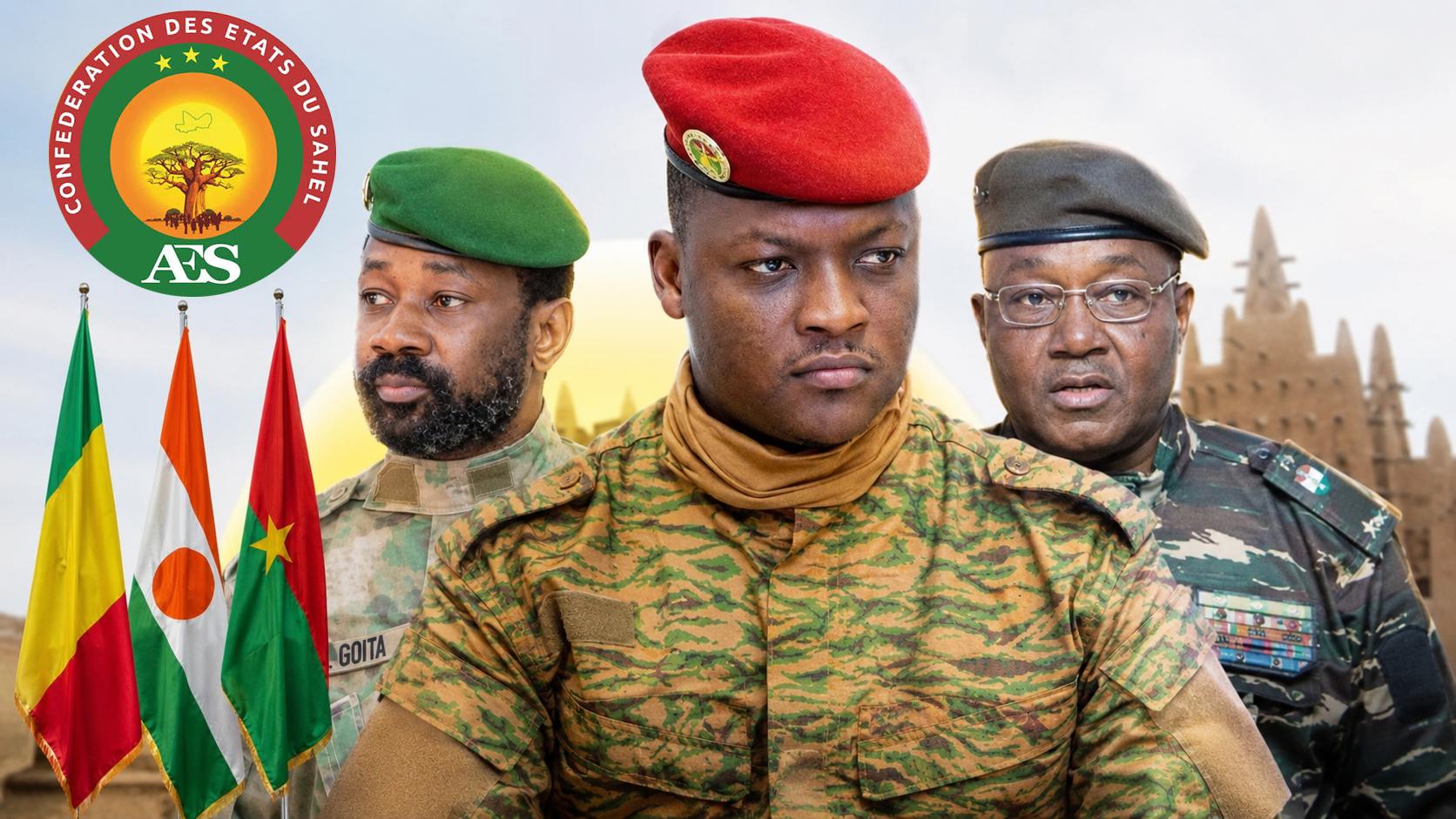
The Alliance of Sahel States faces delays in implementing joint defense promises
Nearly a year after the Alliance of Sahel States (AES) was formally established by Mali, Burkina Faso, and Niger, skepticism grows over its ability to fulfill its core commitment: mutual defense. Recent surges in insurgent violence and large-scale jihadist assaults across Niger have exposed the alliance’s struggle to deploy a unified military response, leaving local populations and regional observers questioning its operational effectiveness.
Niger’s security crisis highlights structural limitations
The AES’s inability to mount a visible joint intervention in Niger stems from deep-rooted challenges that extend beyond political will. At the heart of the issue lies the overwhelming strain on each member state’s national armed forces, which are already stretched thin by persistent security threats on their own territories.
Mali continues to battle armed groups in its northern and central regions, particularly the Permanent Strategic Framework and affiliates linked to Al-Qaeda. Burkina Faso faces relentless attacks that have left over half its land under constant threat. Meanwhile, Niger must simultaneously secure the volatile Liptako-Gourma tri-border zone—shared with Mali and Burkina Faso—against the Support Group for Islam and Muslims (GSIM) and the Islamic State in the Greater Sahara (EIGS), while also monitoring the Lake Chad basin. With no strategic reserves available, none of the three nations can spare troops to support a neighbor without compromising their own defense priorities.
Logistical hurdles block the path to joint operations
Despite political agreements formalized during AES summits, transforming the alliance’s vision into actionable military force encounters significant logistical barriers. Key challenges include:
- Unified command and interoperability: Harmonizing different military doctrines and establishing a cohesive command structure demands advanced coordination, secure communication networks, and time—resources that remain scarce in the Sahel.
- Air support and intelligence gaps: Projecting troops across vast distances requires robust aerial transport, armored logistics, and real-time reconnaissance capabilities. Current assets—limited and in high demand—are predominantly deployed to address domestic threats rather than cross-border missions.
Shifting alliances reshape regional defense strategies
The withdrawal of conventional external partners, including former French forces and the UN’s MINUSMA mission, has compelled the three juntas to seek alternative security partnerships. Russia’s Africa Corps, operating through bilateral agreements, has emerged as a key supporter. However, these paramilitary units are structured to assist individual states rather than conduct large-scale, transnational operations under the AES banner.
A different approach to cooperation: intelligence and border operations
Rather than pursuing sweeping troop deployments, the AES leadership emphasizes coordinated intelligence-sharing and targeted border operations. Military chiefs in the Sahel argue that effective defense may not require visible, large-scale interventions. Instead, they prioritize seamless communication and rapid, localized responses within the tri-border region—where each nation acts from its own territory while synchronizing efforts with allies.
This strategy reflects a pragmatic adaptation to the region’s harsh realities, where operational flexibility often outweighs symbolic gestures of unity.