
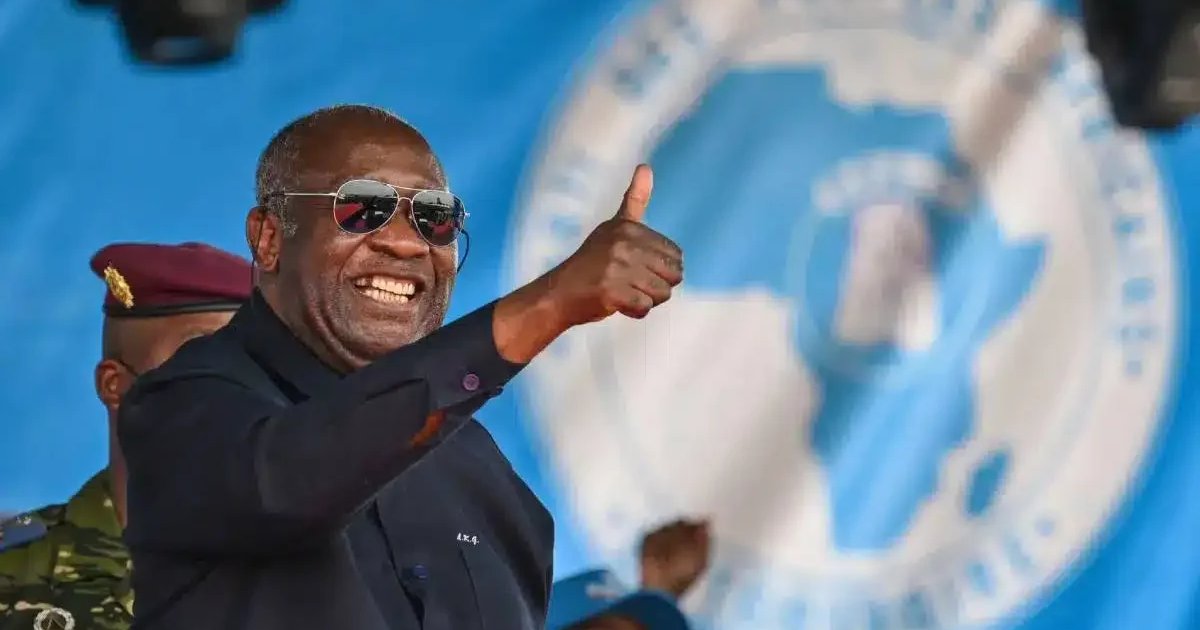
Following his re-election as president of the Parti des Peuples Africains-Côte d’Ivoire (PPA-CI) in May 2026, Laurent Gbagbo has introduced a significant restructuring of the party’s leadership. The announcement, made on August 10, outlines a new collegial governance model aimed at distributing strategic responsibilities while keeping the former head of state at the center of decision-making.
Five key figures appointed to pivotal roles
Laurent Gbagbo has appointed five prominent members to high-level positions within the party. This initiative reflects his commitment to sharing leadership duties while maintaining overall control of the PPA-CI’s direction.
The leadership reshuffle includes:
- Assoa Adou, who assumes the role of first vice-president, responsible for ensuring adherence to the party’s political line;
- Hubert Oulaye, named second vice-president, tasked with overseeing party operations and presiding over the central committee meetings;
- Emmanuel Ackah, a former ambassador, who takes on the position of third vice-president, focusing on party engagement and mobilization;
- Justin Katinan Koné, who retains his role in guiding the party’s general policy;
- Sébastien Dano Djédjé, appointed as chairman of the Strategic and Political Council, a new body designed to supervise the party’s activities.
Shared governance without dilution of power
While emphasizing a more collaborative leadership approach, Laurent Gbagbo made it clear that the reorganization does not dilute his authority. In a statement, he described the new structure as a system built on complementarity and unified action.
Political analysts note that the five appointees will primarily handle day-to-day management, while the core decision-making power remains firmly in Gbagbo’s hands. This move is seen as part of the PPA-CI’s broader effort to modernize its internal operations following the founder’s re-election.
The specifics of how these leaders will coordinate their responsibilities have yet to be detailed, leaving observers to assess the long-term impact of this governance shift on the party’s future trajectory.