

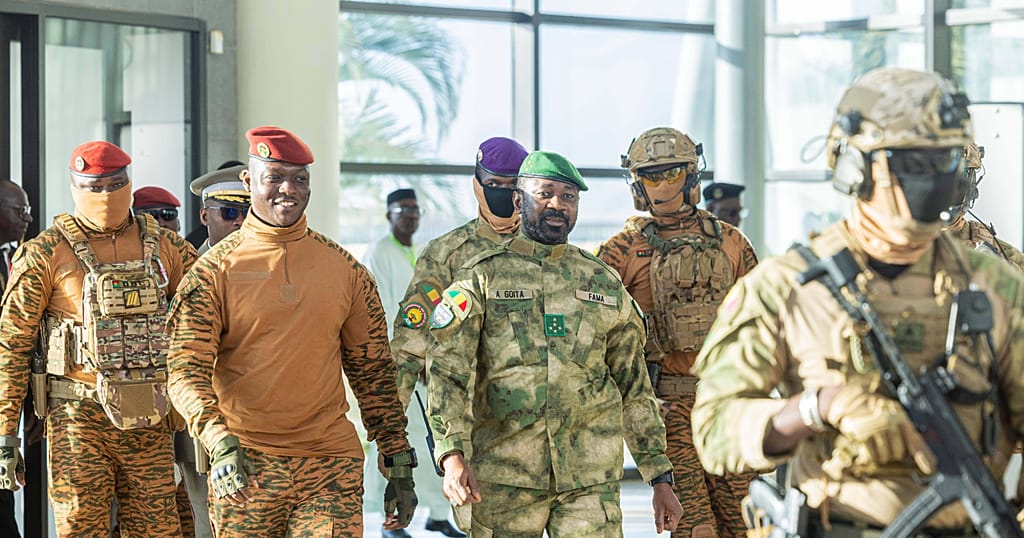
The capital city of Mali, Bamako, remains under tense calm following the violent incidents that unfolded on April 25. The Malian Armed Forces have since shed light on a meticulously planned assassination attempt targeting the nation’s top transitional leadership, including President Assimi Goïta. Authorities allege that multiple explosive-laden vehicles were deployed during the operation, with one specifically aimed at the presidential residence.
During a press briefing, the military spokesperson, Commander Djibrila Maiga, confirmed the gravity of the situation: This carefully orchestrated plot was designed to take the lives of our leaders, he declared. The attack resulted in the tragic loss of General Sadio Camara, widely regarded as the second most influential figure in the current regime.
Burkina Faso has taken decisive action in response to the unfolding events, suspending the broadcast of TV5Monde within its borders. The Superior Council of Communication cited the French channel’s alleged role in propagating terrorist propaganda and undermining Mali’s institutional stability. The decision has sparked mixed reactions among residents of Ouagadougou, with some applauding the move while others criticize it as an overreach against international media.
Flore Guigma, a local resident, supports the suspension, stating: We cannot allow channels that glorify terrorism to operate freely in Burkina Faso. Conversely, Serge Théophile Bancé voices concerns over perceived media bias: There’s an undeniable condescension in how these outlets frame Sahelian nations. I’ve stopped watching them altogether.
International watchdogs like Reporters Without Borders have also weighed in, condemning the ban as an unjustified restriction on press freedom. The move adds to a growing list of suspended foreign media outlets in Burkina Faso, including Le Monde, LCI, France 24, RFI, BBC News, and Voice of America, following the ascension of Captain Ibrahim Traoré’s administration.