

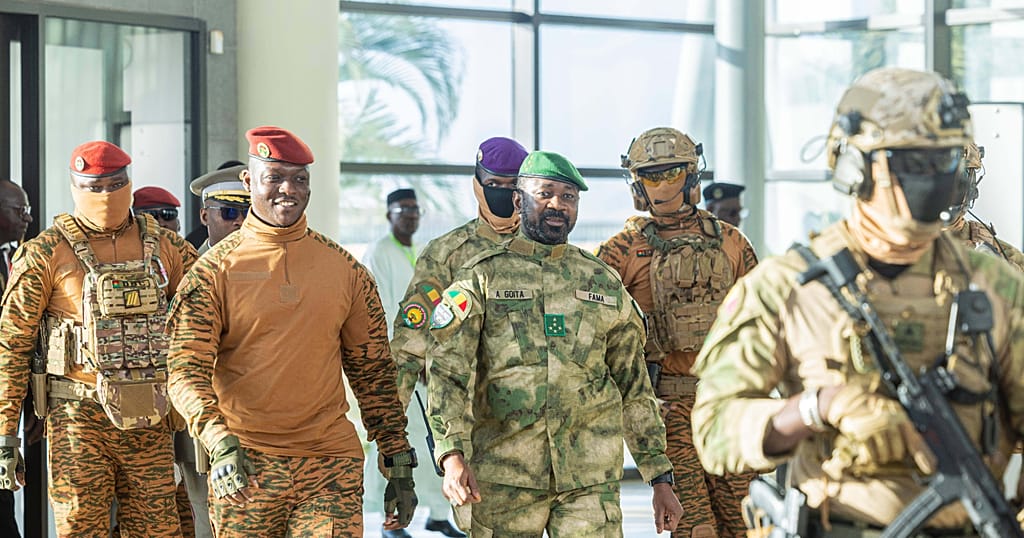
In Bamako, a fragile calm persists following the violent incidents of April 25, which claimed the life of General Sadio Camara, a key figure in the military leadership. The Malian Armed Forces have since provided a detailed account of the events, describing what they describe as a meticulously planned assassination attempt targeting the nation’s top transitional authorities—most notably President Assimi Goïta.
Military authorities reveal details of the attack
The armed forces disclosed that multiple explosive-laden vehicles, acting as moving bombs, were deployed during the assault. One of these vehicles reportedly approached the presidential residence with the clear intent of detonating near the head of state. Commandant Djibrila Maiga, Deputy Director of Public Relations for the Malian Armed Forces, confirmed the gravity of the situation, stating, This orchestrated plot was designed to endanger the lives of our leaders.
Burkina Faso halts TV5Monde amid media controversy
The recent coverage of these developments has triggered a swift response from authorities in Burkina Faso. The nation’s High Council for Communication (CSC) announced the suspension of TV5Monde, accusing the French-language broadcaster of spreading terrorist propaganda and undermining Mali’s transitional institutions. The decision reflects growing unease across the region regarding foreign media narratives perceived as inflammatory or destabilizing.
Public reaction in Ouagadougou
Opinions in Ouagadougou remain divided. Some residents support the ban, arguing that channels promoting extremism should not be allowed to broadcast freely. We cannot permit those who glorify terrorism to air their content in Burkina Faso, said Flore Guigma, a local resident. Others criticize what they view as a pattern of biased or condescending reporting on Sahelian nations. These outlets often frame our realities with a tone of superiority, which is unacceptable, noted Serge Théophile Bancé, a media observer.
Meanwhile, Reporters Without Borders has raised concerns over the lack of transparency surrounding the decision. The organization warned that such measures further restrict press freedom in Burkina Faso, a country already grappling with multiple international media suspensions since Captain Ibrahim Traoré assumed leadership. Outlets like Le Monde, LCI, France 24, RFI, BBC News, and Voice of America have faced similar restrictions in recent months.