
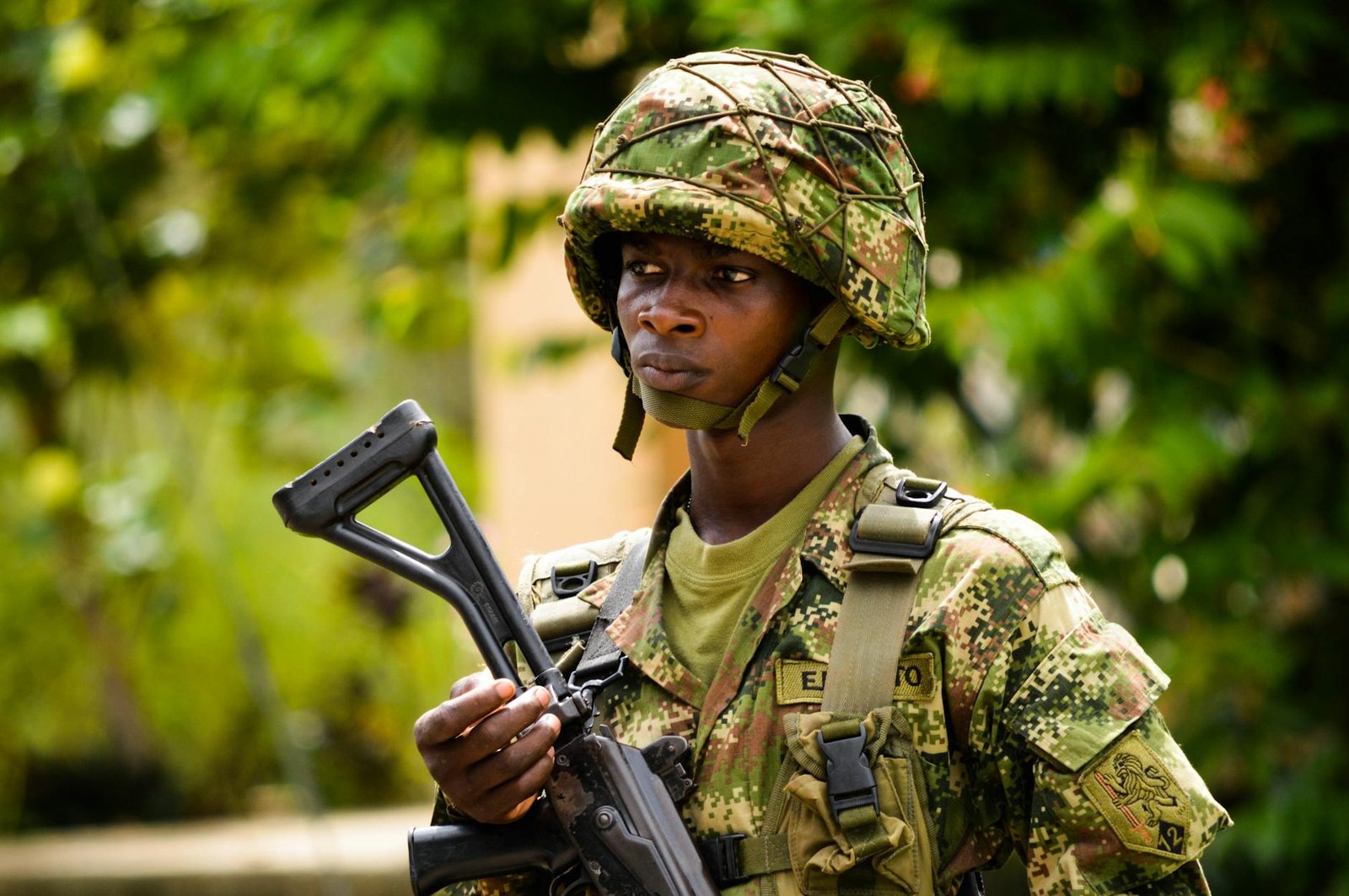
The Malian authorities have escalated their counterterrorism strategy by unveiling a groundbreaking financial incentive program. Announced over national television, the initiative offers monetary rewards to anyone providing actionable intelligence leading to the capture or elimination of key figures in both the Jama’at Nusrat al-Islam wal Muslimin (JNIM), an Al-Qaeda-linked coalition, and the Azawad Liberation Front (FLA). This public commitment underscores the transitional government’s determination to enlist civilian support in a conflict the military alone has struggled to contain.
Public bounties target top commanders of Mali’s most dangerous armed groups
The Malian government’s latest move specifically names two armed factions it deems the gravest threats to national sovereignty. JNIM, led by Iyad Ag Ghaly, has waged relentless attacks across central Sahel nations for years, targeting military outposts and critical supply routes. Meanwhile, the FLA, rooted in historic Tuareg separatist movements, continues to challenge Bamako’s authority in northern regions such as Kidal, Gao, and Timbuktu.
By implementing this reward system, Mali joins a well-established counterterrorism tactic used globally. Though common in Western security doctrines, such measures remain uncommon in West Africa, signaling a strategic shift. Bamako is acknowledging that conventional military operations alone have failed to curb insurgent activities, and is now prioritizing grassroots intelligence as a force multiplier.
Warfare realities force Bamako to rethink security tactics
The announcement arrives amid worsening security conditions. Following the UN Multidimensional Integrated Stabilization Mission in Mali (MINUSMA) withdrawal in late 2023 and the departure of French forces, the Malian Armed Forces (FAMA) now rely heavily on Russian-backed support, including personnel from the Africa Corps—successors to the Wagner Group. Despite reasserting control over Kidal in November 2023, jihadist attacks have surged in 2024 and 2025, striking both the capital’s periphery and its center.
This reward initiative reflects a pragmatic tactical adjustment. Decapitating militant networks through targeted strikes on leadership requires precise local intelligence—information only civilians can reliably provide. However, the program carries inherent risks. Informants face potential reprisals, and the absence of clear payment terms or amounts may undermine participation. Authorities have yet to disclose reward amounts or disbursement procedures, leaving key operational details unresolved.
Regional unity or isolated gamble? The Sahel’s evolving security landscape
Mali’s decision aligns with the strategic vision of the Alliance of Sahel States (AES), formed in 2024 with Burkina Faso and Niger. The three nations share a unified threat assessment and are gradually integrating their military operations. A coordinated cross-border reward system could amplify intelligence-sharing and disrupt militant movements that routinely exploit porous borders to regroup and resupply.
Yet funding remains a critical question. With external aid suspended and regional sanctions—particularly from the Economic Community of West African States (ECOWAS)—limiting financial flexibility, Bamako must identify internal revenue streams or secure external partners to sustain the initiative. While Russia, Mali’s primary military ally, could play a role, no official confirmation of co-financing has been issued.
Beyond operational gains, this announcement carries political significance. By broadcasting the policy on state television, the transitional government seeks to foster public engagement in the war effort and bolster its legitimacy. With elections repeatedly delayed since the 2020 and 2021 coups, maintaining domestic support is essential. The program’s success will hinge on whether the FAMA can deliver tangible results—capturing or neutralizing the named leaders—within the coming months.