

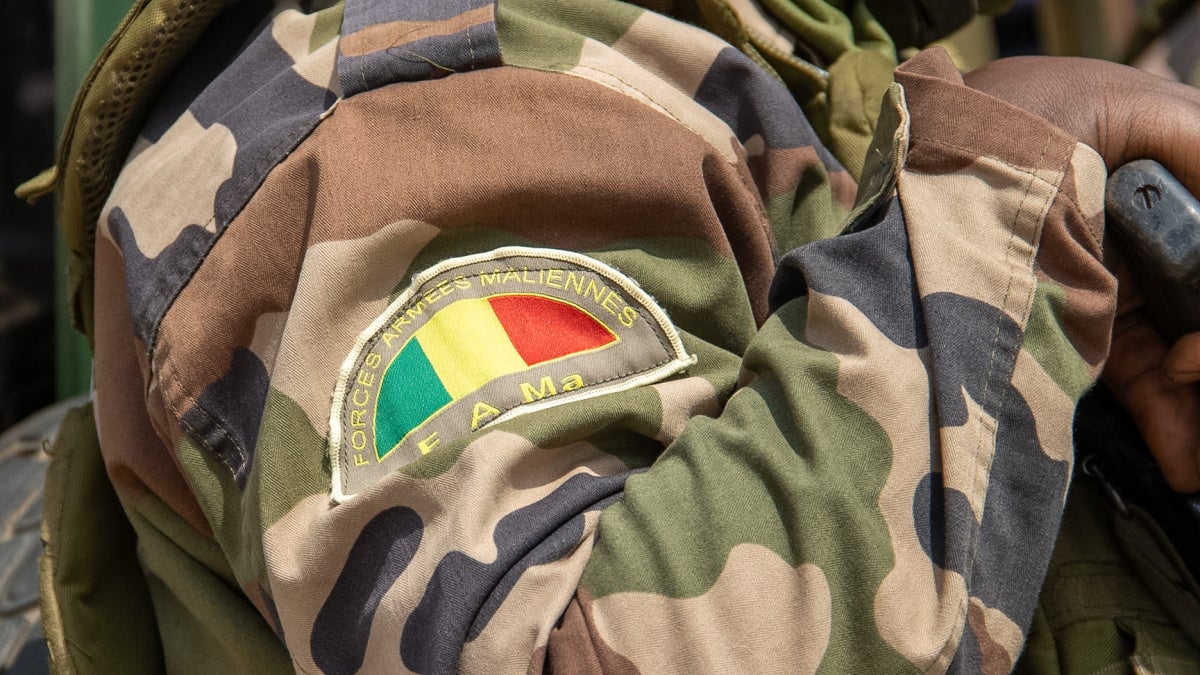
Massacres reported in Ségou after army operations against Islamist groups
The Malian Armed Forces (FAMA) and allied militias, including traditional hunters known as dozos, stand accused of killing at least 31 civilians and burning homes in two villages of the conflict-stricken Ségou region during operations conducted on October 2 and 13, according to multiple testimonies.
On October 2, soldiers and dozos—a predominantly Bambara ethnic militia engaged in counterinsurgency operations for over a decade—allegedly executed at least 21 men and set fire to 10 homes in Kamona village. Eyewitnesses reported that the Jama’at Nusrat al-Islam wa al-Muslimeen (JNIM), an Al-Qaeda-linked group controlling parts of central Mali, had warned residents of the approaching forces, prompting many to flee. Those unable to escape were allegedly gathered and shot. No clashes between the army and JNIM fighters were reported before or during the attack.
A survivor described the scene: “Those who couldn’t flee were rounded up and executed.” The bodies of 17 men were later found beneath a tree, along with four others north of Kamona. Homes belonging to Fulani ethnic residents were among those burned. A 40-year-old herder recounted finding the bodies: “They had been riddled with bullets. One man’s head was completely crushed. Spent casings littered the ground.”
On October 13, soldiers and dozos struck again in Balle, a village approximately 55 kilometers from Kamona. According to witnesses, forces arrived in five pickup trucks and 30 motorcycles, forcing some residents to flee. A 24-year-old man recalled: “I didn’t run at first, but when I saw soldiers going door-to-door and beating men, I hid. From my hiding place, I heard gunshots.”
Ten civilians, including a 55-year-old woman, were killed. Their bodies were found strewn across the village, some with broken limbs. The attackers also stole over 100 cattle. A 33-year-old man described the aftermath: “They lay side by side, shot to pieces. Some had broken legs and arms.”
The Malian army claimed the October 13 operation in Balle was an “offensive reconnaissance mission” that resulted in the “neutralization of around 20 terrorists” and the seizure of military equipment. However, residents disputed this, stating that Balle had been under JNIM control for years. “We pay zakat every year,” one villager said. “Disputes are settled by the jihadists. There are no soldiers, gendarmes, or police here. The army doesn’t distinguish between us and them.”
The escalation follows a recent JNIM siege on Bamako, which has disrupted fuel supplies and forced the military junta to temporarily close all schools and universities in the capital. Since 2012, Mali has grappled with armed conflicts involving Islamist groups, resulting in thousands of civilian deaths and displacing over 400,000 people.
The reported abuses highlight a pattern of violence involving state forces and allied militias in counterinsurgency campaigns. International humanitarian law prohibits attacks on civilians, extrajudicial killings, and cruel treatment. Those responsible for war crimes may face prosecution, even as Mali prepares to withdraw from the International Criminal Court (ICC) in 2026.
As the conflict intensifies, calls for accountability grow louder. Analysts stress the need for credible investigations and fair trials to address the cycle of violence plaguing central Mali.
Key takeaways
- At least 31 civilians killed in two villages in Ségou region on October 2 and 13.
- Witnesses accuse soldiers and dozos of summary executions and arson.
- JNIM controls much of central Mali; residents deny collaboration with the group.
- Military claims operations targeted terrorists; locals dispute this account.
- Conflict has displaced hundreds of thousands since 2012.