

Mali’s russian military gamble: africa corps faces mounting setbacks

Bamako’s substantial investment in its military partnership with Russia, aimed at reasserting territorial control, is increasingly yielding mixed outcomes. Following the documented failures of the Wagner Group, its official successor, the Africa Corps, is now adapting its strategy in the face of ongoing defeats. Concurrently, numerous organizations and media outlets are reporting escalating acts of brutality, raising serious questions about both the military effectiveness and the human cost of this strategic alliance.
Africa Corps reevaluates strategy after successive reversals
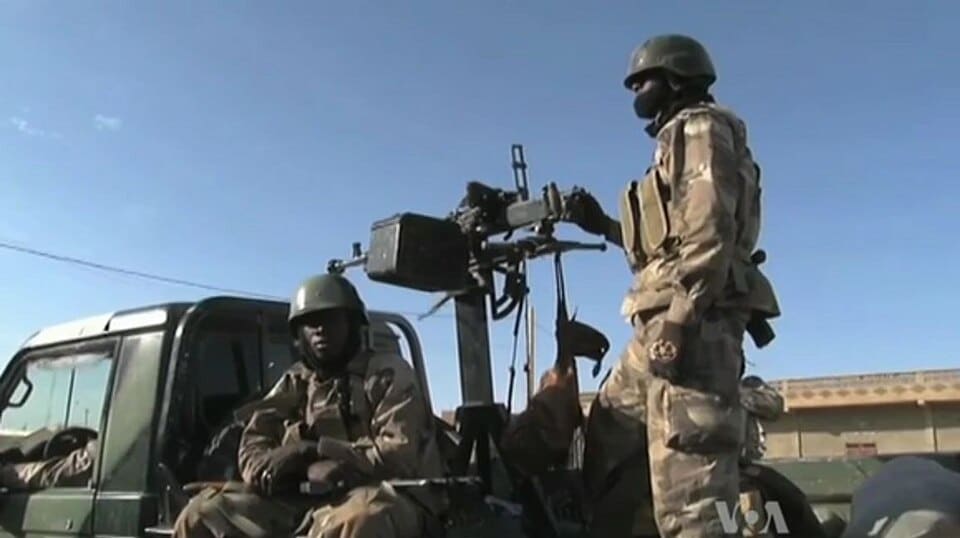
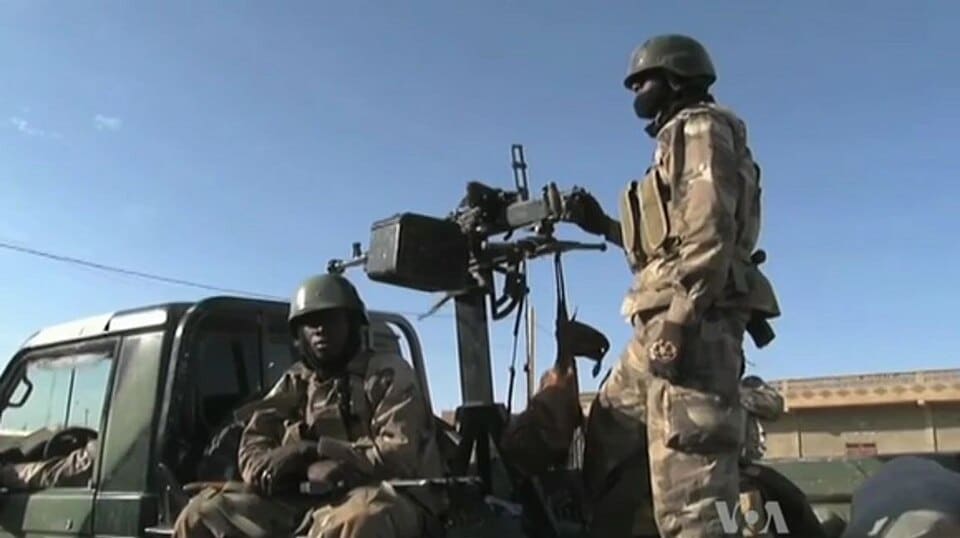
One year after officially taking over from the Wagner Group in Mali, the Africa Corps, a unit directly overseen by the Russian Ministry of Defense, finds itself compelled to modify its operational approach. An analysis suggests that Russian personnel are progressively withdrawing from certain positions in the northern regions of the country. This redeployment aims to concentrate their resources on safeguarding the capital, Bamako, key infrastructure, and the Malian military junta.
This strategic shift is not accidental. For several months, Malian forces and their Russian partners have been subjected to a continuous barrage of attacks. These assaults are primarily orchestrated by jihadist factions aligned with the GSIM, as well as fighters from the Azawad Liberation Front. Notably, coordinated offensives during the spring of 2026 resulted in the withdrawal of Russo-Malian forces from Kidal, a development widely seen as a significant setback in the campaign to reclaim the country’s northern territories.
Bamako’s initial stated objective was unambiguous. After severing ties with its Western allies, Malian authorities opted to rely on Russian mercenaries to swiftly re-establish their control across the nation. This partnership, however, represents a substantial financial burden for a country with limited budgetary resources. While the precise terms of the agreements remain undisclosed, various international investigations estimate that Russian security services cost the Malian authorities tens of millions of dollars annually. This expenditure is further supplemented by mining concessions and other economic benefits granted to the Russian partners.
Despite these considerable investments, the military outcomes have largely fallen short of expectations. Even during the Wagner era, several operations against armed groups ended in failure. Since its transformation into the Africa Corps, the situation appears to have shown no significant improvement. On the contrary, Russian forces now seem more focused on securing the junta’s power base than on conducting large-scale offensive operations against jihadist groups, according to recent analyses.
Escalating brutality yields no military gains
Amidst the challenges faced on the ground, reports of violence against civilian populations are growing in frequency.
On June 24, 2026, a disturbing incident unfolded near Timbuktu. Local sources indicate that Malian soldiers, accompanied by Africa Corps personnel, allegedly killed several individuals, with one victim’s dismembered body reportedly arranged in the shape of a swastika. Additionally, two other civilians on a motorcycle were reportedly killed by a drone strike during the same operation. The Malian army has refrained from commenting on these grave accusations.
Just days prior, local accounts also detailed the deaths of at least twelve civilians during a joint operation by the Malian Armed Forces and the Africa Corps in the Timbuktu region. Eyewitnesses described summary executions and the looting of the local market, occurring without any prior engagement with armed groups.
These recent allegations contribute to an extensive record of atrocities previously attributed to both Wagner and then the Africa Corps by various human rights organizations and international journalistic investigations. Such reports fuel criticism that the operational approach relies more on terror tactics than on a coherent counter-insurgency strategy.
Crucially, this increasing brutality does not appear to be translating into desired military successes. Armed groups consistently demonstrate their capability to launch coordinated assaults on multiple towns, disrupt critical logistical routes, and force Russo-Malian forces into repeated redeployments. The retreat from several northern strongholds implicitly acknowledges the significant difficulties encountered on the battlefield.
By now concentrating its personnel on defending Bamako and providing air support, rather than maintaining a permanent presence in the most contested regions, the Africa Corps indirectly concedes that its initial strategy has failed to bring lasting stability to Mali. For Malian authorities, who made the significant political and financial decision to abandon former international partners in favor of Russia, this strategic shift raises a fundamental question. After several years of cooperation and substantial investment, the promises of a swift return to security largely remain unfulfilled, while accusations of abuses continue to tarnish the image of this military alliance. The tactical adjustments announced by Moscow therefore signal less of a surge in power and more of an attempt to mitigate the repercussions of a campaign whose outcomes remain far from the ambitions declared at the time of Wagner’s arrival, and subsequently, its successor, the Africa Corps.